Even the most careful knitters can lose their place in a pattern. Whether you’re working cables, lace, or counting rows, stitch markers act like tiny signposts that guide your way. The best stitch markers make knitting easier, neater, and far less stressful. Let’s look at the different types, how to use them, and which ones might suit your projects best.
What Are Stitch Markers?
Stitch markers are small tools used to mark positions in your knitting. They slide onto your needle or clip onto your stitches to help track repeats, pattern changes, or the beginning of a round.
Why Use Stitch Markers?
- Prevent mistakes when following complex patterns.
- Save time by eliminating the need to constantly recount stitches.
- Make projects more enjoyable by reducing frustration.
Types of Stitch Markers
Ring Markers
Simple circles that slip over your needle. Perfect for marking pattern repeats.
Locking Stitch Markers
These open and close like tiny safety pins. Ideal for crochet or marking individual stitches.
Split Ring Markers
Slide onto stitches easily without needing to open or close. Great for quick placement.
Bulb Safety Pins
Budget-friendly and versatile. They can double as progress keepers.
Magnetic Markers
Some modern markers attach magnetically, helping you track your place with style.
Best Stitch Markers for Beginners
Plastic ring markers are the easiest to start with. They’re affordable, simple to use, and widely available.
Best Stitch Markers for Complex Projects
For lace or cable patterns, locking markers give you flexibility. They let you place markers anywhere without disturbing your stitches.
Materials and Styles
- Plastic: Lightweight and colorful.
- Metal: Durable and smooth.
- Handmade: Many crafters create decorative markers with beads or charms.
How to Use Stitch Markers Effectively
- Place markers at the start of each repeat.
- Use different colors to signify different pattern elements.
- Move markers up as you knit to keep alignment accurate.
Tips for Keeping Track with Markers
- Use progress keepers to track rows.
- Assign specific colors for increases, decreases, or section changes.
- Keep a small tin or pouch to avoid losing markers.
DIY Stitch Markers
Don’t have store-bought ones? Use safety pins, small rubber bands, or paper clips as temporary markers.
Images for Guidance
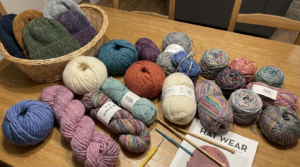
Alt text: Assorted knitting stitch markers in different colors and shapes.
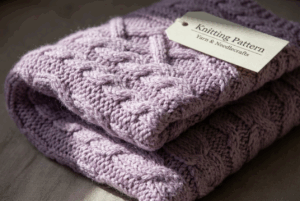
Alt text: Knitting project with colorful stitch markers keeping pattern on track.
Conclusion
The best stitch markers aren’t just accessories—they’re essential tools that keep your knitting smooth and stress-free. From simple rings to locking markers, there’s a style for every project and preference. By choosing the right markers, you’ll spend less time fixing mistakes and more time enjoying the rhythm of your stitches.
FAQ
1. What are the best stitch markers for beginners?
Simple plastic ring markers are best because they’re affordable and easy to use.
2. Can I use household items as stitch markers?
Yes. Safety pins, rubber bands, or paper clips work in a pinch.
3. What markers are best for lace knitting?
Locking stitch markers help you mark exact stitches without disrupting delicate lace.
4. Do stitch markers work for crochet?
Yes, especially locking or split-ring markers that attach directly to stitches.
5. How do I keep from losing stitch markers?
Store them in a small container or pouch to keep them organized and handy.