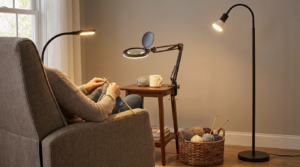
Knitting should be a calming, creative escape, not a source of pain. Yet many crafters find that after hours of stitches, their wrists feel stiff, sore, or strained. The good news? The best wrist braces for knitters can provide the support you need to enjoy your craft comfortably and for longer stretches.
Why Knitters Experience Wrist Pain
Knitting requires repeated motions that place stress on small joints in your hands and wrists. Over time, these movements can lead to conditions like tendonitis, carpal tunnel syndrome, or general strain. Even if you don’t have a diagnosed condition, long knitting sessions may leave you with discomfort that makes you reluctant to pick up your needles again.
How Wrist Braces Help Knitters
A wrist brace supports your wrist in a neutral position, reducing strain on tendons and joints. By limiting extreme movements and absorbing some of the repetitive stress, braces let you knit longer without pain. They also help during recovery, offering gentle compression and stability when your wrists need rest.
Qualities of the Best Wrist Braces for Knitters
Adjustable Support and Fit
Not every knitter’s hand is the same size. Look for Velcro straps or adjustable bands that let you customize tightness and support.
Lightweight and Breathable Material
Nobody wants sweaty hands while knitting. Choose breathable fabrics like mesh or cotton blends that keep your skin cool.
Thumb and Joint Stabilization
Some knitters experience pain near the thumb joint. Braces with thumb loops or stabilizers add protection right where you need it most.
Ease of Movement While Knitting
A good brace supports your wrist without limiting your fingers. Fingerless designs are popular because they leave your hands free to manipulate yarn and needles.
Types of Wrist Braces Knitters Can Use
Compression Sleeves
Flexible, snug-fitting sleeves that provide gentle pressure. Ideal for mild strain and prevention.
Rigid Splint Braces
Offer firm support with built-in splints. Best for flare-ups or when you need strong immobilization.
Fingerless Wrist Wraps
Allow full movement of fingers while stabilizing the wrist. Perfect for knitters who want support without losing dexterity.
Nighttime Support Braces
Keep your wrist in a neutral position while you sleep, preventing strain from awkward nighttime positions.
Best Wrist Braces for Knitters: Top Recommendations
Copper-Infused Compression Braces
These provide gentle compression and warmth, which can reduce stiffness during long knitting sessions.
Ergonomic Thumb Stabilizers
Great if your pain is concentrated at the thumb base. They add targeted support without immobilizing your whole hand.
Breathable Fabric Wrist Supports
Made with lightweight, airy materials, these braces keep your hands comfortable during hours of crafting.
Slim Profile Braces for Daily Use
These braces are low-profile, fitting under sleeves and allowing you to knit discreetly without bulky support.
Choosing Between Soft vs. Firm Braces
Soft braces like sleeves are excellent for prevention and mild discomfort. Firm splint braces are better when pain is moderate to severe. Many knitters find it helpful to own one of each, switching depending on how their wrists feel that day.
How to Use Wrist Braces While Knitting
During Long Knitting Sessions
Wear a light compression or fingerless brace while knitting. It reduces strain without interfering with movement.
After Knitting for Recovery
If your wrists ache afterward, a firmer brace with splints can provide support and rest. Some knitters even wear night braces to prevent stiffness by morning.
Other Ways to Reduce Joint Strain
Take Frequent Breaks
Every 30–45 minutes, set your needles down and stretch your fingers.
Stretching and Hand Exercises
Simple stretches, like flexing your fingers or rolling your wrists, help maintain flexibility.
Using Ergonomic Knitting Needles
Lightweight or cushioned needles reduce the pressure on your hands and wrists.
Improving Posture While Knitting
Sit with good back support, keep shoulders relaxed, and position your work at a comfortable height.
Common Mistakes to Avoid with Wrist Braces
- Wearing a brace that’s too tight, cutting off circulation
- Using the wrong brace for your needs (rigid braces during light activity can cause frustration)
- Ignoring pain signals and continuing to knit without rest
Tips for Maintaining Your Wrist Brace
- Hand wash your brace regularly to keep it fresh
- Replace worn-out braces that have lost elasticity or cushioning
- Rotate between two braces if you knit daily, so one can rest while the other is in use
Conclusion: Knitting Comfortably with Support
The best wrist braces for knitters are more than just accessories—they’re tools that protect your hands and keep your creativity flowing. With the right brace, you can knit for longer, reduce pain, and enjoy your craft without worrying about joint strain. Combined with good posture, frequent breaks, and ergonomic needles, a brace may be the simple solution you’ve been looking for.
FAQ
1. Do wrist braces really help knitters?
Yes, they provide support, reduce strain, and allow knitters to work longer with less pain.
2. Can I knit while wearing a wrist brace?
Absolutely. Choose a flexible, fingerless brace that allows free movement.
3. Should I wear a brace all the time?
No. Use it during knitting sessions or recovery. Muscles also need free movement.
4. Which brace is best for arthritis?
Compression braces and thumb stabilizers are often most comfortable for arthritis-related pain.
5. How long should I wear a wrist brace after knitting?
Until discomfort eases. Many knitters use them for an hour or two, or overnight for recovery.