A perfect knitting project bag makes knitting feel effortless. From the moment you pick it up, everything feels smoother. Yarn stays untangled. Tools stay visible. Projects stay protected. Without the right bag, however, knitting can quickly feel chaotic.
Most knitters have experienced it. Needles poke through fabric. Yarn escapes and rolls across the floor. Patterns disappear when you need them most. Although these frustrations seem small, they interrupt focus and enjoyment.
A project bag is not just storage. Instead, it is part of your workflow. When it works well, knitting flows naturally. When it fails, even simple projects feel harder than they should.
Choosing the right bag is not about trends or labels. It is about function, comfort, and how you actually knit. Once those align, everything changes.
Why a Knitting Project Bag Matters More Than You Think
Knitting is portable by nature. Projects move from room to room, house to house, and sometimes city to city. Because of that, storage must travel well.
A well-chosen bag protects yarn from dirt, pets, moisture, and accidental damage. At the same time, it keeps tools from getting lost or damaged. As a result, setup time shortens and frustration fades.
Moreover, organization improves consistency. When projects are easy to pick up and put down, knitting happens more often. Momentum builds naturally.
The right bag supports habits. Over time, those habits shape skill and confidence.
Understanding Your Knitting Habits First
Before choosing any bag, look honestly at how you knit. Do you knit mostly at home, or are you always on the move? Do you work on one project at a time, or several? Are your projects small accessories or large garments?
Your answers guide every decision that follows. A bag that works perfectly for travel may feel unnecessary at home. Meanwhile, a soft open tote may fail completely on the go.
The perfect knitting project bag fits real behavior, not wishful thinking. When expectations match reality, satisfaction follows.
Choosing the Right Size for Your Projects
Size matters more than many knitters expect. A bag that is too small creates tension and clutter. One that is too large swallows tools and yarn.
Small project bags work well for socks, hats, and shawls. Medium-sized bags handle sweaters and baby blankets comfortably. Large bags suit bulky projects or multiple works in progress.
Ideally, your bag should hold the project with room to spare. Yarn tends to expand as projects grow.
Choosing slightly bigger than current needs prevents future frustration.
Interior Design and Yarn Protection
The inside of the bag matters more than the outside. Smooth linings protect yarn fibers from snagging. Structured sides prevent collapse.
Depth also matters. Shallow bags allow yarn to jump out. Deeper bags keep everything contained.
Some designs include yarn guides or reinforced openings. These allow yarn to feed smoothly while knitting.
The best interior layout supports movement without resistance.
Organizing Tools Without Overcomplicating
Organization keeps knitting efficient. However, too much structure becomes overwhelming.
Look for a balance. Interior pockets for scissors, stitch markers, and tape measures help. Exterior pockets work well for patterns or notebooks.
At the same time, avoid bags with excessive compartments. Over-organization slows you down.
The goal is intuitive access. If you can reach what you need without looking, the design works.
Closure Styles and Project Security
Closures determine how secure your project remains during movement. Zippers offer the most protection, especially for travel. Drawstrings provide flexibility but less security. Magnetic snaps allow quick access.
Open bags work well at home. However, they risk spills outside controlled spaces.
Consider where you knit most often. Then choose a closure that matches that environment.
Security should support convenience, not replace it.
Material Choices for Durability and Comfort
Bag material affects durability, weight, and feel. Fabric bags feel soft and flexible. Canvas adds strength without much weight. Leather offers durability and timeless style. Synthetic materials resist moisture effectively.
Each material suits different needs. Outdoor knitters benefit from water resistance. Indoor knitters may prioritize softness.
Weight matters too. Heavy bags strain shoulders over time.
Choose materials that support your comfort, not just appearance.
Comfortable Carrying Options for Daily Use
How you carry your bag affects how often you use it. Short handles suit quick movement. Shoulder straps free hands. Crossbody designs distribute weight evenly.
If you walk or travel frequently, comfort becomes critical. Straps should not dig into skin or slip constantly.
A comfortable bag invites you to bring knitting everywhere.
Ease of carrying encourages consistency.
Project Bags for Knitting on the Go
Travel knitting introduces new challenges. Movement increases risk of spills and damage. Structure becomes essential.
Zippered bags protect projects in transit. Firm sides prevent compression in luggage. Compact shapes fit under seats or into backpacks.
For knitters who travel often, these features matter greatly.
The right travel bag reduces stress and protects progress.
Managing Multiple Knitting Projects Together
Some knitters always juggle multiple projects. That requires separation.
Look for bags with removable pouches, internal dividers, or separate compartments. These prevent yarn tangling and confusion.
Without separation, tools migrate and yarn mixes unpredictably.
A bag designed for multiple projects preserves clarity and focus.
Style and Personal Expression
While function leads, style still matters. Bags reflect personality and taste.
Some knitters prefer minimalist designs. Others enjoy bold colors or handmade details.
When you love how a bag looks, you use it more often. That emotional connection matters.
Style should enhance function, not replace it.
Durability and Long-Term Reliability
A project bag experiences daily use. Durability determines value.
Strong stitching, reinforced seams, and quality hardware matter. Weak zippers fail quickly. Thin fabric tears under weight.
A reliable bag lasts years, not months.
Long-term reliability saves money and frustration.
Weather Resistance and Yarn Safety
Moisture damages yarn. Rain, spills, and humidity pose risks.
Water-resistant materials protect against accidents. Structured designs prevent compression damage.
If you knit outdoors or commute regularly, weather protection becomes essential.
Protection preserves hours of work.
Budget-Friendly vs Premium Knitting Bags
Price varies widely. However, cost does not always equal quality.
Many affordable bags perform well if thoughtfully designed. Premium bags often offer better materials or craftsmanship.
The key is value. Pay for features you will use.
Avoid paying for branding alone.
Handmade Project Bags Versus Store-Bought
Handmade bags offer customization and charm. Store-bought bags provide tested designs and consistency.
Handmade options allow personalization. Store-bought options reduce guesswork.
Both paths can lead to satisfaction.
Choose based on preference and practical needs.
Cleaning and Maintenance Considerations
Project bags get dirty. Yarn sheds. Coffee spills happen.
Washable fabric bags simplify maintenance. Leather requires more care.
Choose a bag you feel comfortable cleaning.
Ease of maintenance supports long-term use.
Matching Bag Design to Yarn Types
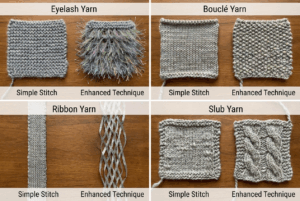
Different yarns behave differently. Bulky yarn needs space. Fine yarn needs protection.
Smooth linings prevent snagging delicate fibers. Sturdy sides support heavier yarns.
A versatile bag adapts to yarn variety.
Flexibility encourages experimentation.
Avoiding Common Project Bag Mistakes
Choosing style over function often leads to regret. Ignoring size requirements creates clutter.
Buying too small limits projects. Buying too large reduces organization.
Balanced choices create success.
Awareness prevents wasted purchases.
How the Right Bag Improves Knitting Flow
Organization reduces setup time. Reduced setup encourages consistency.
When tools stay visible, interruptions decrease. Focus improves.
A supportive bag maintains rhythm and flow.
Flow enhances enjoyment.
Building a Small Collection of Knitting Bags
Many knitters own several bags. Different projects need different solutions.
Small bags suit accessories. Medium bags suit garments. Large bags suit blankets.
Having options increases flexibility.
Variety supports creativity.
Knowing When to Replace or Upgrade
Over time, needs change. Skills grow. Projects evolve.
If a bag no longer supports your workflow, upgrade.
Replacing tools is part of growth.
The right bag evolves with your craft.
Confidence Comes From Being Prepared
Preparedness builds confidence. When everything is ready, knitting feels easier.
Confidence encourages exploration and learning.
A supportive bag quietly contributes to that confidence.
Preparation fuels creativity.
Conclusion
Choosing the perfect knitting project bag is about alignment, not excess. When size, structure, comfort, and organization match your knitting habits, everything improves. Yarn stays safe. Tools stay accessible. Knitting becomes calmer and more enjoyable. Whether you knit at home or on the move, the right bag supports your rhythm without demanding attention. In the end, the perfect knitting project bag does more than carry supplies. It protects your time, your focus, and your love for knitting.
FAQ
- What size knitting project bag should I choose?
Choose a bag that fits your current project comfortably with room to grow. - Are zippered bags better for knitting projects?
They offer more security, especially for travel or busy environments. - Can one bag work for all knitting projects?
Some bags can, but many knitters prefer different sizes for different projects. - What material is best for a knitting project bag?
Durable fabrics or canvas work well, while leather offers longevity and style. - When should I replace my project bag?
Replace it when organization fails, durability declines, or your needs change.