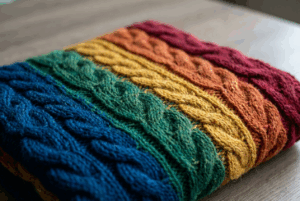
When you start a new project, one of the biggest decisions is yarn choice. Beyond fiber type and weight, the yarn’s texture has a huge impact on the look and feel of your knitting. Should you go for sleek, smooth strands that highlight every stitch—or opt for fluffy, textured fibers that add volume and softness? Understanding which is the best yarn for knitting different projects will help you create pieces that are beautiful, durable, and fun to make.
Why Yarn Texture Matters
Texture affects everything from stitch definition to knitting speed. Smooth yarns reveal every detail of your stitches, while textured yarns add dimension but may hide complex designs. Choosing wisely ensures your final piece matches your vision.
What Is Smooth Yarn?
Properties of Smooth Yarn
- Even surface with little fuzz
- Tightly spun fibers
- Often silky or sleek to the touch
Benefits of Smooth Yarn
- Excellent stitch definition
- Great for lace, cables, and detailed patterns
- Easy to unravel if you make mistakes
Drawbacks of Smooth Yarn
- May feel slippery on some needles
- Shows mistakes clearly
- Can lack the cozy softness of textured yarns
What Is Textured Yarn?
Properties of Textured Yarn
- Fluffy, fuzzy, or irregular surface
- Includes boucle, mohair, tweed, and novelty yarns
Benefits of Textured Yarn
- Adds warmth and softness
- Creates visual interest without complex stitches
- Perfect for simple patterns that need flair
Drawbacks of Textured Yarn
- Hides stitch definition
- Harder to unravel (especially mohair or boucle)
- Can be tricky for beginners to work with
Best Yarn for Knitting Different Projects
Sweaters and Cardigans
Smooth yarns highlight cables and lacework, while textured yarns give sweaters extra warmth and coziness.
Scarves and Shawls
Smooth yarn is ideal for lace shawls. Textured yarn creates fluffy scarves without much stitch detail.
Hats and Accessories
Smooth yarn works well for fitted beanies or patterned mittens. Textured yarn adds softness and volume to winter hats and cowls.
Baby Clothes and Blankets
Smooth yarn in cotton or blends provides softness and easy care. Textured yarns can be too fuzzy for baby items unless blended safely.
Stitch Definition: Smooth vs Textured
If your project includes cables, lace, or stitch patterns, smooth yarn will showcase the details. Textured yarn can hide those designs but adds depth and softness that works well for plain knits.
Ease of Knitting: Which Yarn Is Friendlier for Beginners?
Smooth yarn is usually best for beginners. It’s easy to see stitches and fix mistakes. Textured yarn is more advanced—fun once you’re confident, but frustrating if you’re just starting out.
When to Experiment with Textured Yarns
Use textured yarn when:
- You want volume and softness without fancy stitches
- You’re knitting a cozy winter piece
- You want a quick project with visual flair
Combining Smooth and Textured Yarns
Mixing smooth and textured yarns in the same project creates contrast. For example, a smooth body with textured edging makes a unique, stylish garment. Just ensure the yarn weights match for even tension.
Mistakes to Avoid When Choosing Yarn
- Using textured yarn for lace or cables (the details get lost)
- Choosing smooth yarn for projects that rely on softness and fluff
- Ignoring fiber content—texture won’t fix scratchy fibers
- Forgetting to swatch before starting a project
Tips for Finding the Best Yarn for Knitting
- Match yarn to project type and stitch style
- Swatch to test drape and appearance
- Consider the recipient (babies need soft, washable yarns)
- Don’t be afraid to experiment—yarn choice is part of the creativity
Conclusion: Match Yarn to Project Needs
Choosing between smooth and textured yarn isn’t about right or wrong—it’s about matching the yarn to your project. Smooth yarns shine when you want crisp stitch definition and elegant detail. Textured yarns add warmth, softness, and instant interest. By balancing the look you want with the function you need, you’ll always pick the best yarn for knitting your next creation.
FAQ
1. Is smooth yarn better than textured yarn?
Not always—smooth yarn highlights stitches, while textured yarn adds softness and volume.
2. What’s the best yarn for beginners?
Smooth yarn is easier to work with because stitches are easier to see.
3. Can I knit lace with textured yarn?
It’s possible, but the pattern will be hard to see. Smooth yarn is best for lace.
4. Which yarn is warmer: smooth or textured?
Textured yarn tends to be warmer because it traps more air.
5. Can I mix smooth and textured yarns in one project?
Yes, but match yarn weights for even results.