Starting your knitting journey is exciting, but the wrong yarn can make it frustrating. Tangled threads, split stitches, or slippery fibers can discourage even the most determined beginner. The good news? Choosing the easiest yarn for beginners makes the learning process smooth and enjoyable. Let’s explore the best yarn types, textures, and tips for stress-free knitting.
Why Yarn Choice Matters for Beginners
Knitting is like painting—your yarn is the paint, and needles are the brushes. Using the right yarn not only makes stitches clearer but also reduces mistakes. Beginners need yarn that feels comfortable, shows stitch definition, and glides smoothly on needles without slipping.
Best Yarn Weights for Beginner Knitters
Worsted Weight Yarn
Worsted weight yarn is the most recommended for beginners. It’s thick enough to see stitches clearly, yet not too bulky.
Aran Weight Yarn
Slightly heavier than worsted, Aran weight yarn works well for scarves, hats, and simple sweaters.
Bulky Weight Yarn
Bulky yarn knits up quickly, making it great for fast projects. However, it can feel harder to control at first.
Yarn Fibers That Work Best for Beginners
Wool
Wool has natural elasticity. It stretches slightly, making stitches easier to manage. Plus, it holds shape well.
Cotton
Cotton yarn is smooth and soft but less stretchy. Beginners who prefer plant-based fibers may enjoy its crisp stitch definition.
Acrylic
Affordable and widely available, acrylic yarn is lightweight and versatile. It’s great for practice and experimenting with different stitches.
Textures to Avoid at the Start
- Fuzzy Mohair or Angora: Fibers get tangled and make it hard to see stitches.
- Slippery Silk: Beautiful but too slick for beginners.
- Novelty Yarns: Thick-thin or textured yarns are tricky until you’ve mastered the basics.
Best Yarn Colors for Learning
Light or medium colors show stitches clearly. Dark yarns hide mistakes and make it difficult to see progress. Choose soft neutrals, pastels, or bright mid-tones when starting out.
Tips for Buying Yarn as a Beginner
- Start with one or two skeins of worsted-weight yarn.
- Pick smooth, medium-light colors for practice.
- Choose affordable yarn so you don’t stress about mistakes.
- Always check the yarn label for recommended needle size.
Projects Perfect for Beginner Yarns
- Scarves in garter stitch (simple knits).
- Dishcloths using cotton yarn.
- Chunky hats or cowls with bulky yarn.
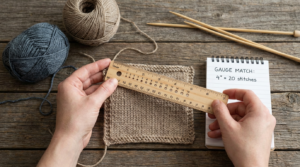
- Practice swatches to build confidence.
Images for Guidance
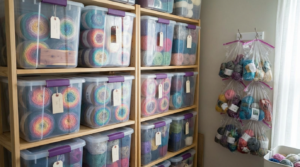
Alt text: Beginner-friendly yarn skeins in pastel colors for easy knitting.
Alt text: Knitter practicing with worsted weight yarn, the easiest yarn for beginners.
Conclusion
The easiest yarn for beginners combines comfort, clarity, and control. Worsted or Aran weight yarns in wool, cotton, or acrylic are ideal for learning. Avoid fuzzy, dark, or slippery yarns at first, and focus on smooth, light-colored options. With the right yarn in hand, your knitting journey will feel less stressful and far more rewarding.
FAQ
1. What weight yarn is easiest for beginners?
Worsted weight yarn is the easiest for beginners because it balances thickness and control.
2. Is acrylic yarn good for learning to knit?
Yes, it’s affordable, forgiving, and widely available—perfect for practicing.
3. Should beginners use cotton yarn?
Cotton works well, but it lacks stretch. Wool or acrylic may feel more forgiving.
4. What colors of yarn are best for learning?
Light or medium shades make stitches easier to see and fix.
5. What yarns should beginners avoid?
Avoid fuzzy, dark, slippery, or novelty yarns until you’ve mastered the basics.