Choosing the perfect yarn colors for knitting is both an art and a strategy. When you stand in front of a wall of yarn and feel that mix of excitement and uncertainty, you’re not alone. Every knitter—beginner or seasoned—has faced the same moment. Colors influence mood, style, emotion, and the entire feel of a finished project. That’s why learning how to select perfect yarn colors is one of the most valuable skills you can develop. With a little insight, the process becomes intuitive, enjoyable, and inspiring.
Understanding how color works allows you to knit pieces that feel intentional, balanced, and uniquely you. The goal isn’t perfection. It’s confidence. When you can look at a combination of yarn shades and immediately know whether they’ll work together, knitting becomes even more rewarding. And because color choices shape the personality of a project, it’s worth slowing down long enough to choose shades that truly reflect your vision.
How Color Theory Helps You Choose Perfect Yarn Colors
When choosing perfect yarn colors, color theory acts like your personal compass. You don’t need to become an expert. You only need the basics. Color wheels help you understand which shades naturally complement each other. Colors opposite each other create contrast, while neighbors blend effortlessly. This makes it easier to build color palettes that look cohesive rather than chaotic.
Color temperature also plays a role. Warm colors—reds, oranges, yellows—create energy and comfort. Cool colors—blues, greens, purples—create calm. When you identify the mood you want your knitting project to express, the perfect yarn colors become clearer. A warm-toned blanket feels cozy, while a cool-toned scarf feels soothing. This gives you direction before you even touch a skein.
Another important piece is value, the lightness or darkness of a color. Mixing values adds depth. A palette with only medium tones feels flat. Adding lights and darks creates dimension. So when you’re deciding on yarn colors, ask yourself whether the blend feels balanced. If not, adding one darker or lighter color often solves the problem instantly.
Using Inspiration to Guide Your Color Choices
Sometimes inspiration is the easiest way to pick perfect yarn colors. Look at nature, art, clothing, or even home decor. The world is full of ready-made color palettes that already work beautifully. A sunset can offer peaches, purples, and golds. Autumn leaves might inspire deep reds and forest greens. Your favorite shirt might be the foundation for a simple two-color hat.
Many knitters skip this step, but taking a moment to observe the colors you already love in your daily life gives you a strong starting point. You’ll rarely go wrong choosing yarn colors based on your personal style. It prevents second-guessing and keeps your project consistent with what you truly enjoy.
If you’re knitting for someone else, consider their preferences too. Look at items they wear often. People naturally gravitate toward certain colors. When you match your yarn choices to their tastes, the final piece feels more personal and appreciated.
Testing Your Yarn Colors Before You Commit
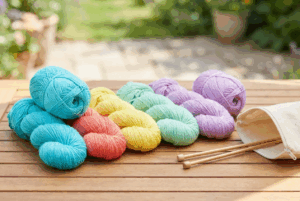
One of the most useful habits when choosing perfect yarn colors is testing them together. Instead of guessing, lay skeins side by side and evaluate the combination. This simple visual test reveals imbalances you might overlook in your mind. If the colors don’t feel harmonious, you’ll notice immediately.
Swatching is another powerful tool. A yarn shade in the skein can look very different when knitted. The stitch pattern, lighting, and texture all affect appearance. Knitting a small swatch helps you see how the colors blend or contrast in real stitches. It may feel like an extra step, but it saves time and frustration later.
Photographing your swatches or yarn side-by-side can help too. Cameras simplify colors and make it easier to see problems like too much similarity or too little contrast. If something feels off in the photo, adjusting the palette early prevents disappointment in the finished project.
Letting Texture and Fiber Content Influence Color Choices
While the focus is on perfect yarn colors, texture and fiber content deserve attention. Certain fibers absorb dye differently, creating subtle or intense color effects. Wool often shows rich, deep shades. Cotton tends to look softer and more muted. Alpaca creates a gentle halo that slightly blurs color edges.
Texture plays a role as well. Smooth yarns show crisp color changes. Fuzzy yarns soften transitions. If you’re planning stripes, colorwork, or gradients, understanding this helps you choose yarn colors that achieve the effect you want.
For example, if you want bold contrast in a geometric pattern, choose smooth yarns with clean color definition. If you want a dreamy, watercolor-like finish, choose haloed or heathered fibers. Matching yarn type to the color aesthetic produces a more successful final piece.
Choosing Colors Based on Project Type
Different projects benefit from different approaches to choosing perfect yarn colors. A cozy winter hat might look best with rich, saturated shades. A baby blanket may call for pastels or soothing neutrals. Socks designed for everyday wear often look great with playful combinations.
Think about function first. The ideal palette complements the purpose of the item. A shawl meant for special occasions should feel elegant. A casual cardigan should blend with everyday outfits. When the color matches the project’s role, the design feels complete and intentional.
It also helps to consider longevity. Trendy colors can be fun, but timeless shades keep a piece wearable for years. If you want your knitting to stand the test of time, selecting yarn colors with long-lasting appeal makes the project more versatile.
Balancing Bold and Neutral Colors
If choosing perfect yarn colors feels overwhelming, start with neutrals. Grays, creams, browns, and blacks provide stability in a palette. You can build around them with one or two bold colors. This prevents the final piece from feeling loud or overly busy.
Bold colors add personality, but too many competing tones can distract from the texture and shape of your stitches. A simple solution is the “one star, two supporters” rule. Choose one standout color you love. Then choose two softer shades to support it. This creates balance while keeping your project visually interesting.
Neutrals also help tone down vibrant variegated yarns. When working with a multi-colored skein, pairing it with one calm neutral keeps the overall design grounded and easy to wear.
Using Color Psychology to Enhance Your Projects
Perfect yarn colors aren’t just about aesthetics. They also influence how we feel. Color psychology can help you select shades that match the emotional tone of your project. Blue brings calm. Yellow creates cheer. Green suggests growth and balance. Red radiates energy and passion.
If you want your project to feel soothing, lean toward cool tones. For uplifting pieces, warm tones work beautifully. Understanding how colors impact emotions allows you to craft pieces that evoke a specific mood, whether it’s comfort, joy, or confidence.
When you choose yarn colors with intention, the final piece feels more meaningful. It becomes more than just a knitted item. It becomes an expression of emotion and purpose.
Letting Personal Preference Lead the Way
Even with all the color theories in the world, the most important factor when choosing perfect yarn colors is personal preference. Trusting your instincts takes practice, but the more you knit, the easier it becomes.
If a color combination makes you smile or sparks excitement, that’s often the best sign you’ve chosen well. Good knitting comes from enjoyment. When you work with colors you genuinely love, you stay motivated through the entire project. The experience becomes as beautiful as the finished piece.
Knitting is personal, creative, and expressive. There’s no strict rulebook. The process is more like painting with fibers, and your palette should feel authentic to you.
Conclusion
Choosing the perfect yarn colors for knitting becomes much easier when you understand how colors work together, how they influence mood, and how they reflect personal style. Rather than guessing, you can use simple techniques—like testing skeins, swatching, and drawing inspiration from real life—to make confident decisions. When you blend creativity with a little strategy, your knitting projects take on a new level of intention and beauty. The more you practice, the more naturally these skills develop, until selecting colors becomes one of the most enjoyable parts of the entire craft.
FAQ
1. How do I choose yarn colors that go well together?
Use a color wheel, test skeins side by side, and choose shades with balanced contrast. Simple combinations build confidence.
2. What colors are best for beginners?
Neutrals and soft shades are easiest because they blend well and show stitch patterns clearly.
3. How many colors should I use in one project?
Two to three colors work best for most projects. More colors can be used once you feel comfortable with combinations.
4. What if I choose colors and regret them later?
Swatching before committing prevents most issues. Testing early saves time and helps you feel more certain.
5. Do different fibers affect how yarn colors appear?
Yes. Wool shows rich colors, cotton appears softer, and alpaca creates a halo that gently blends shades.