Knitting should feel like a calming ritual, not a battle against stiff hands or an aching back. When your craft brings more discomfort than ease, something needs to change—and often, it’s not your project but your process. With the right knitting comfort tips, you can transform your stitching experience into something soothing, sustainable, and physically gentle. Whether you’re new to knitting or have been crafting for decades, small adjustments make a big difference. Let’s explore how you can create a more comfortable, pain-free rhythm that supports both your creativity and your body.
Why Knitting Comfort Matters More Than You Think
You might think discomfort is simply part of the hobby, but that idea couldn’t be further from the truth. Because knitting involves repetitive motions, your body absorbs every small habit—good or bad. Over time, poor posture, the wrong tools, or unnecessary tension can lead to fatigue, strain, or even long-term injury. Knitting comfort tips help you recognize what’s actually causing your discomfort and how to fix it before it grows into a bigger issue. As you improve your comfort, your mood lifts, your productivity increases, and you build a more enjoyable relationship with your craft. Instead of powering through the pain, you learn to work with your body—not against it.
Setting Up a Comfortable Knitting Space
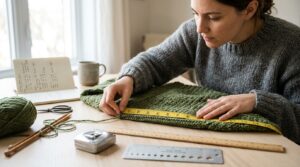
A comfortable knitting routine begins with your knitting environment. Think of it as setting the stage for creativity, because your surroundings influence everything from your posture to your focus. Choose a supportive chair and make sure your feet rest flat on the floor. Use cushions to keep your back aligned and avoid sinking too deeply into soft couches that force you to hunch.
Lighting is a major part of your knitting comfort tips toolkit as well. Adequate light reduces eye strain, which often triggers poor posture as you lean forward to see your stitches. Natural light works beautifully during the day, but adjustable LED lamps allow you to direct brightness exactly where you need it. You’ll also want your materials within easy reach, so you’re not twisting or bending repeatedly.
Another important comfort element is temperature. Cold hands stiffen quickly, slowing your movements and making it harder to maintain an easy flow. Keep a warm beverage near you or use fingerless gloves to maintain flexibility without sacrificing dexterity.
Choosing Tools That Support Comfort
Comfort improves dramatically when you use tools that work with your hands instead of against them. Needle material, size, and shape all affect how easily you move through each project. Many knitters find wooden or bamboo needles more comfortable because they’re warmer to the touch and offer a gentler grip. Metal needles glide smoothly for faster knitters, while ergonomic needles can reduce wrist strain.
Your yarn choice matters more than you might think. Softer yarns reduce friction and make your stitching feel effortless. If your yarn squeaks or sticks to the needles, that tiny annoyance adds up over time. Lightweight yarns also reduce tension, especially during large projects.
One of the smartest knitting comfort tips is to experiment with needle length. Long straight needles can feel heavy, especially during big pieces. Circular needles distribute the weight better and allow your hands and shoulders to relax. Switching needles isn’t about preference alone—it’s about preserving your comfort so you can enjoy longer, happier knitting sessions.
Improving Posture and Body Alignment
Good posture is the foundation of knitting comfort. Without it, even the best tools can only help so much. Sit tall, relax your shoulders, and keep your elbows close to your body. Avoid curling over your project, even when working on small or intricate stitches. Instead, bring your work closer to your eyes by raising your forearms slightly.
Checking in with your posture every twenty minutes can prevent strain before it starts. Because repetitive work encourages slumping, you may want to set gentle reminders or use a posture-support device to help you develop better habits.
Proper alignment also prevents unnecessary tension in your wrists and hands. Keep your wrists neutral—not bent upward or downward—and use a relaxed grip. If you hold your needles too tightly, your muscles tire faster and discomfort follows.
Finding a Relaxed Knitting Rhythm
Knitting becomes more comfortable when you allow your movements to flow instead of forcing them. Relax your hands, loosen your grip, and pay attention to your breathing. Many knitters don’t realize how much tension they carry in their bodies until they intentionally unwind.
One of the most effective knitting comfort tips is to slow down your pace. Speed often leads to tight hands and awkward angles, which cause discomfort. A smoother, more mindful rhythm keeps your hands supple and your stitches consistent. It’s less about how fast you knit and more about how comfortably you progress.
You might also experiment with different knitting styles. Continental knitting, for example, can reduce finger motion and ease strain for some people, while English knitting feels more natural for others. There is no one “correct” style—only the one that keeps your body relaxed.
Taking Breaks to Reduce Strain
Even the most comfortable setup can become stressful if you knit for hours without stopping. Breaks are not a disruption; they’re part of a healthy knitting routine. Short pauses every 20–30 minutes help your muscles reset and keep circulation flowing.
Stretching adds even more relief. Gently roll your shoulders, wiggle your fingers, and stretch your wrists in slow, circular motions. These small actions release tension and keep you feeling refreshed. You may notice your comfort improves instantly after even a quick stretch.
To make breaks easier to remember, tie them to natural pauses in your project. Finish a row, stand up, walk around, and return with fresh energy. This rhythm keeps strain from building and supports long-term comfort.
Preventing Hand and Wrist Pain
Hand and wrist pain is one of the most common frustrations among knitters. The good news is most discomfort can be reduced or prevented with small adjustments. Start by keeping a light grip on your needles. A loose, relaxed hold reduces pressure on your joints and keeps your movements smooth.
Switching between projects of different weights or needles can help you avoid repetitive strain. If you notice your hands tightening or your wrists aching, take a moment to stretch and breathe. Another helpful knitting comfort tip is to use wrist supports or compression gloves. These tools stabilize your joints and provide warmth, which eases stiffness.
Hydration also plays a role in comfort. When you’re dehydrated, your muscles and joints fatigue faster. Keep water nearby, especially during long sessions.
Managing Tension for Smoother Comfort
Tension isn’t just about how your stitches look—it also affects how your hands feel. If your tension is too tight, you’re forcing every movement, which leads to discomfort. Try relaxing your hands, adjusting your yarn hold, or changing your needle material to create a smoother flow.
Practice helps, but awareness matters even more. Notice how your hands feel as you knit. Are your fingers gripping too hard? Are your shoulders creeping upward? Checking in regularly helps you catch tension before it turns into pain.
If you consistently struggle with tight stitches, consider using a needle one size larger. This simple change eases your hands while still producing beautiful results.
Creating Long-Term Knitting Comfort Habits
Comfort doesn’t happen from one adjustment—it develops from consistent habits. Think of it as building a knitting wellness routine. Set up your space before every session, stretch regularly, choose tools that support your body, and stay mindful of your posture. Over time, these knitting comfort tips become second nature.
You don’t need to overhaul your entire routine at once. Start with one or two changes and build from there. Maybe switch to lighter needles, or focus on sitting taller. As each positive habit forms, your comfort grows. Soon, knitting becomes not only easier but something you can enjoy for longer periods without strain.
Conclusion
Knitting should bring joy, not discomfort. When you use thoughtful knitting comfort tips, you protect your body, improve your flow, and reconnect with the relaxing side of your craft. With the right space, tools, posture, and habits, knitting becomes a soothing, pain-free experience you can enjoy every day.
FAQ
1. How can I reduce wrist pain while knitting?
Loosen your grip, keep your wrists neutral, take regular breaks, and use ergonomic or lightweight needles to reduce strain.
2. What type of needles are best for comfort?
Bamboo, wooden, or ergonomic needles are gentle on the hands and often feel more comfortable than heavier metal needles.
3. How often should I take breaks while knitting?
A short break every 20–30 minutes helps reduce fatigue, improve circulation, and prevent stiffness.
4. Can stretching improve knitting comfort?
Yes, stretching your hands, wrists, shoulders, and back relieves tension and supports long-term comfort.
5. Why does posture matter so much when knitting?
Good posture keeps your spine aligned, reduces tension in your shoulders and neck, and helps you maintain a relaxed knitting rhythm.