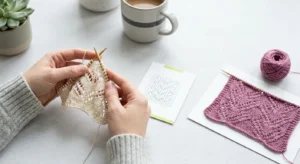
Knitting should feel relaxing, not like a race you’re trying to win. Yet many knitters push through projects so quickly that their hands, wrists, shoulders, and even their posture start to pay the price. When you learn how to adjust knitting speed intentionally, you protect your comfort, improve your consistency, and actually enjoy every stitch rather than powering through it like a timed challenge. So today, let’s explore how slowing down or speeding up with purpose can completely transform the way your knitting sessions feel.
Knitting speed isn’t just about how fast your hands move. It’s about rhythm, pressure, energy, and mindfulness. If you’ve ever felt your shoulders creeping up toward your ears while rushing through a row, or your fingers cramping because you’re gripping the needles too tightly, you’ve experienced firsthand how speed influences comfort. This is why adjusting that pace—before discomfort even begins—becomes a skill worth developing. When you learn to tune into your body and modify your pace, knitting becomes smoother, calmer, and more enjoyable from the first stitch to the bind-off.
Why Slow and Steady Helps You Stitch Longer
Once you pay attention to your speed, your knitting sessions naturally become more balanced and less stressful on your body. You stop pushing your hands to keep up with an unrealistic pace, and that shift alone can relieve strain. Many knitters discover that slowing down improves the neatness of their stitches, too. With a gentler tempo, your hands move with ease instead of tension. As a result, your gauge becomes more consistent and your stitches settle into place instead of fighting you for control. Because your hands get more time to follow their natural rhythm, your knitting time becomes more meditative and less demanding.
When you slow down deliberately, your breathing also calms. This encourages a more relaxed posture and reduces the tendency to grip your needles like they’re going to run away. Tight gripping usually happens when you knit too fast for comfort. By adjusting your pace, you remind your body that knitting is a craft, not a competition. Your muscles soften, your hands lighten, and your movements flow without force. In the end, you spend more time knitting and less time rubbing sore joints or stretching aching shoulders.
Some knitters worry that slowing their pace will make projects drag on forever. But once your knitting becomes more comfortable, something interesting happens: you actually make fewer mistakes. You stop dropping stitches, twisting purls, or miscounting rows as often. When mistakes decrease, you avoid the dreaded rip-back sessions that cost more time than a slower pace ever would. In this way, adjusting your knitting speed helps you maintain forward progress and keeps your project enjoyable from start to finish.
Understanding Your Natural Knitting Rhythm
Every knitter has a personal rhythm, regardless of experience level. Some work at a naturally quick pace, while others prefer a gentle tempo that stays consistent. Neither approach is better. What matters most is whether your current rhythm keeps your body comfortable. If you listen closely, your body will tell you when your knitting speed needs adjusting. Tingling fingers, stiff wrists, or aching shoulders often signal that your pace has become too fast or too rigid.
When you pay attention to how your hands move, you notice patterns. Sometimes your hands speed up because you’re excited about a project, which feels great until your muscles start tightening. Other times, you unknowingly increase your speed because you’re trying to finish a row before a break. These rushed moments add strain without you realizing it. Slowing down at these times prevents discomfort from building.
Your natural knitting rhythm also changes depending on the yarn and needles you use. Slippery yarn moves faster on smooth metal needles, while sticky cotton might require slower stitching so you don’t tug or tense up. Adjusting speed to match your materials keeps your hands moving comfortably without unnecessary gripping or pulling. This is why tuning into your rhythm ensures you can knit comfortably across different projects, fibers, and needle types.
With practice, your hands learn the difference between productive speed and stressful speed. You begin to notice when your pace becomes rushed and when it needs softening. This awareness gives you control and helps prevent discomfort before it starts. And over time, adjusting your knitting speed becomes second nature—just another part of your craft that keeps you enjoying knitting hour after hour.
Practical Ways to Adjust Your Knitting Speed
When you consciously shape your knitting pace, you give yourself the chance to work comfortably, no matter the project. One effective method is to focus on your rhythm instead of your speed. Think of knitting like walking. Sometimes a slow stroll feels perfect, while at other times, a brisk pace feels energizing. Your knitting speed can change the same way. Start by matching your speed to your physical comfort. If your hands feel tense, ease up. If you’re relaxed, maintain your current pace or adjust slightly until the movement feels smooth.
A helpful technique is practicing “tempo knitting.” Choose a comfortable, steady pace and continue it for a few rows. Then slightly reduce your speed and notice how your body responds. This small shift often releases tension you didn’t realize was there. When you alternate between slightly slower and slightly faster rhythms, you learn what your ideal pace feels like.
Another practical strategy is to relax your grip. Knitters often speed up unconsciously when gripping their needles too tightly. If you lighten your hold, your hands naturally settle into a gentler rhythm. This grip adjustment prevents strain and helps your movements become more fluid.
Breaks also play a role in adjusting your knitting speed. When you pause regularly, your muscles get a chance to reset. During these breaks, shake out your hands, stretch your fingers, and roll your shoulders. These simple movements refresh your comfort level and help you return to your knitting with a relaxed, steady pace.
You can also use breath control as a guide. When your breathing becomes shallow or quick, your hands usually follow the same pattern. Deep, slow breaths encourage a calm tempo. Pairing your stitches with your breath helps maintain a sustainable knitting speed that avoids discomfort.
If you knit with video tutorials or patterns that encourage fast progress, remember that you’re not required to match their pace. Those demonstrations show what’s possible, not what’s required. Adjusting to a slower speed ensures you stay comfortable and attentive.
How Posture Influences Knitting Speed and Comfort
Posture and knitting speed are more connected than you might expect. When your posture supports your body, your hands naturally fall into a pace that feels comfortable. But when your shoulders hunch or your neck tightens, your speed often increases without you realizing it, as if you’re trying to finish quickly so you can reposition yourself. Because poor posture encourages rushed, tense movements, improving your posture often helps regulate your pace.
A comfortable posture starts with proper alignment. Sit with your back supported, feet flat, and shoulders relaxed. Having your project at a comfortable height prevents you from leaning forward or arching your back. When you maintain this alignment, your body doesn’t strain to reach your work. This reduces the urge to rush and encourages a steady, relaxed knitting tempo.
Proper posture also keeps circulation flowing through your arms and hands. When your body remains open and relaxed, your hands feel freer to move at a comfortable pace. Better blood flow reduces stiffness and gives your fingers more endurance. When you feel physically supported, you’re less likely to grip too tightly or knit faster than your comfort allows.
Lighting also influences posture and speed. If your workspace is dim, you may squint or lean closer, disrupting your alignment and prompting faster, tense movements. Good lighting keeps your posture natural and helps you maintain a sustainable pace. Even small adjustments—raising a lamp or changing your chair—can help your knitting feel more comfortable and controlled.
When to Slow Down and When Speeding Up Makes Sense
Adjusting your knitting speed isn’t only about slowing down. Sometimes, speeding up improves your comfort too. For example, when knitting with very sticky yarn or using wooden needles that grab the fiber, moving too slowly can create more friction. This friction causes your hands to tense and tug. Increasing your speed slightly helps the yarn flow more easily across your needles and reduces the strain caused by drag.
Speeding up gently also helps when working on long stretches of simple stitches. If your hands feel unusually tight during slow movements, a quicker, lighter rhythm can relax them. This is similar to how walking at a natural pace feels easier than stepping very slowly and deliberately. Your hands appreciate movement that feels fluid rather than forced.
On the other hand, you should slow down when working on complex stitches, pattern changes, or techniques requiring precision. Slowing your knitting speed in these situations prevents mistakes and reduces the mental strain that often causes physical tension. You also benefit from slowing down when you notice the early signs of discomfort. Once you feel tightness in your hands or shoulders, reducing your speed can prevent that tension from turning into pain.
The real skill lies in switching between speeds intentionally. When you adjust your knitting speed based on your comfort level, you protect your hands, improve your stitches, and keep your knitting time enjoyable. This flexible approach ensures you knit comfortably for years to come.
Conclusion
Adjusting your knitting speed gives you the power to stay comfortable, consistent, and fully immersed in your craft. When you listen to your body and shift your pace with intention, knitting becomes effortless instead of exhausting. With practice, you’ll find the rhythm that keeps your hands happy and your stitches beautiful, project after project.
FAQ
1. How do I know if I’m knitting too fast?
Your body will usually tell you. If your hands tense, your shoulders lift, or you feel wrist discomfort, your speed is probably too high.
2. Does slowing down improve stitch quality?
Yes, a slower pace often leads to more consistent tension and fewer mistakes because your hands move with more control.
3. Can speeding up ever help with comfort?
Sometimes. Sticky yarn or draggy needles may feel easier to work with if you use a slightly quicker, lighter tempo.
4. How often should I take breaks while knitting?
A short break every 20–30 minutes helps your hands and shoulders reset and keeps discomfort from building.
5. Should beginners knit faster to improve?
No. Comfort and technique matter more than speed. With better form, your pace naturally improves over time.