Stepping into a yarn store can be overwhelming with the sheer variety of fibers, colors, and textures. Among the most critical factors to consider, especially when substituting yarn or designing your own projects, is yarn weight. Understanding a proper yarn weights guide helps you select the appropriate yarn for your pattern. This ensures your finished project has the correct drape, texture, and size. From delicate lace to chunky blankets, each yarn weight category has distinct characteristics and ideal applications. Consequently, knowing these differences is vital for successful crafting.
The Standard Yarn Weight System: Your Essential Yarn Weights Guide
The Craft Yarn Council (CYC) developed a standard yarn weight system, assigning numbers from 0 (Lace) to 7 (Jumbo) to help crafters easily identify and compare yarns. This system is widely recognized and often found on yarn labels. It usually includes recommended needle or hook sizes and gauge information. Let’s break down some of the most common categories, offering a practical yarn weights guide for your projects.
- 0 – Lace: This yarn is extremely fine. It is often used for delicate shawls, doilies, and intricate lace patterns. It requires very small needles or hooks.
- 1 – Super Fine (Fingering/Sock): This weight is great for lightweight garments, socks, and intricate colorwork. It produces a fine, elegant fabric.
- 2 – Fine (Sport): Slightly thicker than fingering, this yarn is suitable for baby garments, lightweight sweaters, and accessories.
- 3 – Light (DK/Light Worsted): A versatile weight for sweaters, scarves, and accessories, it offers good stitch definition and warmth without being too heavy.
- 4 – Medium (Worsted/Aran): This is the most popular and versatile weight. It is ideal for a vast range of projects including blankets, sweaters, hats, and mittens. It knits up quickly and is easy to work with. For instance, many beginner knitting patterns suggest this weight.
- 5 – Bulky (Chunky): Perfect for quick projects like thick scarves, hats, and cozy blankets. It creates a warm, substantial fabric.
- 6 – Super Bulky: Even thicker than bulky, this yarn is excellent for extremely fast projects and very warm, oversized accessories and garments.
- 7 – Jumbo: This is the thickest yarn. It is typically used for arm knitting or very large needles to create oversized blankets and home decor items with dramatic texture.
Matching Yarn Weight to Project Suitability
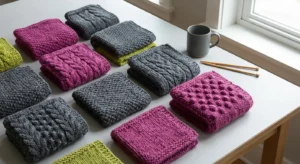
When choosing yarn, always consider the project’s purpose. A delicate lace scarf wouldn’t suit a jumbo yarn, just as a chunky sweater wouldn’t typically be made with lace weight. The yarn label is your best friend. It provides not only the weight category but also recommended gauge and fiber content. If you’re substituting yarn, aim for the same weight category to maintain the pattern’s intended look and feel. Always knit a gauge swatch to confirm your tension matches the pattern, especially when working with unfamiliar yarn weights. This ensures your finished project turns out the size and fabric you expect. Furthermore, understanding this aspect is a key part of any comprehensive yarn weights guide.
Understanding Gauge: Your Project’s Blueprint
Gauge is a crucial concept often overlooked by new crafters. It refers to the number of stitches and rows per inch (or centimeter) produced with a specific yarn and needle or hook size. The pattern you follow will always specify a target gauge. Matching this gauge is paramount. If your gauge is too loose, your project will be larger than intended. Conversely, if it’s too tight, your project will be smaller. Therefore, making a gauge swatch is not optional; it’s essential. It’s a small sample of the stitch pattern. This allows you to adjust your needle or hook size until your swatch matches the pattern’s gauge. This simple step can save hours of frustration later. Indeed, it’s a vital part of any effective yarn weights guide.
The Impact of Fiber Content on Yarn Performance
Beyond weight, the fiber content of yarn significantly influences its properties and suitability for different projects. Natural fibers like wool, cotton, silk, and linen each offer unique characteristics. Wool, for example, is warm, elastic, and moisture-wicking. It’s ideal for sweaters and winter accessories. Cotton, on the other hand, is breathable and absorbent, making it perfect for dishcloths, summer garments, and baby items. Silk provides a luxurious drape and sheen, while linen offers crispness and strength. Synthetic fibers such as acrylic, nylon, and polyester are durable, often more affordable, and come in a vast array of colors. Blends combine the best qualities of multiple fibers. For instance, a wool-nylon blend makes for durable socks. Consequently, considering fiber content alongside yarn weight is key to a successful project. This comprehensive approach enriches your understanding of the yarn weights guide.
Choosing the Right Tools: Needles and Hooks
The yarn’s weight directly dictates the size of knitting needles or crochet hooks you should use. Yarn labels typically provide a recommended range, and patterns will specify the exact size needed to achieve the correct gauge. Using needles or hooks that are too small for a bulky yarn will result in a stiff, dense fabric. Conversely, using tools that are too large for a fine yarn will create a loose, open fabric. Experimentation is sometimes necessary. However, starting with the recommended size is always a good practice. For those interested in knitting, learning about the best set of knitting needles can further enhance your crafting experience. Similarly, understanding all you need to know about crochet hooks is vital for crocheters. This aspect is integral to mastering any yarn weights guide.
Substituting Yarn: A Practical Approach
Sometimes, the yarn specified in a pattern might be discontinued, unavailable, or simply not to your taste. Substituting yarn is a common practice, but it requires careful consideration. The most important rule is to find a substitute yarn of the same weight category. However, even within the same weight, different brands and fiber compositions can yield varying results. Always prioritize matching the gauge. If the substitute yarn’s recommended gauge is different from your pattern’s, you may need to adjust your needle or hook size. Furthermore, consider the fiber content. Swapping a cotton yarn for a wool yarn of the same weight will drastically change the drape and feel of the finished item. Therefore, informed substitution is a critical skill for any crafter. This skill is further honed by a thorough understanding of a yarn weights guide.
Beyond the Basics: Advanced Yarn Weight Considerations
While the CYC standard provides an excellent framework, some nuances exist. For instance, some international systems use different terminology (e.g., ‘ply’ in Australia and the UK). However, most yarn labels today include the CYC number for global clarity. Furthermore, the actual thickness of yarn can vary slightly even within the same weight category. A ‘light worsted’ from one brand might be a bit thinner than a ‘DK’ from another. This is why swatching is always the ultimate arbiter. Additionally, textured yarns (like bouclé or chenille) can behave differently from smooth yarns of the same weight, affecting stitch definition and gauge. Developing an eye for these subtle differences comes with experience and continued practice. Understanding these complexities truly elevates your mastery of the yarn weights guide.
The Role of Yarn Labels: Your Primary Source of Information
Yarn labels are treasure troves of information. They typically display the yarn weight symbol and number, recommended needle and hook sizes, fiber content, yardage or meterage, and care instructions. Some labels also include dye lot numbers, which are important for ensuring color consistency across multiple skeins for a single project. Always check the dye lot when purchasing yarn for a large project. A slight variation in dye lot can be noticeable in the finished product. Therefore, reading and understanding your yarn labels is fundamental. It empowers you to make informed decisions and is a cornerstone of using any yarn weights guide effectively.
Embracing the Journey: From Beginner to Expert
Mastering the nuances of yarn weights guide empowers you to make informed choices, confidently substitute yarns, and even design your own creations. Embrace the variety and let your projects shine with the perfect yarn. Whether you’re knitting a cozy blanket or crocheting a delicate shawl, the right yarn weight is your foundation for success. As you gain experience, you’ll develop an intuitive understanding of how different weights behave. This will open up a world of creative possibilities. Consider exploring different knitting stitches for beginners to apply your newfound knowledge. This journey of discovery makes crafting truly rewarding. Furthermore, for those interested in crochet, understanding introducing crochet patterns and how to read them will be incredibly beneficial.
FAQ Section
What is the most common yarn weight?
The most common and versatile yarn weight is Medium, often labeled as Worsted or Aran. It’s excellent for a wide range of projects, from sweaters to blankets.
Why is it important to know different yarn categories?
Knowing different yarn categories is crucial for selecting the right yarn for your project. It ensures your finished item has the correct size, drape, and texture. This knowledge also helps when substituting yarns.
How do I know what yarn size to use for a pattern?
Most patterns will specify the recommended yarn weight and gauge. Always check the yarn label for its weight category and recommended needle or hook size. Then, create a gauge swatch to match the pattern’s specifications.
Can I mix different yarn sizes in one project?
While possible, mixing different yarn sizes requires careful planning and experience. It can create interesting textures and effects, but it may also alter the overall drape and consistency of your project. Typically, it’s best for advanced crafters.
What is gauge, and why is it important for yarn projects?
Gauge is the number of stitches and rows per inch or centimeter. It’s important because it determines the finished size of your project. Matching the pattern’s gauge ensures your item turns out as intended, preventing it from being too big or too small. You can learn more about this on reputable crafting sites like Craft Yarn Council or Ravelry.