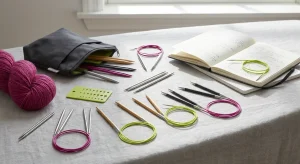
Knitting is often a solitary pursuit, a quiet moment of creation and relaxation. Yet, it also holds incredible power to connect people and make a tangible difference in the world. Knitting for charity offers a unique opportunity to combine your passion for crafting with a desire to give back. Every stitch you knit can become a symbol of warmth, comfort, and hope for those in need, transforming simple yarn into essential items for individuals and communities facing challenges. This act of giving extends the reach of your craft far beyond your own home.
The Profound Impact of Donating Hand-Knitted Items
Donating hand-knitted items can address a wide range of needs within various communities. For instance, newborn hats provide crucial warmth for premature babies, ensuring a safe start to life. Furthermore, warm scarves, hats, and mittens offer comfort and protection from the elements for people experiencing homelessness. Blankets and shawls, moreover, can bring solace to hospital patients, nursing home residents, or victims of natural disasters. Even pet blankets can provide comfort to shelter animals awaiting their forever homes. The impact of these handmade items goes beyond their functional purpose; they convey a powerful message of care and support, letting recipients know that someone, somewhere, thought of them. These acts of kindness foster a sense of community and empathy, proving that even a simple craft can have profound effects. In fact, many organizations rely heavily on these thoughtful contributions.
Consider, for example, the immediate warmth a hand-knitted blanket provides to someone recovering in a hospital. This simple gift can reduce anxiety and provide a sense of security. Similarly, a pair of warm mittens can be life-saving for someone enduring a harsh winter outdoors. Such contributions highlight the practical significance of crafting for good. Additionally, the personal touch of a handmade item often holds more meaning than a mass-produced one, creating a deeper connection between giver and receiver. Therefore, every item, regardless of its size or complexity, truly makes a difference.
Getting Started with Charitable Knitting Projects
Getting started with knitting for charity is often easier than you might think. Many local and national organizations eagerly accept handmade donations. Initially, you should research charities in your area that align with your interests. Perhaps you want to support hospitals, women’s shelters, animal rescues, or veterans’ groups. Most charities will have specific guidelines regarding yarn types, patterns, and sizes to ensure the items are suitable for their recipients. Importantly, simple patterns like basic hats, scarves, or squares are frequently requested, making participation accessible for knitters of all skill levels. You can also join online knitting communities or local crafting groups that organize charity drives, providing a supportive network and shared purpose. Consider using your existing yarn stash, or look for sales to make your contributions even more impactful. Every single item, no matter how small, contributes to a larger effort of kindness. For those new to the craft, learning knitting stitches for beginners is a great first step.
Choosing the Right Yarn and Patterns for Donations
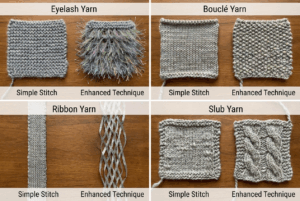
Selecting appropriate yarn and patterns is crucial when you’re crafting for charitable purposes. Generally, charities prefer washable, durable yarns, such as acrylic or superwash wool, because they are easy to care for and suitable for a wide range of recipients. Avoid luxury fibers unless specifically requested, as they may require special care or cause allergic reactions. Furthermore, consider the potential recipients: babies need soft, hypoallergenic yarns, while items for outdoor use require warmth and weather resistance. Many organizations provide lists of approved yarns and patterns on their websites. This guidance ensures your efforts are well-placed and your donations are genuinely useful. For instance, a simple garter stitch scarf can be incredibly effective.
When it comes to patterns, simplicity often reigns supreme. Basic hats, mittens, scarves, and rectangular blankets are always in high demand. These projects are quick to complete, allowing you to contribute more items. Moreover, they are ideal for knitters who are still honing their skills. Websites like Ravelry, as well as many charity organizations themselves, offer free patterns specifically designed for donation. All You Need to Know About Knitting Patterns and More can provide further insights into finding and understanding patterns. Always check the charity’s specific requirements before you begin to ensure your finished items meet their needs. This careful planning maximizes the positive impact of your charitable knitting.
Organizations That Welcome Handmade Donations
Numerous organizations across the globe welcome handmade knitted and crocheted items. For example, Project Linus provides handmade blankets to seriously ill or traumatized children. Similarly, Knitted Knockers offers handmade prosthetics to women who have undergone mastectomies. Local hospitals, particularly NICU units, often have programs for donating tiny hats and blankets for premature babies. Furthermore, homeless shelters, women’s shelters, and veterans’ organizations consistently need warm clothing items like hats, scarves, and gloves. Animal shelters, too, appreciate donations of pet blankets and toys. It’s always best to contact the specific organization directly to inquire about their current needs and donation guidelines. This ensures your contributions are exactly what they require. You can often find a list of such organizations by searching online for “charities accepting knitted donations.”
In addition to large national charities, many smaller, community-based initiatives are always seeking support. These might include local food banks that distribute warm clothing during winter, or community centers that support families in need. Participating in knitting for charity at a local level can create a strong sense of connection within your own neighborhood. You might even find a group of fellow crafters who regularly meet to work on projects together, turning a solitary hobby into a communal effort. This shared purpose is incredibly motivating. For example, a local church group might organize an annual drive for warm items. Remember, every stitch contributes to a larger tapestry of support.
The Joy and Rewards of Charitable Crafting
Engaging in charitable crafting, particularly knitting for charity, is a deeply rewarding experience that extends far beyond the finished item. It allows your craft to serve a greater purpose, transforming your hobby into an act of compassion. Many knitters find that the process of creating for others brings a profound sense of satisfaction and peace. It’s a tangible way to give back, knowing that your time and skill are directly contributing to someone’s well-being. This sense of purpose can also reduce stress and promote mental well-being for the crafter. Moreover, it fosters a sense of connection to the wider community, even if you never meet the recipients of your generosity. The knowledge that your handmade item will bring comfort, dignity, or warmth to someone in need is a powerful motivator.
Furthermore, joining groups dedicated to charitable knitting can introduce you to a supportive community of like-minded individuals. Sharing patterns, tips, and stories with others who are also knitting for charity can enhance your crafting journey. These groups often host knit-alongs or workshops, providing opportunities to learn new techniques and make new friends. For example, you might discover new ways to use Red Heart yarn for charitable projects. This social aspect adds another layer of enjoyment and encouragement. Ultimately, the joy derived from creating something beautiful and useful for others is immeasurable, solidifying the idea that crafting can indeed change lives. The act of giving through your craft truly enriches both your life and the lives of recipients.
Tips for Successful Charitable Knitting
To make your charitable knitting efforts as impactful as possible, consider a few practical tips. Firstly, always check the specific requirements of the charity you intend to donate to. This includes yarn fiber content, color preferences, and size specifications. Some organizations might have strict hygiene rules, requiring items to be freshly washed and from a smoke-free environment. Secondly, don’t feel pressured to create elaborate or complex projects. Simple, well-made items are often preferred due to their practicality and ease of distribution. A basic hat or a simple square blanket can be just as valuable as an intricate shawl, perhaps even more so. Moreover, consistency in your work ensures that items are durable and long-lasting.
Thirdly, consider joining or forming a local knitting group focused on charitable projects. This can provide motivation, support, and a shared pool of resources. You might even find opportunities to pool yarn donations or share patterns. Additionally, keep an eye out for yarn sales or use leftover yarn from other projects. This approach helps maximize your contributions while minimizing costs. Finally, remember that every stitch counts. Even if you can only contribute one item, that one item can make a significant difference to someone. Your contribution, however small, is a vital part of the larger effort. It’s a testament to the power of individual actions to create collective good. Furthermore, sharing your experience can inspire others to participate.
Expanding Your Impact: Beyond Individual Donations
While individual donations are incredibly valuable, there are other ways to expand your impact when participating in knitting for charity. For instance, you could organize a yarn drive in your community or at your workplace. Many people have unused yarn stashes that they would be happy to donate if given an easy opportunity. This can significantly boost the resources available for crafters. Moreover, consider hosting a