Starting a new craft like knitting or crochet can feel exhilarating. However, for many, the initial hurdle is navigating the vast world of tools and materials. What are the absolute essential beginner knitting crochet supplies you need, and what can wait? Knit n Style is here to demystify the process, ensuring your first foray into yarn crafts is joyful and straightforward.
Over the past few years, we’ve seen a significant surge in new crafters. In fact, beginner participants increased by 34% between 2021 and 2025. This growing community proves that now is the perfect time to pick up a hook or needles. Our goal is to equip you with the knowledge to make smart choices from the start, avoiding unnecessary purchases and focusing on what truly matters for your first projects.
Understanding Your Essential Crafting Tools
Before you can cast on your first stitch or chain your first row, you need the right foundational tools. Don’t be overwhelmed by the sheer variety; we’ll break down the core items you’ll use constantly. These initial choices are crucial for a smooth learning experience.
Yarn: Your Creative Canvas
Yarn is the heart of your project, and choosing the right one is crucial for beginners. For your very first projects, look for specific characteristics. Consequently, your learning curve will be much smoother.
- Weight: Medium (Worsted/Aran weight) is ideal. It’s easy to see your stitches and works up quickly.
- Fiber: Acrylic is affordable, durable, and easy to care for, making it excellent for practice. However, if sustainability is a priority for you – as it is for 58% of demand, especially among younger crafters – consider eco-friendly options. Organic cotton, bamboo, or recycled yarns are becoming increasingly popular and are fantastic for items like dishcloths or simple bags. The global sustainable yarn market is projected to reach USD 10.1 billion by 2033, so you’ll find plenty of beautiful choices.
- Color: Start with a light, solid color. Variegated or very dark yarns can make it difficult to see your individual stitches, which is essential when you’re learning.
Knitting Needles: Straight, Circular, and DPNs
Knitting needles come in various forms. But for beginners, we recommend starting with straight needles. These are typically 10-14 inches long and are perfect for flat projects like scarves or dishcloths. They are straightforward to handle. Furthermore, the material of your needles makes a difference.
- Material: Bamboo or wooden needles offer a good grip, preventing stitches from slipping off too easily. This is a common frustration for newcomers. Metal needles are faster but can be too slick for beginners.
- Size: Match your needle size to your yarn weight. For worsted weight yarn, a US 7 (4.5mm) or US 8 (5mm) needle is a great starting point. Your yarn label will usually recommend a size. To learn more about selecting the right tools, explore our guide on You won’t Get Far with Your Next Project Without the Best Set of Knitting Needles.
Crochet Hooks: Sizes and Materials
Crochet requires just one hook, making it feel slightly simpler to get started in some ways. Again, material and size are important considerations. Consequently, choosing wisely will enhance your initial experience.
- Material: Bamboo or aluminum hooks are excellent for beginners. Bamboo provides a good grip, while aluminum is smooth and durable.
- Size: For worsted weight yarn, a US H/8 (5mm) or I/9 (5.5mm) hook is a good starting point. Just like with knitting needles, your yarn label will offer recommendations. You can find comprehensive information on selecting the perfect hook in our article, All You Need to Know About Crochet Hooks in One Place.
Beyond the Basics: Other Important Beginner Knitting Crochet Supplies
While yarn, needles, and hooks are your absolute necessities, a few other items will make your crafting journey much smoother. These additional tools are not strictly essential for your very first stitch. However, they quickly become invaluable.
Scissors: A Must-Have
You will need scissors to cut your yarn, both at the beginning and end of projects, or when changing colors. Any sharp pair will do. Small, sharp craft scissors are often preferred for their precision and portability. Therefore, keep a pair handy in your project bag.
Tapestry Needle: Weaving in Ends
After you finish a project, you’ll have yarn tails that need to be woven in to secure your work and make it look neat. A tapestry needle (also called a yarn needle or darning needle) has a blunt tip and a large eye, making it perfect for this task. It prevents splitting the yarn fibers as you weave. This little tool makes a big difference in the finished appearance of your items. Indeed, it’s a crucial step for a polished look.
Stitch Markers: Keeping Track
Stitch markers are small clips or rings that you place in your work to mark specific stitches or rows. They are incredibly useful for beginners, especially when counting stitches, marking the beginning of a round, or identifying pattern repeats. Consequently, they help prevent errors and frustration. They are inexpensive and can save you a lot of time by preventing mistakes.
Measuring Tape: For Sizing and Gauge
A flexible measuring tape is essential for checking your project’s dimensions and, more importantly, for checking your gauge. Gauge refers to the number of stitches and rows per inch. Matching the pattern’s gauge ensures your finished item will be the correct size. This is particularly important for garments or fitted items. For example, if your gauge is off, a sweater might end up too large or too small. Thus, a measuring tape is an indispensable tool.
Row Counter: Tracking Progress
A row counter is a small device that helps you keep track of how many rows you’ve completed. This is especially helpful for larger projects or patterns with many repetitive rows. Some counters attach directly to your needle, while others are handheld. Using one can prevent errors and save you from constantly recounting. As a result, your crafting becomes more efficient.
Choosing Your First Project Wisely
Selecting the right first project is just as important as choosing the right beginner knitting crochet supplies. A simple, achievable project will build your confidence and keep you motivated. Avoid overly complex patterns with intricate stitches or shaping. Instead, focus on mastering the basic stitches.
Ideal First Knitting Projects
- Dishcloths: These are excellent for practicing basic knit and purl stitches. They are small, quick to finish, and functional.
- Scarves: A simple garter stitch or stockinette stitch scarf allows you to practice consistent tension and creates a wearable item.
- Washcloths: Similar to dishcloths, these are small and great for practicing new techniques without a huge commitment.
For more guidance, check out our page on Knitting Stitches for Beginners – The Best Place to Start.
Ideal First Crochet Projects
- Chain of any length: This sounds too simple, but mastering the chain stitch is fundamental. Practice making long, even chains.
- Granny Squares: These are small, modular pieces that teach you basic stitches and how to work in the round. They can be joined later to make larger items.
- Simple Coasters or Trivets: These are quick projects that help you practice single crochet or double crochet stitches in a flat piece.
Similarly, exploring our A Quick Guide to Crochet Stitches and Techniques can provide further inspiration.
Where to Find Your Beginner Knitting Crochet Supplies
Once you know what you need, the next step is finding it. Fortunately, crafting supplies are widely available. You have several options, each with its own advantages.
Local Yarn Stores (LYS)
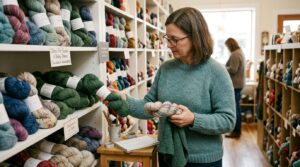
Visiting a local yarn store offers a unique experience. You can touch and feel the yarns, get personalized advice from experienced staff, and often find unique fibers. Many LYS also offer beginner classes, which can be a fantastic way to learn. They provide a wonderful sense of community. Moreover, supporting local businesses is always a plus.
Craft Chains
Large craft store chains like Hobby Lobby, Michaels, or Joann Fabrics carry a wide selection of beginner knitting crochet supplies. These stores often have sales and coupons, making them an affordable option. They are convenient and usually have a good range of acrylic and cotton yarns suitable for beginners. You can find almost everything you need in one trip.
Online Retailers
Websites like Amazon, LoveCrafts, or WEBS offer an enormous selection of yarns and tools. Online shopping provides convenience and often competitive pricing. However, you can’t feel the yarn before purchasing, so reading reviews is crucial. Furthermore, be mindful of shipping costs. The convenience of having supplies delivered to your door is undeniable. According to Statista, online sales for arts and crafts supplies saw a significant boost during recent years, underscoring their popularity.
Tips for Starting Your Crafting Journey
Beginning a new craft is exciting. Keep these tips in mind to ensure a positive and rewarding experience. These pointers will help you navigate common beginner challenges.
- Start Simple: As mentioned, choose easy projects. Don’t try to knit a complex sweater or crochet an intricate lace shawl as your first attempt. Building foundational skills is key.
- Practice Regularly: Consistency is more important than long, infrequent sessions. Even 15-20 minutes of practice each day will significantly improve your skills.
- Don’t Be Afraid to Make Mistakes: Everyone makes mistakes, especially when learning. View them as learning opportunities, not failures. You can always unravel (or