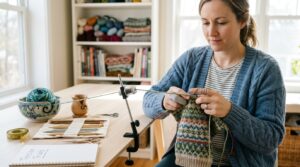
Knitting is a joyful, creative hobby that brings relaxation and beauty into daily life. But if you’ve ever experienced stiff fingers, aching wrists, or sore shoulders after a long session, you know that knitting-related joint pain can take the fun out of your craft. Fortunately, heat therapy for joint pain offers a simple, effective way to keep discomfort at bay and help you knit longer without strain.
Understanding Knitting-Related Joint Pain
Knitting is repetitive, and repetitive movements often lead to joint stress. Whether you knit for hours on end or even just short sessions every day, the small muscles and joints in your hands, wrists, and shoulders can become overworked. Over time, this repetitive use may lead to pain, stiffness, or even conditions like tendonitis and arthritis flare-ups.
Why Knitters Experience Joint Pain
The gentle but continuous motion of looping yarn and handling needles might look easy, but your joints are working overtime. Add to that posture issues—like hunching over projects—and the problem becomes worse. Joint pain in knitters often stems from:
- Poor ergonomics
- Long knitting sessions without breaks
- Limited blood flow to small joints
- Stress on tendons and ligaments
It’s not just about age or arthritis; even younger knitters can develop discomfort if they ignore body mechanics.
Common Affected Areas: Hands, Wrists, and Shoulders
Knitting typically affects:
- Hands and fingers: Cramping and stiffness from repetitive pinching and gripping.
- Wrists: Soreness from constant flexing.
- Shoulders and neck: Pain caused by poor posture while knitting.
Each of these areas responds well to targeted heat therapy for joint pain, making it a go-to method for knitters everywhere.
What Is Heat Therapy?
Heat therapy, also called thermotherapy, is the use of warmth to relax muscles, ease stiffness, and improve blood circulation. Unlike cold therapy, which reduces swelling, heat helps soften tissues and promotes flexibility.
For knitters dealing with stiffness and aching joints, heat can feel like a comforting hug for tired hands.
How Heat Therapy Eases Knitting Discomfort
Applying heat increases blood flow to painful areas. This extra circulation brings oxygen and nutrients while helping remove waste products that cause pain. Benefits include:
- Reduced stiffness in joints
- Relaxed muscles
- Improved flexibility
- Enhanced comfort before and after knitting sessions
Think of it as oiling a squeaky hinge—it makes movement smoother and less painful.
Types of Heat Therapy for Knitters
Moist Heat vs. Dry Heat
Moist heat, like warm towels or baths, penetrates deeper into tissues. Dry heat, like heating pads, offers convenience and steady warmth. Both are effective; many knitters prefer moist heat for deeper relief.
Heating Pads and Warm Compresses
A quick and easy option is to use an electric heating pad or a microwavable warm compress. Place it over sore wrists, shoulders, or hands for soothing comfort.
Warm Water Therapy and Baths
A simple soak in warm water or a specialized paraffin wax bath can provide deep relaxation for stiff fingers. Many knitters find warm water immersion particularly soothing after long sessions.
Best Times to Use Heat Therapy
Heat works best when stiffness or tension is the main issue. Use it:
- Before knitting: To loosen joints and prepare muscles.
- After knitting: To relieve tightness and soreness.
- During breaks: For quick relief when you feel tension building.
Simple At-Home Heat Therapy Methods
DIY Warm Compresses
Soak a towel in warm water, wring it out, and place it over sore areas. This simple method can be repeated throughout the day.
Using Rice or Flaxseed Heating Packs
These homemade packs can be microwaved and used multiple times. They mold to your hands or shoulders for personalized relief.
Paraffin Wax Baths for Hands
A favorite among knitters, paraffin wax baths provide moist heat that deeply penetrates finger and hand joints. They also leave skin soft and moisturized—an added bonus.
Combining Heat Therapy with Knitting Breaks
Taking breaks is essential. Pairing short breaks with heat therapy makes your recovery even more effective. After 30–45 minutes of knitting, pause to stretch and apply heat to sore areas for a few minutes.
Stretching and Heat: A Powerful Duo
Stretching improves flexibility, while heat makes muscles more pliable. Combining both creates a perfect partnership. For example, warm your hands, then gently stretch your fingers to keep them limber.
How Long Should Heat Be Applied?
For most knitters, 15–20 minutes of heat is ideal. Longer sessions may dry out the skin or cause discomfort. The goal is relief, not overexposure.
Safety Precautions When Using Heat Therapy
While safe for most people, always follow these guidelines:
- Avoid excessive heat to prevent burns.
- Don’t use heat on swollen joints (opt for cold therapy instead).
- Keep heating devices at a moderate, comfortable temperature.
- Check skin frequently if you have reduced sensitivity.
Alternatives to Heat Therapy
Cold Therapy for Inflammation
If swelling occurs, cold therapy may be better than heat. Ice packs reduce inflammation and can be alternated with warmth for comprehensive relief.
Massage and Gentle Movement
Massaging sore joints or doing light hand exercises can complement heat therapy. Both methods encourage blood flow and reduce stiffness.
When to Seek Medical Advice
If joint pain persists despite heat therapy, it may be more than overuse. Seek medical attention if you experience:
- Sharp, worsening pain
- Swelling that doesn’t improve
- Tingling or numbness in fingers
Lifestyle Tips to Reduce Knitting-Related Pain
- Use ergonomic knitting needles.
- Maintain good posture.
- Take regular breaks.
- Stretch your hands, wrists, and shoulders daily.
- Stay hydrated and maintain joint-friendly nutrition.
These habits, combined with heat therapy for joint pain, can keep you knitting comfortably for years.
Conclusion: Stay Comfortable While Knitting
Knitting should be soothing, not painful. By incorporating heat therapy for joint pain into your routine, you can ease discomfort, protect your joints, and enjoy your craft without interruption. Whether you use heating pads, warm baths, or paraffin wax treatments, heat therapy provides a warm, reliable way to keep your hands and shoulders happy as you create.
FAQ
1. Can heat therapy cure knitting-related joint pain?
No, but it effectively relieves stiffness and discomfort, making knitting more comfortable.
2. How often should I use heat therapy?
You can safely use it daily, especially before and after knitting sessions.
3. Is moist heat better than dry heat for knitters?
Moist heat penetrates deeper and is often more soothing, but both work well.
4. Can I use heat therapy if I have arthritis?
Yes, but check with your doctor if you have severe arthritis or other health conditions.
5. Should I use heat or ice for sore knitting joints?
Use heat for stiffness and relaxation, and ice for swelling or inflammation.