Knitting is a calming, creative hobby that many crafters love. But what happens when the very activity that relaxes you starts to cause discomfort? Hand pain can turn knitting into a challenge instead of a joy. The good news is that there are simple, effective strategies to prevent hand pain while knitting so you can keep stitching happily for hours.
Why Knitting Causes Hand Pain
Knitting involves small, repetitive movements that put stress on your fingers, wrists, and thumbs. Over time, this repetition can strain muscles, tighten tendons, and inflame joints. Add long sessions without breaks and poor posture, and pain is almost guaranteed.
Common Types of Knitting Hand Pain
Finger Joint Stiffness
The constant gripping and pinching motion can make your fingers stiff and achy, especially in the knuckles.
Wrist Strain
The wrist is often bent for long periods while knitting. Over time, this may cause strain, tingling, or even carpal tunnel symptoms.
Thumb Base Pain
Many knitters experience soreness at the base of the thumb, where gripping force is the strongest.
Early Warning Signs You Shouldn’t Ignore
- Tingling or numbness in the fingers
- Swelling around joints
- Pain that worsens after knitting sessions
- Difficulty gripping needles or yarn
These are signals your hands need rest and care. Ignoring them may lead to long-term issues.
How to Prevent Hand Pain While Knitting
Here are seven proven strategies that can make knitting more comfortable:
1. Practice Proper Posture
Sit with your back straight and shoulders relaxed. Keep your knitting close to your body instead of hunching forward. Good posture reduces strain on your neck, shoulders, and hands.
2. Use Ergonomic Knitting Tools
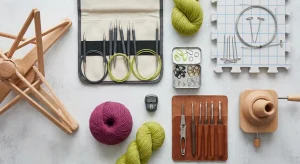
Cushioned, lightweight, or specially designed ergonomic needles reduce strain on your fingers and wrists. Larger needles can also be easier to handle for those with arthritis.
3. Stretch Before and After Knitting
Think of knitting like a workout for your hands. A quick warm-up and cool-down can prevent stiffness. Stretch your fingers, rotate your wrists, and gently bend your thumbs before and after each session.
4. Take Regular Knitting Breaks
Set a timer for every 30–45 minutes. During breaks, shake out your hands, stretch, or walk around. Short pauses help prevent fatigue from building up.
5. Warm Up Hands with Heat Therapy
Warm compresses or a paraffin wax bath increase circulation, making your joints more flexible. This is especially helpful if you already have arthritis or stiffness.
6. Lighten Your Grip
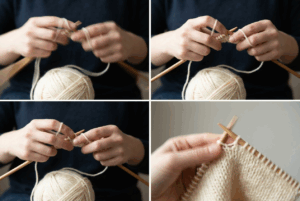
Knitting doesn’t require a tight hold. Relax your hands and allow the yarn to flow naturally. A death grip on your needles only leads to unnecessary pain.
7. Choose the Right Yarn and Needles
Heavier yarns and slippery needles may strain your hands. Choose materials that glide smoothly and don’t require excessive effort to control.
Hand Exercises for Knitters
Adding a few simple exercises can strengthen your hands and keep them flexible.
Gentle Finger Stretches
Spread your fingers wide apart, then slowly close them into a fist. Repeat 5–10 times.
Thumb Circles
Move your thumbs in gentle circles to loosen stiff joints.
Wrist Flex and Extend
Hold your arm out, palm down. Gently push your wrist downward with your other hand, then upward. This relieves wrist tension.
Creating a Knitting-Friendly Workspace
Your environment matters. Use good lighting to avoid hunching. Sit in a supportive chair, and consider a lap pillow to raise your project and reduce strain on your arms.
Lifestyle Habits That Support Healthy Hands
- Stay hydrated for joint health.
- Eat anti-inflammatory foods like salmon, walnuts, and leafy greens.
- Wear compression gloves to support circulation and reduce swelling.
When to Rest or Seek Medical Advice
If your pain persists despite self-care, or if swelling and numbness worsen, consult a doctor. You may need professional treatment or physical therapy to protect your hands long-term.
Conclusion: Keep Knitting Without Pain
Knitting should bring joy, not discomfort. By practicing good posture, using ergonomic tools, and learning how to prevent hand pain while knitting, you can protect your hands and keep creating beautiful projects. A few small changes make a big difference in long-term comfort.
FAQ
1. Can knitting cause permanent hand damage?
Not usually, but ignoring pain may lead to chronic issues like tendonitis or arthritis flare-ups.
2. How often should I take breaks while knitting?
Every 30–45 minutes is ideal to prevent stiffness and fatigue.
3. What are the best needles for hand pain?
Lightweight, ergonomic needles with cushioned grips are easiest on the joints.
4. Does heat therapy really help knitters’ hands?
Yes, it relaxes tissues, increases circulation, and reduces stiffness.
5. Should I stop knitting if my hands hurt?
Take a break and stretch. If pain persists, rest until symptoms improve or consult a doctor.