Knitting is more than just a hobby—it’s therapy, relaxation, and creativity all wrapped into one. But if you’re living with arthritis, what should feel soothing can sometimes turn into discomfort. The stiffness, swelling, and aching in your hands may make knitting seem nearly impossible. The good news? With the right strategies and tools, you can enjoy knitting with arthritis in your hands comfortably and confidently.
Understanding Arthritis and Knitting Challenges
Arthritis is a condition that causes inflammation in the joints, leading to pain, stiffness, and reduced mobility. For knitters, arthritis in the hands presents unique challenges because of the repetitive and precise movements required. Holding needles, manipulating yarn, and maintaining tension can quickly tire arthritic joints.
Why Knitting Can Be Hard on Arthritic Hands
Knitting relies on small, repetitive motions. For someone with arthritis, these can:
- Strain swollen joints
- Increase stiffness in fingers and thumbs
- Cause discomfort in wrists after long sessions
It doesn’t mean you have to give up your craft—it just means adjusting your approach.
Common Hand Problems for Arthritic Knitters
Joint Stiffness and Swelling
The repetitive grip on needles can make finger joints swell or feel locked in place.
Thumb Pain and Grip Strain
Arthritis commonly affects the base of the thumb, making gripping especially painful.
Reduced Flexibility
Limited motion can make it harder to switch stitches or manipulate yarn smoothly.
Benefits of Knitting Despite Arthritis
Knitting can actually be beneficial if done wisely. It:
- Keeps fingers moving, preventing stiffness
- Provides mental relaxation and stress relief
- Boosts mood through creativity and accomplishment
The key is balance: knitting enough to enjoy the benefits without overloading your joints.
Practical Tips for Knitting with Arthritis in Your Hands
1. Choose Ergonomic Knitting Needles
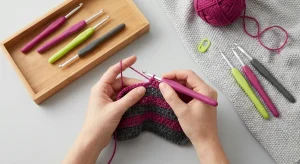
Needles with cushioned grips, larger handles, or lightweight materials reduce strain on fingers and thumbs. Some brands even design arthritis-friendly options.
2. Use Lightweight Yarns and Tools
Heavier yarns or metal needles can add strain. Opt for lighter fibers and materials that glide easily.
3. Adjust Your Grip and Tension
Relax your hold. A death grip on your needles can worsen pain. Looser tension not only protects your joints but also creates a softer fabric.
4. Take Frequent Knitting Breaks
Every 30 minutes, pause to stretch your fingers, rotate your wrists, or simply rest. Think of it as a reset button for your hands.
5. Try Heat Therapy Before and After Knitting
Warming your hands before knitting improves flexibility, while heat afterward soothes sore joints. A warm compress or paraffin wax bath works wonders.
6. Wear Arthritis-Friendly Compression Gloves
Specialized gloves improve circulation, reduce swelling, and provide gentle support during knitting. Many knitters find they can knit longer without pain while wearing them.
7. Create a Comfortable Knitting Environment
Sit in a supportive chair with good posture. Use pillows or lap tables to raise your work and reduce shoulder and hand strain.
Hand Stretches and Exercises for Arthritic Knitters
Movement helps lubricate joints and prevent stiffness. A few gentle exercises:
Gentle Finger Bends
Slowly bend each finger toward your palm, then straighten. Repeat several times.
Thumb Stretches
Stretch your thumb away from your palm, then touch it to each fingertip. This keeps your thumb joint flexible.
Wrist Circles
Rotate your wrists in gentle circles to release tension.
Alternative Knitting Techniques for Comfort
Continental vs. English Style
If one style hurts, try switching. Continental knitting (holding yarn in the left hand) often requires less wrist movement than English style.
Loom Knitting as an Option
For severe arthritis, loom knitting can be a fantastic alternative. It reduces strain while still allowing creativity.
Lifestyle Tips to Support Joint Health
- Eat an anti-inflammatory diet rich in omega-3s.
- Stay hydrated to support joint function.
- Keep active—gentle exercise strengthens muscles around joints.
When to Seek Medical Support
If pain persists despite adjustments, or if your hands swell significantly, consult a doctor. Physical therapy, medications, or joint support devices may be necessary.
Conclusion: Keep Knitting with Joy Despite Arthritis
Arthritis may change the way you knit, but it doesn’t have to end your passion. By using ergonomic tools, stretching often, and applying self-care strategies, you can continue knitting with arthritis in your hands comfortably. With a few adjustments, your favorite hobby can remain a source of joy, relaxation, and creativity for years to come.
FAQ
1. Can knitting make arthritis worse?
Knitting won’t cause arthritis, but overuse without breaks can increase symptoms.
2. What are the best needles for arthritic hands?
Lightweight, ergonomic needles with cushioned grips are ideal.
3. Should I knit every day if I have arthritis?
Yes, but keep sessions short and stretch regularly to avoid stiffness.
4. Do compression gloves help with knitting pain?
Yes, they reduce swelling, improve circulation, and support hand joints.
5. What if I can’t hold knitting needles anymore?
Try loom knitting, which requires less grip strength and is arthritis-friendly.