If you’ve ever struggled to see your stitches clearly, you already know how important lighting can be. The truth is, best lighting knitting crocheting setups can completely change how comfortable and enjoyable your crafting sessions feel.
At first, it may seem like any light will do. However, poor lighting can lead to eye strain, missed stitches, and even tension issues. Because of this, your setup plays a bigger role than you might expect. When your eyes work harder, your hands often follow with tighter, less controlled movements.
By improving your lighting, you create a more relaxed and efficient environment. As a result, your stitches become more consistent, and your overall experience improves. Over time, this simple adjustment can make a noticeable difference in both comfort and quality.
Why Lighting Matters More Than You Think
Knitting and crocheting rely heavily on visual detail. Each stitch needs to be placed accurately, and even small mistakes can affect the final result. Therefore, having proper visibility is essential.
When lighting is too dim, your eyes strain to focus. This can lead to fatigue, headaches, and slower progress. On the other hand, overly harsh lighting can create glare and discomfort. Because of this balance, best lighting knitting crocheting setups aim to provide clear, soft illumination.
Additionally, good lighting helps you spot mistakes early. Instead of unraveling rows later, you can correct issues immediately. This saves time and reduces frustration.
By improving your lighting conditions, you support both your eyes and your technique. As a result, your crafting sessions feel smoother and more enjoyable.
Natural Light vs Artificial Light
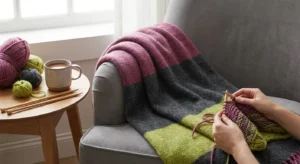
Natural light is often the most comfortable option. It provides a balanced spectrum that makes colors and textures easier to see. If possible, sitting near a window can greatly improve your visibility.
However, natural light isn’t always available. Cloudy days or evening sessions require artificial lighting. This is where choosing the right setup becomes important.
Best lighting knitting crocheting setups often combine both sources. During the day, natural light can be your primary source. At night, a well-placed lamp can maintain the same level of clarity.
Additionally, artificial lighting allows you to control brightness and direction. This helps reduce shadows and improve focus. By combining both types, you create a consistent and reliable setup.
Choosing the Right Type of Lamp
Not all lamps are suitable for detailed work. Standard room lighting often lacks the focus needed for knitting or crocheting. Therefore, task lighting becomes essential.
Adjustable desk lamps are a popular choice. They allow you to direct light exactly where you need it. This reduces shadows and improves visibility.
Floor lamps with flexible arms are another great option. They provide broader coverage while still offering control. Many knitters find these helpful for larger projects.
Best lighting knitting crocheting setups often include lamps with adjustable brightness. This allows you to adapt to different times of day and personal preferences.
Choosing the right lamp ensures your workspace remains well-lit and comfortable.
The Importance of Light Temperature
Light temperature affects how colors appear and how comfortable your eyes feel. It’s measured in Kelvin and ranges from warm to cool tones.
Warm light creates a cozy atmosphere. However, it may not provide enough clarity for detailed work. Cool light, on the other hand, enhances visibility and contrast.
For knitting and crocheting, neutral to cool light often works best. It helps you see stitches clearly without causing harsh glare. Because of this, best lighting knitting crocheting setups usually fall within this range.
Additionally, consistent light temperature prevents eye fatigue. When your lighting matches your needs, your eyes can relax and focus more easily.
Positioning Your Light for Maximum Comfort
Even the best lamp won’t help if it’s poorly positioned. Placement plays a crucial role in how effective your lighting is.
Ideally, your light should come from the side or slightly behind your shoulder. This reduces shadows and keeps your hands well-lit. Avoid placing light directly in front of your eyes, as this can cause glare.
If you’re right-handed, placing the light on your left side can prevent shadows. For left-handed crafters, the opposite applies.
Best lighting knitting crocheting setups focus on even illumination. By adjusting your light position, you can create a balanced and comfortable workspace.
Reducing Eye Strain During Long Sessions
Eye strain is a common issue for knitters and crocheters. Long sessions combined with poor lighting can make it worse.
Taking regular breaks helps your eyes relax. Looking away from your work every few minutes can reduce fatigue. Additionally, blinking more often keeps your eyes hydrated.
Proper lighting also plays a major role. When your workspace is well-lit, your eyes don’t need to work as hard. This makes it easier to focus for longer periods.
Best lighting knitting crocheting setups support eye health by reducing strain and improving clarity. As a result, you can enjoy longer sessions without discomfort.
Using Multiple Light Sources for Better Coverage
One light source may not always be enough. Shadows can still form, especially when working with detailed patterns.
Using multiple lights can improve coverage. For example, combining a desk lamp with overhead lighting can create a more balanced environment.
This approach reduces harsh contrasts and ensures your entire workspace is visible. As a result, your stitches are easier to see from every angle.
Best lighting knitting crocheting setups often use layered lighting. This combination provides both focus and overall brightness.
By adding more light sources, you create a more adaptable and comfortable setup.
How Lighting Affects Color Accuracy
Color plays an important role in many projects. However, poor lighting can distort how colors appear.
Warm lighting may make colors look yellow or dull. Cool lighting can enhance contrast but may feel harsh if overused. Therefore, finding the right balance is essential.
Best lighting knitting crocheting setups aim to show true colors. This helps you make better decisions when working with multiple shades.
Additionally, accurate color visibility improves pattern recognition. You can distinguish between stitches more easily, which supports better results.
By choosing the right lighting, you ensure your project looks as intended.
Creating a Comfortable Crafting Space
Lighting is just one part of your overall setup. However, it works best when combined with a comfortable environment.
Choose a chair that supports your posture. Keep your tools within easy reach. These small details help reduce strain and improve focus.
Adding soft background lighting can also enhance comfort. While task lighting provides clarity, ambient light creates a relaxing atmosphere.
Best lighting knitting crocheting setups balance function and comfort. By combining good lighting with a supportive space, you create an environment that encourages longer, more enjoyable sessions.
Conclusion
Good lighting is often overlooked, yet it plays a critical role in knitting and crocheting. Without it, even simple projects can become challenging.
By focusing on best lighting knitting crocheting setups, you improve visibility, reduce eye strain, and enhance your overall experience. Small adjustments, such as choosing the right lamp or positioning it correctly, can make a significant difference.
More importantly, proper lighting supports better technique. When you see clearly, your stitches become more consistent and your results more polished.
In the end, crafting should feel comfortable and enjoyable. With the right lighting, you can create a space that supports both your creativity and your well-being.
FAQ
- What type of light is best for detailed crafting?
Neutral to cool light works well because it improves visibility and reduces eye strain. - Is natural light better than artificial lighting?
Natural light is ideal, but a good lamp can provide consistent visibility when needed. - How can I reduce shadows while working?
Position your light to the side or behind your shoulder for even illumination. - Can poor lighting affect stitch quality?
Yes, it can lead to mistakes and uneven tension due to reduced visibility. - Do I need more than one light source?
Using multiple lights can improve coverage and reduce shadows for better comfort.