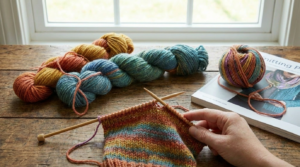
Cold weather can make crafting feel extra cozy, yet it also introduces new challenges. If your hands feel stiff or your stitches become uneven, you’re not alone. Learning how to knit crochet comfortably cold weather conditions demand is essential for maintaining both comfort and consistency.
When temperatures drop, your muscles naturally tighten. As a result, your hands lose flexibility, and your movements may feel slower or less controlled. This can affect your tension, stitch quality, and overall enjoyment. However, with a few simple adjustments, you can keep your hands warm and your stitches smooth.
By understanding how cold affects your body and adapting your setup, you can continue crafting without discomfort. More importantly, you can protect your hands and maintain better control over your work.
Why Cold Weather Affects Your Hands and Stitches
Cold temperatures reduce blood flow to your hands. Because of this, your fingers may feel stiff, numb, or less responsive. Even if you’re indoors, a chilly room can impact your comfort.
When your hands are cold, your grip often tightens. This leads to increased tension in your yarn, which can result in uneven stitches. Therefore, knit crochet comfortably cold weather becomes more than just a comfort issue. It directly affects your technique.
Additionally, slower finger movement can disrupt your rhythm. Instead of smooth, consistent stitching, your work may feel forced or uneven. Over time, this can lead to frustration or even strain.
By keeping your hands warm and relaxed, you create a better environment for consistent crafting. Small changes can make a big difference in both comfort and quality.
Keeping Your Hands Warm Without Losing Control
Staying warm is the first step toward better comfort. However, bulky gloves can make it difficult to hold needles or hooks properly. That’s why finding the right balance matters.
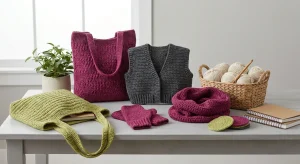
Fingerless gloves are a great solution. They keep your hands warm while allowing full control of your fingers. This makes it easier to maintain precision while working.
Another option is using hand warmers. Placing them nearby can gently warm your hands between rows. As a result, you can knit crochet comfortably cold weather without losing flexibility.
You can also warm your hands naturally by rubbing them together or soaking them briefly in warm water. Although simple, these methods help restore circulation quickly.
Maintaining warmth helps your muscles stay relaxed. Consequently, your stitches become more even and your movements more fluid.
Creating a Comfortable Crafting Environment
Your surroundings play a big role in how comfortable you feel. Even small adjustments can improve your experience significantly.
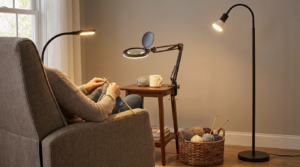
Start by choosing a warm, well-lit area. Sitting near a heater or under a blanket can help maintain body warmth. However, make sure your hands remain free to move easily.
Layering your clothing is another effective approach. Keeping your core warm helps improve circulation to your hands. Therefore, you’ll find it easier to knit crochet comfortably cold weather sessions.
Lighting also matters. During winter, natural light is limited. Using a good lamp reduces eye strain and helps you see your stitches clearly.
By creating a cozy and functional space, you set yourself up for a more enjoyable and productive session.
Choosing the Right Tools for Cold Conditions
Not all tools perform the same in cold weather. Some materials can feel colder and less comfortable in your hands.
Metal needles, for example, can become quite cold. This may make your hands feel even stiffer. In contrast, wooden or bamboo needles retain warmth better. Because of this, they are often preferred when trying to knit crochet comfortably cold weather.
Hooks and needles with ergonomic grips can also improve comfort. They reduce strain and make it easier to maintain control, especially when your hands feel less flexible.
Additionally, consider your yarn choice. Softer, warmer yarns can enhance the overall experience. They feel better in your hands and help maintain a steady rhythm.
Choosing the right tools allows you to adapt to colder conditions without sacrificing quality.
Stretching and Warming Up Before You Start
Before you begin crafting, it helps to prepare your hands. Cold muscles are more prone to stiffness and discomfort. Therefore, a short warm-up routine can make a noticeable difference.
Start by gently opening and closing your hands. Then, rotate your wrists slowly in both directions. These movements increase blood flow and improve flexibility.
You can also stretch your fingers by spreading them apart and bringing them back together. Although simple, these exercises help loosen tight muscles.
Taking a few minutes to warm up ensures you can knit crochet comfortably cold weather without unnecessary strain. Over time, this habit can improve both comfort and consistency.
Maintaining Good Posture and Relaxation
Cold weather often encourages curling up in tight positions. While this may feel cozy, it can lead to poor posture and tension.
Instead, try to sit in a relaxed yet supportive position. Keep your shoulders loose and your back straight. This helps prevent stiffness from spreading beyond your hands.
Taking regular breaks is also important. Even short pauses allow your muscles to relax and recover. As a result, you maintain better control over your stitches.
Breathing deeply can also help reduce tension. When your body is relaxed, your movements become smoother. This makes it easier to knit crochet comfortably cold weather without feeling restricted.
Adjusting Your Pace for Better Control
In colder conditions, your natural pace may slow down. Rather than forcing speed, it’s better to adapt.
Working at a slightly slower pace allows you to focus on consistency. This helps maintain even tension despite reduced flexibility.
Additionally, slowing down can prevent mistakes. When your hands feel stiff, rushing increases the chance of uneven stitches or dropped loops.
By adjusting your pace, you support better control and smoother results. Over time, you’ll find a rhythm that feels both comfortable and efficient.
Hydration and Skin Care in Cold Weather
Cold air can dry out your skin, especially on your hands. Dry skin can make yarn feel rough and reduce comfort while crafting.
Using a good hand cream helps keep your skin soft and flexible. However, choose a non-greasy formula to avoid affecting your grip.
Staying hydrated is equally important. When your body is well-hydrated, your skin and muscles function better. This supports smoother movement and better control.
Taking care of your hands allows you to knit crochet comfortably cold weather without irritation or discomfort.
Building a Sustainable Winter Routine
Consistency is key when crafting regularly in cold weather. By developing a routine, you make it easier to stay comfortable.
Start by warming your hands before each session. Then, create a cozy setup with proper lighting and warmth. Throughout your session, take breaks and stretch as needed.
Over time, these habits become second nature. As a result, you can focus more on your projects and less on discomfort.
By prioritizing comfort, you create a more enjoyable and sustainable crafting experience during colder months.
Conclusion
Cold weather doesn’t have to interrupt your knitting or crocheting routine. With the right approach, you can stay warm, comfortable, and productive.
Learning how to knit crochet comfortably cold weather allows you to maintain flexibility, improve tension, and enjoy your craft fully. From choosing the right tools to creating a warm environment, small changes can make a big difference.
More importantly, taking care of your hands ensures you can continue crafting without strain. Over time, these habits support better technique and more consistent results.
So as the temperature drops, don’t put your yarn away. Instead, adapt your routine and keep creating with confidence and comfort.
FAQ
- How can I keep my hands warm while crafting?
Fingerless gloves and hand warmers are effective options that maintain warmth without limiting movement. - Does cold weather affect stitch quality?
Yes, stiffness can impact tension and lead to uneven stitches if not managed properly. - What type of needles are best in winter?
Wooden or bamboo needles are warmer to the touch and help improve comfort. - Should I change my knitting speed in colder conditions?
Slowing down slightly can improve control and reduce mistakes when your hands feel stiff. - How do I prevent dry hands while crocheting?
Use a non-greasy moisturizer and stay hydrated to keep your skin soft and comfortable.