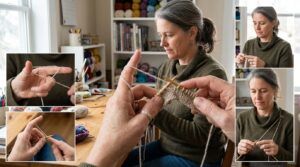
Knitting complex designs can feel rewarding, but it also requires precision. Patterns with cables, lace, and colorwork demand consistent tension. Therefore, maintaining even stitches knitting patterns require becomes essential for a polished result.
Many knitters notice uneven rows when tackling complicated designs. Tight stitches may appear next to loose loops. Consequently, the finished fabric may look inconsistent.
Fortunately, small adjustments in technique, tools, and rhythm can solve these issues. With practice, knitters learn to maintain smooth tension across every section of a pattern.
This guide explains how to create even stitches knitting patterns demand, especially when working with advanced designs. You will also learn practical tips to improve stitch consistency in every project.
Why Even Stitches Matter in Complex Patterns
Complex knitting patterns often combine several techniques. For example, lace designs require precise yarn overs, while cables involve crossing stitches. Because these elements interact, uneven tension becomes more noticeable.
First, uneven stitches distort pattern shapes. Lace holes may appear irregular, and cables may look uneven.
Second, inconsistent tension affects garment sizing. Tight sections shrink fabric, while loose areas stretch excessively.
Additionally, uneven rows make blocking more difficult. Blocking improves stitch definition, but large tension differences remain visible.
For these reasons, learning to produce even stitches knitting patterns require is essential for successful results.
Common Causes of Uneven Stitches
Understanding the source of tension issues helps knitters correct them quickly.
Changing Yarn Tension While Knitting
Many knitters unconsciously tighten their grip during challenging sections. For example, cables or lace repeats may increase hand tension.
As a result, stitches shrink slightly in those areas.
Maintaining relaxed hands helps knitters create even stitches knitting patterns need.
Switching Between Knit and Purl Stitches
Transitioning between knit and purl stitches can alter tension. Some knitters purl more tightly than they knit.
This difference creates uneven rows in ribbing or textured patterns.
Practicing balanced movements improves stitch consistency.
Incorrect Needle Size
Needles that are too small can tighten stitches. Larger needles may produce loose fabric.
Therefore, selecting the correct needle size helps maintain even stitches knitting patterns rely on.
Choosing the Right Yarn for Consistent Stitches
Yarn selection influences tension more than many knitters realize.
Smooth Yarns Improve Stitch Visibility
Smooth yarn fibers make stitches easier to see. This visibility helps knitters detect uneven tension quickly.
Wool blends and merino yarns often work well for complex patterns.
These fibers help create even stitches knitting patterns require because they glide smoothly on needles.
Avoid Highly Textured Yarn
Novelty yarns hide stitch definition. Boucle, eyelash, or fuzzy yarn makes it difficult to track tension.
Because stitches remain hidden, uneven rows often go unnoticed.
Therefore, smooth yarns usually produce better results.
Use Consistent Yarn Weight
Changing yarn weight during a project disrupts stitch balance. Always match yarn weight to the pattern instructions.
This consistency supports even stitches knitting patterns depend on.
Developing a Consistent Knitting Rhythm
Rhythm plays a significant role in tension control. Smooth, steady movements help maintain consistent stitches.
Practice Slow, Controlled Movements
Fast knitting often leads to uneven stitches. Instead, focus on controlled motions.
Pull yarn gently while forming each stitch. This method encourages balanced tension.
Gradually, your hands develop muscle memory. Over time, you will produce even stitches knitting patterns require more naturally.
Keep Yarn Feeding Consistent
Yarn should flow smoothly through your fingers. Tight wrapping around fingers may increase tension unexpectedly.
Experiment with yarn holding methods until the yarn moves freely.
Consistent yarn flow helps maintain even stitches knitting patterns depend on.
Using Stitch Markers to Maintain Pattern Accuracy
Complex patterns often contain repeated sections. Stitch markers help track these repeats clearly.
Markers divide patterns into smaller sections. This organization makes it easier to monitor stitch size and tension.
Additionally, markers prevent mistakes that lead to uneven rows.
When used properly, stitch markers support even stitches knitting patterns require for intricate designs.
They also reduce stress when working through complicated instructions.
Checking Gauge Before Starting a Project
Gauge determines how many stitches fit within a specific measurement.
Ignoring gauge leads to inconsistent fabric structure.
Create a Gauge Swatch
Before beginning a project, knit a small test square using the same yarn and needles.
Measure the number of stitches per inch.
If the gauge differs from the pattern instructions, adjust needle size.
Matching gauge improves the chances of achieving even stitches knitting patterns require.
Block the Swatch First
Blocking relaxes fibers and reveals the true stitch shape.
Measuring gauge after blocking provides more accurate results.
This preparation helps prevent uneven knitting later in the project.
Managing Tension in Cables and Lace
Advanced patterns introduce extra challenges. Cables and lace both affect yarn tension in different ways.
Handling Cable Crossings
Cable stitches often tighten yarn because stitches twist across each other.
To avoid tight sections, keep stitches slightly loose before crossing them.
This technique supports even stitches knitting patterns depend on in cable designs.
Maintaining Balance in Lace Patterns
Lace patterns combine yarn overs with decreases. These stitches must balance each other.
If yarn overs feel tight, lace holes may disappear.
Maintaining relaxed yarn tension ensures lace patterns stay open and balanced.
Consequently, knitters maintain even stitches knitting patterns require for delicate lace designs.
Improving Tension with Proper Needle Technique
Needle movement influences stitch size significantly.
Keep Needle Tips Close Together
Large gaps between needle tips stretch stitches unevenly.
Instead, keep needles close as you transfer stitches.
This position helps maintain even stitches knitting patterns need throughout the fabric.
Slide Stitches Consistently
Move stitches smoothly along the needle shaft. Avoid forcing stitches or letting them tighten near the tips.
Consistent movement promotes uniform stitch size.
Over time, these habits make it easier to create even stitches knitting patterns demand.
Taking Breaks to Maintain Consistency
Long knitting sessions can fatigue hands and reduce tension control.
When muscles tire, stitches often become tighter.
Therefore, taking short breaks improves stitch quality.
Stretch fingers, roll wrists, and relax shoulders every thirty minutes.
These small pauses help knitters maintain even stitches knitting patterns require across large projects.
Practicing with Pattern Samples
Practice improves every knitting skill. Complex patterns become easier with repetition.
Before beginning a large garment, knit a small sample of the pattern.
This sample allows you to refine tension before committing to the full project.
Repeated practice helps your hands learn the rhythm needed for even stitches knitting patterns require.
Additionally, sample swatches reveal potential tension problems early.
Conclusion
Complex knitting patterns showcase creativity and skill. However, they also require careful tension control to produce beautiful results.
Learning to create even stitches knitting patterns depend on involves more than technique alone. Yarn selection, needle size, and knitting rhythm all influence stitch consistency.
By choosing appropriate yarn, practicing steady movements, and checking gauge before starting, knitters improve their results significantly.
Furthermore, using stitch markers and taking regular breaks helps maintain balanced tension throughout a project.
With patience and practice, any knitter can develop the skills needed to produce clean, consistent stitches. Ultimately, mastering these techniques allows complex patterns to shine with clarity and precision.
FAQ
1. Why do complex knitting patterns show uneven stitches more clearly?
Intricate designs highlight tension differences because stitch shapes must align precisely for the pattern to appear correctly.
2. Can yarn choice affect stitch consistency?
Yes. Smooth yarn fibers make stitches easier to control and help knitters maintain consistent tension.
3. Do stitch markers help improve knitting accuracy?
Yes. Markers divide patterns into sections, making it easier to track repeats and monitor stitch tension.
4. How does knitting speed affect stitch tension?
Knitting too quickly often leads to inconsistent tension. Slower, controlled movements help maintain balanced stitches.
5. Should beginners practice patterns before starting a project?
Yes. Practicing pattern samples helps knitters adjust tension and identify potential mistakes early.