If you’ve ever struggled with uneven rows or inconsistent tension, your needles might be part of the problem. While technique plays a role, the tools you use matter just as much. That’s why understanding the best knitting needles even stitches depend on can completely change your results.
At first, all needles may seem similar. However, subtle differences in material, size, and shape can affect how your yarn moves and how your stitches form. Because of this, choosing the right needles helps you gain better control and consistency.
When you match your needles to your style and project, knitting becomes smoother and more enjoyable. More importantly, your stitches start to look cleaner and more uniform. Over time, this leads to more polished and professional-looking pieces.
How Needle Choice Affects Stitch Consistency
Every stitch you create depends on how smoothly your yarn moves across the needle. If the surface is too slippery, your stitches may loosen. On the other hand, if the needle grips too much, your stitches can tighten.
Because of this, the best knitting needles even stitches require should balance grip and glide. This balance allows your yarn to move freely while still giving you control.
Additionally, needle tips influence how easily you enter each stitch. Sharper tips help with precision, especially for detailed patterns. Meanwhile, blunter tips may slow you down but offer more stability.
Even the weight of the needle matters. Heavier needles can cause fatigue, which affects tension over time. Lighter needles, however, often promote smoother movement and better consistency.
Understanding Different Needle Materials
Different materials create different knitting experiences. Therefore, choosing the right one can improve your stitch consistency significantly.
Metal needles are known for their smooth surface. They allow yarn to glide quickly, which can increase speed. However, they may be too slippery for beginners or those who struggle with loose tension.
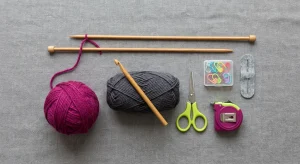
Wooden needles offer more grip. This makes them ideal for controlling stitches and maintaining even tension. For many knitters, the best knitting needles even stitches require are often made of bamboo or wood because of this balance.
Plastic needles fall somewhere in between. They provide moderate grip and are often lightweight. While they may not be as durable, they can still support consistent stitching.
Each material has its benefits. Therefore, experimenting with different types can help you find what works best for your style.
Needle Size and Its Impact on Tension
Needle size plays a direct role in how your stitches look and feel. Larger needles create bigger, looser stitches. Smaller needles produce tighter, more compact stitches.
If your stitches appear uneven, adjusting your needle size may help. This is why the best knitting needles even stitches depend on are not just about material but also size.
Using the correct size for your yarn ensures better tension control. Additionally, it helps your stitches align more consistently across rows.
It’s also important to note that different knitters hold yarn differently. Therefore, your ideal needle size may differ from the pattern’s suggestion. Testing and adjusting can make a noticeable difference.
Straight vs Circular Needles for Better Control
The type of needle you choose also affects your knitting experience. Straight needles are traditional and easy to use for flat projects. However, they can feel bulky, especially for larger pieces.
Circular needles, on the other hand, distribute weight more evenly. This reduces strain on your hands and allows for smoother movement. As a result, many knitters find them helpful for maintaining consistent tension.
In fact, some consider circular needles among the best knitting needles even stitches benefit from, especially during long sessions. Their flexibility supports better rhythm and reduces fatigue.
Ultimately, the choice depends on your comfort and project type. However, exploring different options can help improve your results.
Tip Shape and Precision in Stitch Formation
Needle tips may seem like a small detail, yet they have a big impact on stitch accuracy. Pointed tips allow you to enter stitches more precisely. This is especially useful for intricate patterns or tight stitches.
Blunter tips, however, can help prevent splitting yarn. They offer more control, particularly for beginners.
The best knitting needles even stitches require often have a balanced tip. This means they are sharp enough for precision but not so sharp that they cause mistakes.
Finding the right tip shape can improve both speed and consistency. Over time, this leads to smoother and more uniform stitches.
Why Comfort Matters for Consistency
Comfort plays a major role in how consistent your stitches are. If your hands feel strained, your tension will likely change. This can lead to uneven rows and inconsistent patterns.
Lightweight needles reduce fatigue and allow for longer knitting sessions. Additionally, ergonomic designs can improve hand positioning and control.
When your hands feel relaxed, your movements become more fluid. As a result, the best knitting needles even stitches depend on are those that feel comfortable in your hands.
Choosing comfortable tools helps you maintain a steady rhythm. This is essential for achieving consistent results.
Matching Needles to Yarn Type
Different yarns behave differently. Therefore, matching your needles to your yarn is essential for even stitches.
Slippery yarns, such as silk or acrylic blends, often work better with grippier needles like wood or bamboo. This prevents stitches from sliding too easily.
Meanwhile, textured yarns may benefit from smoother needles. Metal needles can help these yarns glide more easily, improving consistency.
Understanding this relationship allows you to choose the best knitting needles even stitches rely on for each project. As a result, your knitting becomes more adaptable and precise.
Building Consistency Through Practice and Tools
While tools are important, consistency also comes from practice. The more you knit, the more your hands develop a natural rhythm.
However, using the right needles can speed up this process. When your tools support your technique, your stitches become more uniform.
By combining practice with the best knitting needles even stitches depend on, you create a strong foundation for improvement. Over time, your projects will reflect this progress.
Additionally, paying attention to your technique helps reinforce good habits. Small adjustments can lead to noticeable improvements in your results.
Common Mistakes When Choosing Needles
Many knitters choose needles based on availability rather than suitability. While this may work initially, it can limit your progress.
One common mistake is using needles that are too slippery or too grippy for your yarn. This can make it harder to maintain consistent tension.
Another mistake is ignoring comfort. Heavy or poorly designed needles can cause fatigue, which affects your stitches.
Additionally, sticking to one type of needle for all projects may not yield the best results. Different projects require different tools.
By avoiding these mistakes, you can better identify the best knitting needles even stitches require for each situation.
How the Right Needles Improve Your Results
When you choose the right needles, everything feels easier. Your stitches become more even, your tension stabilizes, and your overall experience improves.
This is because the right tools support your natural movements. Instead of working against you, they enhance your technique.
As a result, the best knitting needles even stitches depend on help you achieve smoother and more consistent results. Over time, this leads to greater confidence and satisfaction in your work.
Moreover, improved consistency reduces the need for corrections. This allows you to focus more on creativity and less on fixing mistakes.
Conclusion
Knitting is a combination of skill, rhythm, and the right tools. While technique develops over time, your choice of needles can make an immediate difference.
That’s why finding the best knitting needles even stitches depend on is so important. The right material, size, and design can help you maintain consistent tension and improve your results.
By understanding how each factor affects your knitting, you gain more control over your work. As a result, your projects become more polished and enjoyable to create.
In the end, the goal is not just to knit but to knit well. With the right needles and consistent practice, you can achieve smooth, even stitches every time.
FAQ
- What type of needles are best for beginners?
Wooden or bamboo needles are often easier to control and help maintain even tension. - Do metal needles make stitches uneven?
Not necessarily, but they can be slippery, which may affect tension if you’re not careful. - How do I know if my needle size is correct?
Check your gauge against the pattern. Adjust the size if your stitches are too tight or loose. - Are circular needles better than straight ones?
Circular needles often provide better weight distribution and can improve comfort during long sessions. - Can changing needles fix uneven stitches?
Yes, using the right material and size can help improve tension and consistency.