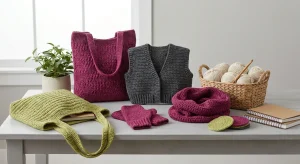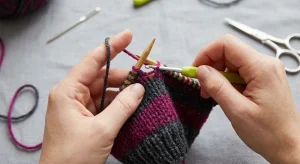
Many knitters search for ways to make their projects stand out. One powerful option is using hand dyed yarn knitting techniques. Hand-dyed yarn adds depth, color variation, and character that factory-produced yarn often lacks.
Unlike mass-produced yarn, hand-dyed fibers contain subtle tonal shifts. These shifts create movement within the knitted fabric. As a result, even simple patterns appear more dynamic and artistic.
Additionally, artisan dyers carefully craft color combinations. This attention to detail produces yarn that feels unique and inspiring.
Because of these qualities, many knitters turn to hand-dyed yarn when they want projects to feel special. Whether you are knitting sweaters, shawls, or accessories, the right yarn can transform the entire result.
Understanding how artisan yarn works will help you unlock its creative potential.
What Makes Hand-Dyed Yarn Unique
Mass-produced yarn typically uses automated dyeing systems. These systems create consistent colors but often lack visual complexity.
In contrast, hand dyed yarn knitting relies on small-batch dyeing processes. Dyers apply color by hand using techniques such as immersion dyeing, kettle dyeing, or hand painting.
Because humans control the process, each skein becomes slightly different. These variations create beautiful color shifts across the finished fabric.
Another benefit involves dye layering. Artisan dyers often apply several colors to one skein. Consequently, the yarn develops depth that cannot be replicated by factory machines.
Furthermore, many dyers experiment with creative color palettes. They draw inspiration from landscapes, seasons, or art.
These unique characteristics allow knitters to produce truly one-of-a-kind projects.
Color Variation Adds Visual Interest
Color variation plays a major role in hand dyed yarn knitting. Instead of appearing flat, the yarn produces subtle gradients and tonal movement.
When knitted into fabric, these variations create organic patterns. Even simple stitches develop texture and depth.
For example, stockinette stitch may appear basic with solid yarn. However, hand-dyed yarn can make the same stitch pattern look vibrant and complex.
Additionally, color variation enhances textured stitches. Cables, lace, and ribbing often appear more dramatic with artisan yarn.
Another advantage involves color transitions. Gradual shifts across rows create visual flow throughout the project.
As a result, knitters achieve sophisticated results without complicated patterns.
Artisan Yarn Encourages Creativity
Creative inspiration often begins with beautiful materials. Many knitters find that hand dyed yarn knitting sparks new project ideas.
When browsing hand-dyed yarn collections, knitters encounter unexpected color combinations. These combinations may inspire shawls, scarves, or statement sweaters.
Additionally, color-rich yarn works well with simple patterns. Because the yarn provides visual interest, knitters do not need overly complex designs.
This simplicity allows more focus on texture and drape.
Furthermore, artisan yarn encourages experimentation. Knitters often explore colorwork, fading techniques, or gradient transitions.
Creative freedom grows when the yarn itself becomes part of the design process.
Therefore, many knitters consider hand-dyed yarn both a material and an artistic inspiration.
Quality Fibers Improve the Knitting Experience
Many hand-dyed yarn producers prioritize high-quality fiber bases. As a result, hand dyed yarn knitting often feels smoother and more enjoyable.
Common fiber bases include merino wool, alpaca, silk blends, or cashmere. These materials offer softness and durability.
Additionally, premium fibers hold dye exceptionally well. Colors appear vibrant and long-lasting.
Another advantage involves stitch definition. High-quality yarn allows stitches to form clearly.
This clarity becomes especially important when knitting textured patterns such as cables or lace.
Furthermore, many artisan dyers source yarn ethically. They often work with small farms or sustainable fiber suppliers.
These factors enhance both the knitting experience and the final project quality.
Supporting Independent Fiber Artists
One overlooked benefit of hand dyed yarn knitting involves supporting small creative businesses.
Many hand-dyed yarn companies operate as independent studios. Artists design and dye each skein individually.
When knitters purchase artisan yarn, they support these creative entrepreneurs. In addition, small businesses often experiment with new dye techniques.
These experiments lead to innovative color palettes and yarn styles.
Another advantage involves community connection. Many dyers share their work online through fiber communities and craft markets.
Because of this connection, knitters gain insight into the creative process behind each skein.
Supporting independent dyers also helps preserve traditional craft techniques within the fiber arts industry.
How to Choose the Right Hand-Dyed Yarn
Although beautiful, artisan yarn requires thoughtful selection. Choosing the right skeins improves the success of hand dyed yarn knitting projects.
First, consider color distribution. Some yarns feature subtle tonal shifts, while others display bold contrasts.
Subtle yarn works well for complex patterns. Meanwhile, highly variegated yarn suits simple designs.
Second, examine fiber content. Wool provides elasticity and warmth. Silk blends offer shine and drape.
Third, purchase enough yarn from the same dye lot when possible. Because hand-dyed skeins vary, dye lots help maintain consistency.
Another helpful practice involves alternating skeins while knitting. This technique blends color transitions more evenly.
By selecting yarn carefully, knitters achieve smoother and more balanced results.
Managing Color Pooling and Variations
Color pooling occurs when dye patterns repeat across rows. Sometimes pooling creates dramatic effects, but other times it may look uneven.
Fortunately, several strategies improve hand dyed yarn knitting outcomes.
One method involves alternating skeins every few rows. This technique blends color variations across the fabric.
Another strategy includes using patterns that break up color repeats. Textured stitches or slipped stitches often reduce pooling.
Additionally, changing needle size may alter pooling patterns slightly.
Instead of viewing color variation as a flaw, many knitters embrace it as part of the yarn’s character.
When used thoughtfully, color pooling can create artistic visual effects.
Best Projects for Hand-Dyed Yarn
Certain projects highlight the beauty of hand dyed yarn knitting particularly well.
Shawls
Shawls showcase color transitions beautifully. Large surfaces allow yarn colors to flow naturally across the fabric.
Many knitters use gradient or tonal yarn for shawl designs.
Scarves
Scarves provide an excellent introduction to artisan yarn. Simple stitch patterns allow color variations to shine.
Sweaters
Hand-dyed yarn can transform sweaters into statement garments.
Many knitters alternate skeins across rows to ensure balanced color distribution.
Socks
Sock yarn often features bold dye patterns. These vibrant colors make small projects exciting and unique.
Each project benefits from the artistic qualities of hand-dyed fiber.
Tips for Working With Artisan Yarn
Working with hand-dyed yarn requires a slightly different approach.
First, always examine the skein before starting. Look for color transitions or repeating patterns.
Second, wind yarn into a cake before knitting. This step prevents tangling and reveals color shifts.
Third, test the yarn with a gauge swatch. Swatches show how colors behave within the stitch pattern.
Fourth, alternate skeins when knitting large projects.
Finally, embrace small variations. These variations define the beauty of hand dyed yarn knitting.
Instead of striving for perfect uniformity, allow the yarn’s personality to shine through the project.
Conclusion
Choosing the right yarn can transform an ordinary knitting project into a work of art. Hand-dyed yarn offers color depth, texture, and individuality that factory yarn rarely provides.
Through hand dyed yarn knitting, knitters gain access to rich color variations and artisan craftsmanship. These qualities elevate both the creative process and the final product.
Additionally, working with artisan yarn encourages experimentation and personal expression. The yarn itself becomes part of the design story.
Supporting independent dyers also strengthens the fiber arts community. Every skein reflects skill, creativity, and dedication.
Ultimately, hand-dyed yarn allows knitters to create pieces that feel unique and meaningful. With thoughtful project selection and careful knitting techniques, these vibrant fibers can elevate every handmade creation.
FAQ
1. What makes artisan yarn different from regular yarn?
Artisan yarn is dyed in small batches by hand. This process creates subtle color variations that make each skein unique.
2. Is hand-dyed yarn suitable for beginner knitters?
Yes. Beginners can start with simple patterns so the yarn’s natural color variation becomes the main visual feature.
3. Why do some projects show color pooling?
Pooling occurs when repeating dye patterns align with stitches. Alternating skeins or changing stitch patterns often reduces this effect.
4. Are hand-dyed yarns more expensive than regular yarns?
Artisan yarn usually costs more because dyers produce it in small batches using premium fibers and detailed dye techniques.
5. What projects work best with artisan yarn colors?
Shawls, scarves, socks, and sweaters often highlight color variations beautifully, making them ideal choices for artisan yarn.