Knitting is relaxing, creative, and deeply rewarding. But it also involves repetitive motions that can strain your hands, wrists, and shoulders if you overdo it. So, how long can you knit without hurting your joints? The answer depends on your body, your tools, and how you approach your craft. With the right strategies, you can enjoy longer, pain-free knitting sessions.
The Role of Repetition in Knitting
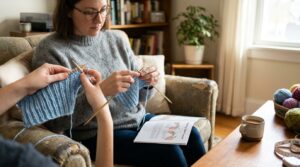
Knitting works small joints over and over. Fingers grip yarn and needles, wrists rotate, and shoulders hold posture. Without breaks, these motions lead to tension, stiffness, or even injury. Recognizing your limits helps you stay healthy while enjoying your projects.
Average Safe Knitting Time
Short Sessions Are Best
Most knitters can work for 20–30 minutes at a time without discomfort. After that, stiffness may set in.
Experienced Knitters May Last Longer
With practice, good posture, and ergonomic tools, some knitters can comfortably knit for 45–60 minutes before needing a break.
Listen to Your Body
The real answer to how long you can knit safely? Until your body says stop. Pain or tingling is a sign to rest.
Factors That Affect Knitting Time
Posture and Ergonomics
Sitting hunched over shortens safe knitting time. A supportive chair and proper posture extend it.
Needle and Yarn Choice
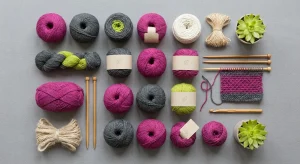
Lightweight needles and smooth yarn reduce strain, helping you knit longer without discomfort.
Hand Strength and Health
People with arthritis or joint issues may need more frequent breaks. Strong, healthy joints handle longer sessions.
Environmental Conditions
Cold hands stiffen quickly. Warmth extends knitting comfort and prevents joint pain.
Tips to Knit Longer Without Pain
Take Scheduled Breaks
Set a timer for every 20–30 minutes. Stand, stretch, and move before returning to your project.
Do Hand and Wrist Exercises
Stretch fingers, rotate wrists, and shake out tension to reset your joints.
Use Ergonomic Needles
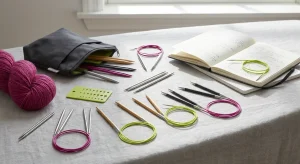
Circular needles distribute weight better. Cushioned grips and smooth joins ease hand strain.
Keep Hands Warm
Fingerless gloves, warm compresses, or simply knitting in a cozy room keep circulation flowing.
Relax Your Grip
Think of holding a feather—not too tight. A gentle grip prevents stress on your fingers and wrists.
How to Spot When It’s Time to Stop
- Aching or stiffness in fingers.
- Tingling or numbness in hands.
- Sharp pain in wrists or elbows.
- Swelling around joints.
If these appear, stop immediately and rest. Ignoring them can turn temporary discomfort into long-term issues.
Images for Guidance
Alt text: Knitter taking a break to stretch hands during a knitting session.
Alt text: Fingerless gloves help knitters extend sessions without joint pain.
Lifestyle Habits That Support Longer Knitting
- Stay hydrated to support joint health.
- Eat foods rich in omega-3s and antioxidants.
- Include gentle exercises like yoga or walking to strengthen joints.
Conclusion
So, how long can you knit without hurting your joints? For most people, 20–30 minutes per session is safe, with short breaks to reset your body. Over time, you may extend your knitting comfort with better tools, posture, and habits. The key is to listen to your body. By respecting your limits, you’ll keep knitting enjoyable and pain-free for years to come.
FAQ
1. How long should I knit at a time?
Aim for 20–30 minutes, then take a short break to stretch and rest.
2. Can I knit for hours if I feel fine?
It’s possible, but risky. Breaks prevent strain even if you don’t feel pain immediately.
3. What tools help reduce knitting strain?
Circular needles, ergonomic grips, and lightweight yarns extend knitting comfort.
4. How do I know if I’ve over-knitted?
Pain, swelling, or tingling in joints means you’ve gone too far.
5. Can exercises help me knit longer?
Yes. Hand, wrist, and shoulder stretches improve endurance and reduce pain risk.