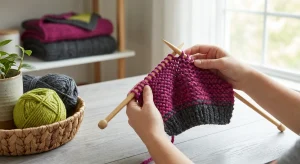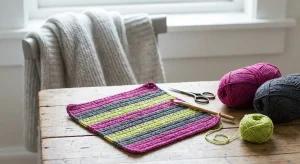
Achieving even tension in knitting is one of the most important skills every knitter must learn. When stitches stay consistent, projects look smoother and more professional. However, beginners often struggle with uneven rows or inconsistent stitch sizes.
Fortunately, tension improves with the right techniques and practice. By understanding how yarn moves through your hands, you gain better control over each stitch. In addition, proper tools and posture can make a significant difference.
Many knitters assume tension problems come from lack of experience. While practice helps, small adjustments often solve the issue quickly. With patience and awareness, anyone can develop consistent stitch control.
In this guide, you will learn proven methods that help knitters achieve beautiful and reliable results.
Why Tension Matters in Knitting
Tension determines how tight or loose each stitch becomes. When stitches vary in size, the finished fabric looks uneven. Consequently, the project may stretch unpredictably or lose its intended shape.
Maintaining even tension in knitting ensures that each stitch matches the surrounding ones. As a result, the final fabric feels balanced and stable.
Consistent tension also affects sizing. For garments especially, uneven stitches can alter measurements. A sweater may become too tight in some areas and loose in others.
Another advantage involves stitch definition. When tension remains consistent, textures like cables or lace appear clearer.
Furthermore, proper tension helps yarn flow smoothly through the hands. This reduces fatigue during long knitting sessions.
Although tension takes time to master, learning the fundamentals greatly improves knitting confidence.
Understanding How Yarn Tension Works
Before improving tension, it helps to understand how yarn moves during knitting. Yarn travels through the fingers, around the needle, and into each stitch.
Because of this movement, several factors influence even tension in knitting.
Grip Pressure
Gripping needles too tightly can tighten stitches excessively. Conversely, loose grip may create overly large stitches.
Finding a relaxed grip allows yarn to flow naturally.
Yarn Feeding Method
Different knitters hold yarn differently. Some wrap yarn around fingers for control. Others allow yarn to glide more freely.
Experimenting with different feeding styles helps identify what works best.
Needle Movement
Smooth needle motion improves stitch consistency. Jerky or rushed movements often create uneven stitches.
Therefore, practicing slow and controlled knitting builds better habits.
Understanding these factors makes it easier to adjust tension when problems appear.
Techniques That Improve Stitch Consistency
Developing even tension in knitting requires simple but effective habits. Many experienced knitters rely on the following techniques.
Relax Your Hands
Relaxation improves control immediately. When the hands stay relaxed, yarn moves smoothly across the needles.
Tension in the hands often transfers directly into the stitches.
Maintain a Steady Rhythm
Knitting rhythm helps keep stitches consistent. Working at a steady pace prevents accidental tightening.
However, speed should come naturally over time. Focus on smooth movements rather than rushing.
Control Yarn With Your Fingers
Wrapping yarn lightly around one or two fingers improves tension control.
This technique allows you to adjust yarn flow without gripping the yarn tightly.
Avoid Pulling After Each Stitch
Some knitters pull the yarn tightly after every stitch. Unfortunately, this habit creates uneven fabric.
Instead, allow the needle size to determine stitch width.
Practicing these techniques consistently strengthens muscle memory and improves stitch quality.
Choosing the Right Knitting Needles
Tools also influence even tension in knitting. Needle material and shape affect how yarn behaves during stitching.
Different knitters prefer different tools, so experimenting helps identify the best option.
Bamboo Needles
Bamboo needles create natural friction. Because of this texture, yarn moves slowly across the needle.
This slower movement helps beginners maintain control.
Metal Needles
Metal needles allow yarn to glide quickly. Experienced knitters often prefer them for faster knitting.
However, beginners may find them slightly slippery.
Circular Needles
Circular needles distribute project weight more evenly. Consequently, hands experience less strain during large projects.
Less strain often leads to smoother stitch control.
Selecting comfortable tools supports the development of even tension in knitting over time.
The Importance of Proper Yarn Choice
Yarn type also affects tension control. Some yarns behave differently during knitting.
For example, wool yarn offers natural elasticity. This stretch helps stitches bounce back into shape.
Because of this flexibility, wool works well when practicing even tension in knitting.
Cotton yarn, on the other hand, has less elasticity. It may highlight tension inconsistencies more clearly.
Beginners often benefit from medium-weight yarns. These yarns make stitches easier to see and control.
Additionally, smooth yarn textures allow stitches to form more predictably.
Choosing beginner-friendly yarn improves learning speed and confidence.
Practice Methods That Strengthen Tension Control
Consistent practice remains the best way to improve knitting tension. However, certain exercises accelerate progress.
When practicing even tension in knitting, focus on building muscle memory rather than speed.
Knit Practice Squares
Small practice squares allow knitters to concentrate solely on stitch consistency.
Because the project remains simple, attention stays on tension rather than pattern complexity.
Try Different Stitch Patterns
Alternating between knit and purl stitches improves control.
Patterns such as ribbing or seed stitch reveal tension problems quickly.
Observe Your Stitches
Looking closely at stitches helps identify inconsistencies early.
If one row appears tighter, adjust your grip during the next row.
Repetition Builds Confidence
Repeated practice trains hand movements automatically.
Eventually, the hands learn how to maintain even tension in knitting without conscious effort.
Patience during practice sessions leads to noticeable improvement.
Common Tension Problems and How to Fix Them
Even experienced knitters sometimes encounter tension issues. Fortunately, most problems have simple solutions.
Tight Stitches
Tight stitches make it difficult to move the needle through loops.
To fix this, relax your grip and avoid pulling yarn after each stitch.
Loose Stitches
Loose stitches may create gaps in the fabric.
Using smaller needles often helps tighten the structure.
Uneven Rows
Sometimes knit rows look different from purl rows.
This issue occurs frequently in stockinette stitch.
Practicing balanced movements helps maintain even tension in knitting across both stitch types.
Edge Stitch Problems
Edges may appear loose or stretched.
Slipping the first stitch of each row often creates cleaner edges.
Addressing these problems early prevents larger issues in finished projects.
Helpful Tools for Maintaining Consistency
Certain accessories help knitters maintain better tension control.
These tools support the development of even tension in knitting during long projects.
Stitch Markers
Stitch markers track pattern sections and prevent mistakes.
With fewer mistakes, knitters maintain smoother rhythm.
Yarn Guides
Yarn guides help control yarn flow across the fingers.
These tools reduce the effort needed to maintain tension.
Knitting Tension Rings
Tension rings sit on the finger and regulate yarn movement.
They offer consistent yarn feeding for many knitters.
Project Bags
Project bags keep yarn organized and prevent tangles.
Smooth yarn flow reduces interruptions that disrupt knitting rhythm.
Using these tools together creates a comfortable and efficient knitting environment.
Building Long-Term Knitting Consistency
Achieving even tension in knitting becomes easier with experience. However, consistency improves faster with mindful habits.
First, focus on relaxation. Tension in the hands often causes stitch irregularities.
Second, maintain steady breathing and comfortable posture.
Third, avoid comparing your progress with others. Every knitter develops tension control at their own pace.
Additionally, regularly checking gauge helps confirm stitch consistency. Gauge swatches reveal tension patterns before beginning larger projects.
Over time, knitters develop a natural rhythm. Eventually, hands automatically produce consistent stitches.
By practicing these habits regularly, knitters build reliable techniques that support every future project.
Conclusion
Consistent stitches transform knitting projects from average to professional-looking creations. Although beginners often struggle with uneven stitches, improvement happens quickly with the right techniques.
Understanding how yarn flows through the hands provides the foundation for success. When knitters practice relaxed movements and steady rhythm, tension improves naturally.
Tools, yarn choices, and needle types also influence stitch consistency. By selecting comfortable equipment and suitable materials, knitters make learning easier.
Most importantly, patience remains essential. Mastering even tension in knitting takes time, but the results are worth the effort.
With practice, awareness, and supportive tools, knitters can achieve smooth fabric and beautiful stitch definition. Over time, consistent tension becomes second nature, allowing creativity and enjoyment to flourish in every project.
FAQ
1. Why do my knitting stitches look uneven?
Uneven stitches usually occur because of inconsistent yarn tension or gripping the needles too tightly.
2. How can beginners improve stitch consistency quickly?
Practice simple swatches while focusing on relaxed hand movements and steady knitting rhythm.
3. Does needle size affect knitting tension?
Yes. Larger needles create looser stitches, while smaller needles tighten the fabric.
4. What yarn is best for practicing knitting control?
Medium-weight wool yarn works well because it offers elasticity and clear stitch definition.
5. How long does it take to develop consistent knitting tension?
Most knitters notice improvement after several projects and regular practice sessions.