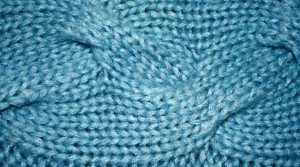
In a world that constantly demands our attention, finding genuine moments of calm can be challenging. Many are discovering the profound benefits of crochet for stress relief, turning to the simple, rhythmic act of hooking yarn as a powerful antidote to daily pressures. It’s more than just a hobby; it’s a pathway to mindfulness and a tangible way to improve mental well-being.
The therapeutic power of crafting is increasingly recognized. For instance, over 70% of crafters report that their craft helps them relax and provides a vital creative outlet. The repetitive movements involved in crocheting are often likened to meditation, stimulating dopamine production and helping to reduce anxiety and improve mood. This isn’t just a trend; it’s a testament to the innate human need for creative expression and focused, calming activity.
The Calming Rhythm of Crochet for Stress Relief
Why does crocheting resonate so deeply as a stress-reducing activity? It’s all about engagement, focus, and the satisfaction of creation. Furthermore, the tactile nature of yarn and hook adds to the sensory experience, grounding you in the present moment.
Why Crochet Works: Focus and Flow State
Crochet demands just enough concentration to divert your mind from worries without becoming overly complex. The act of forming stitches, counting rows, and watching your fabric grow can lead to a ‘flow state’ – a feeling of complete immersion and enjoyment in an activity. This state is incredibly restorative, allowing your mind to switch off from external stressors and focus solely on the present moment. This focused attention helps quiet intrusive thoughts and provides a mental reset.
Reducing Screen Time, Increasing Self-Care
In an era dominated by screens, crocheting offers a welcome reprieve. Swapping screen time for hook time is a conscious act of self-care. It encourages you to slow down, engage your hands, and connect with a tactile experience. This shift can significantly reduce digital fatigue and create a healthier balance in your daily routine, contributing to overall mental wellness. Indeed, many find that a few minutes of crafting can be more rejuvenating than hours spent scrolling.
Mindful Crochet Techniques to Try
To truly harness the power of crochet for stress relief, integrate mindful practices into your crafting session. It’s about being present with your hook and yarn. Therefore, setting the right environment is crucial.
Choose Your Sanctuary: Setting the Scene
Create a dedicated space for your crochet. It doesn’t need to be elaborate – a comfortable chair by a window, a clean table, or even just a cozy corner. Ensure good lighting and minimize distractions. Consider soft background music or simply enjoy the quiet. This intentional setup signals to your mind that it’s time to relax. Consequently, you’ll find it easier to enter a state of calm.
Selecting Soothing Yarns and Hooks
The materials you choose can enhance your mindful experience. Opt for soft, natural fibers that feel pleasant against your skin. Organic cotton, alpaca, or even a smooth recycled yarn can add to the tactile pleasure of crocheting. The global sustainable yarn market is booming, projected to reach USD 10.1 billion by 2033, so you’ll find an abundance of eco-friendly and luxurious options. Smooth, comfortable crochet hooks also make a significant difference, ensuring your hands are relaxed and your stitches glide effortlessly. The right tools can truly elevate your experience.
Embracing the Process, Not Just the Product
While creating a beautiful finished item is rewarding, the true benefit of stress-reducing crochet lies in the process itself. Try to release the pressure of perfection. Instead, focus on the rhythm of your hands, the feel of the yarn, and the formation of each stitch. If a mistake happens, view it as an opportunity to practice patience or simply embrace the unique character it adds to your piece. This shift in perspective is a cornerstone of mindful crafting.
The Science Behind Crochet’s Calming Effect
Beyond anecdotal evidence, there’s growing scientific interest in how crafting activities like crochet impact the brain and mental health. Notably, research suggests that such repetitive, creative tasks can have measurable physiological and psychological benefits.
Neurochemical Release and Brain Activity
When you engage in repetitive, rhythmic activities like crocheting, your brain releases neurochemicals such as serotonin and dopamine. These neurotransmitters are known to regulate mood, reduce anxiety, and promote feelings of well-being. Moreover, the focused attention required can lead to changes in brainwave patterns, moving from a more active beta state to a calmer alpha state, similar to what occurs during meditation. This helps explain why many feel a sense of peace while working on their projects.
A Sense of Accomplishment and Self-Efficacy
Completing a crochet project, no matter how small, provides a tangible sense of accomplishment. This feeling of mastery and productivity can significantly boost self-esteem and self-efficacy. For example, finishing a simple scarf or a small coaster reinforces your ability to create and complete tasks, counteracting feelings of helplessness or overwhelm that often accompany stress. This positive feedback loop encourages continued engagement with the craft.
Practical Tips for Integrating Crochet for Stress Relief into Your Routine
Making crochet a regular part of your self-care routine doesn’t require hours of dedicated time. Even short, consistent sessions can yield significant benefits for managing stress.
Start Small and Simple
If you’re new to crochet, begin with simple projects. Learning basic crochet stitches like a chain, single crochet, or double crochet is an excellent starting point. A simple dishcloth, a plain scarf, or even just practicing rows of stitches can be incredibly soothing. The goal is to enjoy the process, not to create a masterpiece immediately. There are many beginner-friendly crochet patterns available that can guide you.