So you’ve learned to cast on, knit, and maybe even purl – congratulations! Now comes the truly exciting part: making something real. Finding easy first knitting projects can be the key to building confidence and enjoying your new hobby right from the start. Nothing beats the satisfaction of completing your first handmade item. At Knit n Style, we believe in celebrating every stitch. This sense of accomplishment and self-expression is a significant driver in the crafting world. For instance, Michaels notes increased engagement from younger customers, driven by the proven mental health benefits and social aspects of making things by hand. Let’s dive into some perfect quick wins that will have you beaming with pride.
The Humble Washcloth: Your First Garter Stitch Masterpiece
A washcloth is the quintessential beginner project. It’s small, functional, and forgiving. You’ll primarily use the knit stitch, creating garter stitch fabric. This is perfect for practicing tension and consistent stitches without the pressure of complex shaping. Thus, it’s a fantastic starting point.
- Skills practiced: Casting on, knit stitch, binding off.
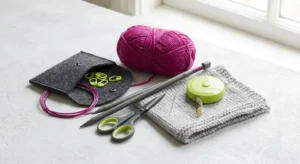
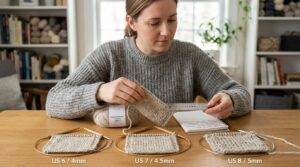
- What you’ll need: One skein of cotton worsted weight yarn (cotton is absorbent and machine washable) and knitting needles appropriate for your yarn (e.g., US size 7 or 8 / 4.5 or 5 mm). You can find excellent options for the best set of knitting needles to get started.
- Quick Guide: Cast on about 30-40 stitches. Knit every row until the piece is square or your desired length. Bind off. That’s it! You’ll have a practical item that showcases your new skills. Furthermore, it’s a great gift idea.
The Simple Scarf: A Canvas for Basic Stitches
Scarves offer a larger canvas for practicing consistency, and they’re incredibly versatile. You can stick to garter stitch, or if you’re feeling adventurous, try alternating knit and purl rows to create ribbing or stockinette stitch. Consequently, you can explore different textures.
- Skills practiced: Casting on, knit stitch, purl stitch (optional), binding off, maintaining consistent edges.
- What you’ll need: 2-3 skeins of worsted weight yarn (wool or acrylic are cozy choices) and knitting needles appropriate for your yarn.
- Quick Guide: Cast on 20-30 stitches. Knit every row for a garter stitch scarf, or alternate knit and purl rows for a different texture. Continue until the scarf is your desired length, usually 60-70 inches for an adult. Bind off. This project allows for beautiful self-expression through color and texture.
Coasters: Tiny Projects, Big Impact
Coasters are fantastic for using up leftover yarn and getting quick gratification. They’re even smaller than washcloths. This makes them ideal for trying out new stitches or practicing your binding off technique repeatedly. Therefore, they are excellent for skill reinforcement.
- Skills practiced: Casting on, knit stitch, binding off, creating small, uniform squares.
- What you’ll need: Small amounts of worsted weight cotton yarn (various colors are fun!) and knitting needles.
- Quick Guide: Cast on 20-25 stitches. Knit every row for a garter stitch coaster. When it measures about 4×4 inches, bind off. Repeat to make a set. These little projects are perfect for gifts or brightening your own home.
Headbands and Ear Warmers: Wearable Beginner Knitting Projects
Moving on to wearables, headbands and ear warmers are excellent small projects. They introduce the concept of knitting in the round if you’re ready, but can also be made flat and seamed. This offers flexibility for beginners. Moreover, they are quick to finish.
- Why they’re great: These items are practical and can be completed in just a few hours. They allow you to practice maintaining an even fabric and experimenting with simple stitch patterns.
- Skills practiced: Casting on, knit stitch, purl stitch, binding off, seaming (if made flat) or knitting in the round (optional).
- What you’ll need: One skein of worsted weight yarn (wool or acrylic) and appropriate knitting needles. If knitting in the round, circular needles are necessary.
- Quick Guide (Flat): Cast on enough stitches to achieve a width of 4-6 inches. Knit in garter stitch or a simple rib stitch (K1, P1 repeated) until the piece fits comfortably around your head. Bind off and seam the ends together. This is another example of easy first knitting projects.
Simple Dishcloths: Beyond Garter Stitch
While similar to washcloths, dishcloths can be a step up. You can experiment with different cotton yarns and simple textures. For example, try a seed stitch or moss stitch. These small items are perfect for practicing new stitch patterns without a large commitment. They truly are among the best beginner knitting projects.
- Why they’re great: They are functional and quick to make. You can try out new techniques on a small scale. This builds confidence for larger endeavors.
- Skills practiced: Casting on, knit stitch, purl stitch, creating simple textures, binding off.
- What you’ll need: One skein of cotton worsted weight yarn and appropriate knitting needles.
- Quick Guide: Cast on 35 stitches. Work in seed stitch (K1, P1, repeating, then P1, K1 on the next row) or moss stitch until the cloth is square. Bind off. You’ll love having these handmade items in your kitchen.
Beyond the Basics: Preparing for More Complex Knitting Projects
Once you’ve mastered these easy first knitting projects, you’ll feel ready for more. Consider exploring Knitting Stitches for Beginners to expand your repertoire. You might also want to learn about All You Need to Know About Knitting Patterns to tackle more intricate designs. Remember, every master knitter started with simple stitches and projects. The journey of learning is continuous and rewarding.
Building your skills incrementally is key. Don’t rush into complex patterns. Instead, take your time and enjoy the process of creating. Each completed project, no matter how small, adds to your confidence and skill set. In fact, many experienced knitters still enjoy making these types of simple, gratifying items. They are perfect for relaxing or trying out new yarns.
Understanding Yarn and Needles: Essential Tools for Beginner Knitting Projects
Choosing the right yarn and needles is crucial for success, especially with easy first knitting projects. For beginners, worsted weight yarn is often recommended. It’s easy to handle and readily available. Cotton, acrylic, and wool blends are all good choices, depending on your project’s purpose. For example, cotton is great for washcloths and dishcloths due to its absorbency. Acrylic is budget-friendly and easy to care for, while wool offers warmth and elasticity.
Similarly, selecting the correct knitting needles makes a big difference. Straight needles are ideal for flat projects like scarves and washcloths. Circular needles, however, are versatile. They can be used for flat knitting and are essential for knitting in the round, such as for hats or seamless headbands. Our guide on You won’t Get Far with Your Next Project Without the Best Set of Knitting Needles offers more detailed advice. Furthermore, practicing with different needle materials, like bamboo or metal, can help you find what feels best in your hands.
Maintaining Motivation: The Joy of Finishing Beginner Knitting Projects
One of the biggest motivators in any craft is seeing your progress. Finishing these simple knitting projects provides that instant gratification. It reinforces your learning and encourages you to continue. Keep your first few projects, even if they aren’t perfect. They serve as a wonderful reminder of how far you’ve come. The sense of accomplishment is truly empowering.
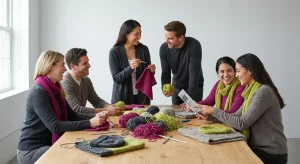
Remember, knitting is a journey, not a race. There will be dropped stitches and tangled yarn. These are all part of the learning curve. Embrace the imperfections. Each mistake is an opportunity to learn and improve. Moreover, sharing your progress with others in the knitting community can provide encouragement and inspiration. Many online forums and local groups offer a supportive environment for beginners. For further inspiration, consider exploring resources like the Craft Yarn Council for more patterns and tips.
Expanding Your Horizons: What Comes After Easy First Knitting Projects?
After you’ve successfully completed several easy first knitting projects, you might wonder what’s next. Perhaps a simple hat, a small blanket, or even a basic sweater. The possibilities are endless. Don’t be afraid to challenge yourself with slightly more complex patterns. However, always choose a project that excites you. This will keep your motivation high. Many knitters find joy in creating gifts for loved ones, which adds another layer of purpose to their crafting.
Consider exploring colorwork with stripes or simple intarsia patterns. You could also learn to read charts, which opens up a whole new world of design. Another exciting step is learning new cast-on and bind-off methods. These can add beautiful finishing touches to your work. A great resource for expanding your techniques is Purl Soho’s free pattern library, which offers many beginner-friendly options as well as more advanced ones. Ultimately, the goal is to enjoy the process and the beautiful items you create with your own hands.
Conclusion
Embarking on your knitting journey with easy first knitting projects is a fantastic way to build confidence and cultivate a lifelong hobby. From practical washcloths to cozy scarves, each project offers a chance to practice fundamental skills and experience the joy of creation. Remember, consistency and patience are your best friends. Don’t be discouraged by minor setbacks. Instead, celebrate every stitch and every finished item. At Knit n Style, we are here to support you every step of the way. Happy knitting!
FAQ
What are the best knitting projects for someone just starting out?
The best initial knitting projects are small, functional, and primarily use basic stitches like the knit stitch. Washcloths, coasters, simple scarves, and basic headbands are excellent choices for building foundational skills and confidence.
How long does it take to knit a beginner project?
The time it takes varies widely. Small items like coasters or washcloths might take a few hours to a day. A simple scarf could take several days or a week, depending on how much time you dedicate to knitting each day. The key is to enjoy the process.
What materials do I need for my first knitting project?
For most beginner items, you’ll need one or two skeins of worsted weight yarn (cotton for washcloths, acrylic or wool for scarves) and a pair of appropriately sized knitting needles (often US size 7 or 8). A tapestry needle for weaving in ends and a pair of scissors are also helpful.
Can I really make something useful as a complete beginner?
Absolutely! Many beginner knitting projects result in highly functional and beautiful items. A handmade washcloth, a cozy scarf, or a set of unique coasters are all practical and rewarding. They make excellent gifts too.
What if I make mistakes in my knitting?
Mistakes are a natural part of learning! Don’t worry. Most common errors, like dropped stitches, can be easily fixed. There are many online tutorials and resources to guide you. Embrace them as learning opportunities, and remember that handmade items often have unique character.