In our fast-paced, digitally saturated world, finding moments of calm and focus can feel like a rare luxury. Yet, for millions, the rhythmic click of needles and the soothing pull of yarn offer a powerful antidote. Knitting for mental health is more than just a hobby; it’s a recognized practice that fosters mindfulness, reduces stress, and boosts overall well-being. At Knit n Style, we’ve always championed the therapeutic power of crafting, and the latest industry trends reinforce this, with major retailers noting increased engagement from younger customers driven by the proven mental health benefits of making things by hand.
The Calming Rhythm of Crafting for Well-being
The act of knitting or crocheting engages multiple senses and cognitive functions in a gentle, repetitive manner. This rhythm helps to quiet the mind, much like meditation. When you focus on the stitches, the pattern, and the feel of the yarn, you naturally shift your attention away from stressors and anxieties. This process provides a welcome contrast to digital saturation, offering a tangible, creative outlet that promotes focus, patience, and deep relaxation. It’s a mindful escape that’s always at your fingertips.
Reducing Stress and Anxiety Through Crafting
Studies have shown that repetitive movements, like those involved in knitting, can lower heart rate and blood pressure, leading to a profound sense of calm. The concentration required for a project can also act as a distraction from negative thoughts, providing a much-needed mental break. Many crafters report a significant reduction in anxiety levels after just a short session of knitting. Furthermore, engaging in a craft like this offers a constructive way to channel nervous energy.
Boosting Mood and Self-Esteem with Handmade Projects
There’s an immense sense of accomplishment that comes with creating something beautiful with your own hands. Completing a project, no matter how small, triggers the release of dopamine, a neurotransmitter associated with pleasure and reward. This boost in mood contributes to higher self-esteem and a greater sense of purpose. Handmade pieces also become tools for self-expression, reflecting the maker’s personality and values, which further enhances mental well-being. Consequently, each finished item serves as a tangible reminder of your capabilities.
Cultivating Mindfulness and Focus with Your Needles
Mindfulness is the practice of being present in the moment, and crafting is an excellent pathway to achieving this state. Each stitch requires attention, drawing you into the ‘now.’ This focused engagement can help improve concentration in other areas of life and fosters a greater appreciation for the small details. For beginners, the learning curve itself can be a mindful exercise, teaching patience and perseverance as you master new techniques. Indeed, this deliberate focus on the task at hand is a core benefit of knitting for mental health.
The Social and Community Aspect of Crafting
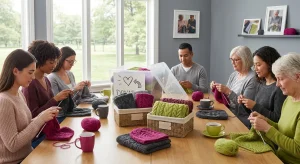
While knitting can be a solitary, meditative activity, it also thrives in community settings. The importance of connection is growing, with social crafting communities growing by 47%. Joining a local knitting group, participating in online forums, or even teaching a friend provides opportunities for social interaction and shared purpose. These connections combat feelings of isolation and foster a sense of belonging. Sharing your projects and learning from others creates a supportive environment where creativity flourishes, further enhancing the positive impact on well-being.
Getting Started with Therapeutic Knitting
Embarking on your journey with therapeutic knitting doesn’t require extensive experience. In fact, many find the process of learning new skills inherently rewarding. To begin, you’ll need some basic supplies: yarn and knitting needles. Consider starting with simple projects like scarves or dishcloths. These allow you to practice fundamental stitches without feeling overwhelmed. Furthermore, there are countless free patterns available online, including on Knit n Style, designed specifically for beginners. For instance, exploring knitting stitches for beginners can provide a solid foundation. Remember, the goal isn’t perfection, but rather the enjoyment of the process and the benefits it brings to your mind.
Choosing Your Materials Wisely
The type of yarn you select can significantly impact your knitting experience. Soft, smooth yarns are often more pleasant to work with, especially for those new to the craft. Consider natural fibers like wool or cotton for a satisfying tactile experience. Similarly, the size and material of your needles play a role. Bamboo or wooden needles can be easier for beginners as they offer more grip, preventing stitches from slipping off too easily. Experiment with different options to find what feels most comfortable and enjoyable for you. Ultimately, the right materials can make your experience of knitting for mental health even more soothing.
Beyond the Basics: Expanding Your Crafting Horizons
Once you’ve mastered the fundamentals, the world of knitting opens up. You might explore more complex knitting patterns, try different crochet stitches and techniques, or even delve into specific types of yarn like our beloved Red Heart yarn. The continuous learning process itself contributes to cognitive health and provides ongoing mental stimulation. Each new skill learned, each new project completed, reinforces the positive cycle of accomplishment and satisfaction. This sustained engagement with a creative pursuit is a key component of long-term mental well-being. Moreover, expanding your skills allows for greater self-expression, enabling you to create unique items that truly reflect your personal style.
Connecting with the Global Crafting Community
The internet has made it easier than ever to connect with fellow crafters worldwide. Online forums, social media groups, and video tutorials offer a wealth of knowledge, inspiration, and support. Sharing your progress, asking questions, and offering advice can foster a strong sense of community. This global connection demonstrates the widespread appeal and positive impact of knitting for mental health. Furthermore, many crafters engage in charitable knitting, creating items for those in need, which adds another layer of purpose and fulfillment to the craft. For example, organizations like Warm Up America! collect knitted and crocheted blankets and scarves for homeless shelters. This altruistic aspect further enhances the mental health benefits by fostering a sense of contribution and empathy. You can learn more about the growing mental health benefits of creative arts on sites like Psychology Today, which often features articles on the topic. Psychology Today is a great resource.
The Science Behind the Stitches: Why Knitting Works
While the anecdotal evidence for the benefits of knitting is strong, scientific research also supports its positive impact on mental health. Studies in fields like occupational therapy and psychology highlight how engaging in repetitive, creative tasks can reduce symptoms of depression and anxiety. The act of creation itself can be deeply therapeutic, providing a sense of control and agency. Furthermore, the tactile nature of working with yarn and needles can be grounding, helping individuals to reconnect with their physical selves and the present moment. This holistic engagement makes knitting for mental health a truly effective tool. A study published by the British Journal of Occupational Therapy, for instance, found that knitting had significant therapeutic benefits. British Journal of Occupational Therapy provides more context.
Knitting as a Form of Self-Care
In a world that often prioritizes productivity, taking time for self-care is crucial. Knitting offers a legitimate and enjoyable form of self-care that nourishes the mind and spirit. It’s a quiet rebellion against constant busyness, a deliberate choice to slow down and engage in something personally fulfilling. This dedicated time allows for introspection and emotional processing, contributing to overall emotional resilience. Therefore, incorporating knitting into your routine can be a powerful act of self-love and a proactive step towards maintaining good mental health. It’s a wonderful way to unwind after a long day.
Integrating Knitting into Your Daily Routine
Making time for knitting doesn’t require hours of dedication. Even short, consistent sessions can yield significant benefits. Consider setting aside 15-30 minutes each day, perhaps in the morning with your coffee or in the evening before bed. You might keep a small project by your favorite chair, ready to pick up whenever you have a few moments. The flexibility of knitting means it can fit into various lifestyles, offering a portable source of calm and creativity. Even during a commute, if you’re not driving, a small project can provide a mindful break. This regular practice reinforces the positive habits associated with knitting for mental health.
Conclusion: Embracing the Therapeutic Power of Craft
Knitting for mental health is a profound and accessible way to enhance well-being, cultivate mindfulness, and find joy in creation. From reducing stress and anxiety to boosting self-esteem and fostering community, the benefits are far-reaching. At Knit n Style, we encourage everyone, regardless of skill level, to pick up their needles and experience the transformative power of this ancient craft. Embrace the rhythm, enjoy the process, and discover how each stitch can contribute to a happier, more balanced you. Start your crafting journey today and stitch your way to improved mental well-being.
FAQ: Frequently Asked Questions About Crafting and Well-being
What are the primary mental benefits of engaging in knitting?
Engaging in knitting offers numerous mental benefits, including stress reduction, anxiety relief, improved mindfulness, enhanced focus, and a boost in mood and self-esteem. The repetitive motions and creative output contribute to a sense of calm and accomplishment.
How does crafting help with stress and anxiety?
The repetitive nature of crafting, such as knitting, can lower heart rate and blood pressure, creating a calming effect similar to meditation. It also provides a constructive distraction from negative thoughts and worries, helping to alleviate stress and anxiety.
Can beginners experience the mental health benefits of knitting?
Absolutely! Beginners can experience significant mental health benefits from knitting. The process of learning new skills, even simple ones, fosters patience and perseverance, while the satisfaction of completing a first project provides a valuable sense of accomplishment and boosts confidence.
Are there social benefits to therapeutic crafting?
Yes, there are substantial social benefits. Joining knitting groups, participating in online forums, or crafting with friends can combat isolation, foster a sense of belonging, and create supportive communities. Sharing projects and learning from others enhances overall well-being.
What materials do I need to start knitting for well-being?
To begin, you’ll need basic supplies: yarn and knitting needles. Starting with softer yarns and appropriately sized needles can make the experience more enjoyable for beginners. Many resources, including Knit n Style, offer guidance on choosing materials and beginner-friendly patterns.