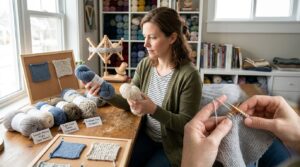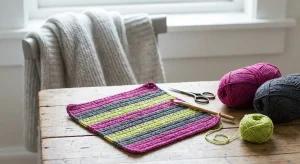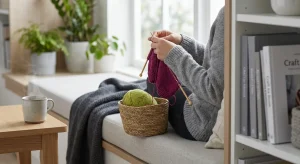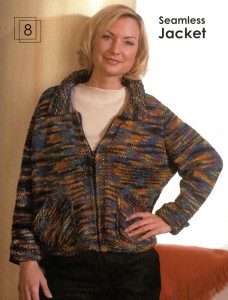
In our modern world, finding moments of tranquility can feel like a luxury. However, many crafters are discovering the profound benefits of knitting for stress relief, turning each stitch into a moment of calm and mindfulness. The repetitive, rhythmic motions of knitting are not just about creating beautiful textiles; they are a powerful pathway to reducing anxiety, improving focus, and fostering overall mental well-being. At Knit n Style, we believe in the holistic power of crafting, and the growing evidence supporting its therapeutic effects is truly inspiring.
The global interest in crafting for wellness has surged. For instance, over 70% of Craft Club customers in March 2026 reported that crafting helps them relax and provides a creative outlet. This isn’t just anecdotal; studies indicate that 81% of respondents with depression felt happier after knitting. The act of knitting stimulates dopamine production, a neurotransmitter associated with pleasure and reward, naturally elevating mood and self-esteem. As a completely free resource, Knit n Style is dedicated to guiding you through this journey of mindful making.
Embracing Mindful Knitting for Stress Relief
Mindful knitting is about being fully present in the moment. It involves paying attention to the feel of the yarn, the click of the needles, and the rhythm of your stitches. It’s an active form of meditation that allows you to detach from worries and focus on the tactile process. Here’s how to cultivate a mindful approach to your knitting:
Set the Scene for Serenity
Before you even pick up your needles, create a peaceful environment. Choose a quiet corner, perhaps with soft lighting. Some crafters enjoy gentle background music or the calming sounds of nature. Make sure you’re comfortable, with good posture, to prevent any physical distractions from interrupting your mental flow. This preparation is key to allowing your mind to settle into the task at hand.
Engage All Your Senses
Mindfulness is often about sensory awareness. Feel the texture of your yarn – is it soft alpaca, smooth organic cotton, or rustic recycled wool? Notice the subtle variations in its color. Listen to the gentle click of your needles as you form each stitch. Observe the developing fabric, watching as rows build upon each other. This sensory engagement keeps your mind anchored to the present moment, preventing it from wandering to stressors.
Focus on Your Breath and Rhythm
Synchronize your breathing with your stitches. Inhale as you insert your needle, exhale as you draw the yarn through. This simple practice deepens the meditative quality of knitting. Pay attention to the consistent rhythm of your hands, the repetitive motion that can lull your mind into a relaxed state. If your thoughts drift, gently bring them back to your breath and the feel of the yarn.
Choose Simple, Repetitive Projects
For optimal stress reduction, opt for projects that are straightforward and involve repetitive stitches. Complex patterns requiring constant attention to charts or intricate shaping might increase frustration rather than reduce it. Consider a simple garter stitch scarf, a basic dishcloth, or a plain blanket. These types of projects allow your hands to work almost instinctively, freeing your mind to relax and enjoy the rhythm. You can explore many easy knitting patterns on our site.
The Science Behind Knitting and Well-being
The therapeutic benefits of knitting are not merely anecdotal; they are increasingly supported by scientific research. Studies have shown that engaging in repetitive, creative activities like knitting can significantly reduce symptoms of anxiety and depression. For example, a 2013 study published in the British Journal of Occupational Therapy found that 81% of respondents with depression reported feeling happier after knitting. This suggests a strong link between crafting and improved mental health.
Furthermore, the act of knitting stimulates the release of neurotransmitters such as dopamine and serotonin. Dopamine is associated with pleasure and reward, while serotonin helps regulate mood, sleep, and appetite. Therefore, the repetitive motion and the satisfaction of creating something tangible can naturally boost mood and reduce feelings of stress. This makes knitting a powerful tool for enhancing emotional regulation.
Knitting also offers a sense of accomplishment. Completing a project, no matter how small, provides a boost to self-esteem and confidence. This feeling of mastery can be particularly beneficial for individuals struggling with anxiety or low mood. Moreover, the social aspect of knitting, whether through online communities or local groups, can combat feelings of isolation and foster a sense of belonging. Indeed, these connections provide valuable emotional support.
Practical Tips for Incorporating Mindful Knitting into Your Routine
Integrating knitting into your daily life for stress management doesn’t require a huge time commitment. Even short bursts of mindful stitching can make a difference. Here are some practical tips to help you establish a calming knitting routine:
- Start Small: Begin with just 10-15 minutes of knitting each day. This makes it easier to commit and build a habit.
- Designate a Time: Choose a specific time, such as before bed or during a lunch break, to dedicate to your knitting practice. Consistency helps train your mind to relax during these periods.
- Keep Supplies Handy: Having your yarn and knitting needles easily accessible encourages spontaneous knitting sessions. A small project bag can be very useful.
- Focus on the Process, Not Just the Product: While creating something beautiful is rewarding, remember that the primary goal here is relaxation. Release the pressure of perfection and simply enjoy the journey of each stitch.
- Explore Different Yarns: Experiment with various yarn types to find what textures you find most soothing. Some prefer the smooth glide of merino, while others enjoy the rustic feel of wool.
Remember, the goal is to create a positive, calming experience. If a particular stitch or project becomes frustrating, it’s okay to put it aside and choose something simpler. The journey of mindful knitting is personal and should always contribute to your well-being.
Beyond Stress Relief: Additional Benefits of Knitting
While knitting for stress relief is a primary motivation for many, this craft offers a wealth of other advantages. Engaging in knitting can sharpen cognitive functions, improve fine motor skills, and even serve as a creative outlet for self-expression. These benefits extend far beyond simply reducing anxiety, enriching your life in multiple ways.
Cognitive Enhancement
Knitting involves more than just hand movements. It requires pattern recognition, problem-solving (especially when fixing mistakes), and spatial reasoning. Regularly engaging these cognitive processes can help maintain brain health and improve memory. For instance, some studies suggest that engaging in mentally stimulating activities like knitting can even reduce the risk of cognitive decline in older adults. This makes knitting a fantastic brain exercise.
Improved Dexterity and Coordination
The intricate movements involved in knitting — manipulating needles, wrapping yarn, and forming stitches — significantly improve fine motor skills and hand-eye coordination. This is beneficial for people of all ages, from children developing their motor skills to seniors looking to maintain dexterity. Furthermore, it can be particularly therapeutic for individuals recovering from injuries or those with conditions affecting motor control.
Creative Expression and Self-Esteem
Knitting provides a wonderful avenue for creative expression. Choosing colors, textures, and patterns allows you to bring your unique vision to life. The satisfaction of creating something beautiful and functional with your own hands is immensely rewarding. This sense of accomplishment boosts self-esteem and fosters a positive self-image. Moreover, sharing your creations with others can further enhance these feelings of pride and connection.
Community and Connection
Knitting often brings people together. Joining a local knitting group or participating in online crafting communities can provide a sense of belonging and social support. Sharing tips, patterns, and stories with fellow crafters creates valuable connections, combating loneliness and fostering friendships. These social interactions are crucial for mental well-being and can amplify the benefits of mindful stitching. You might even find inspiration for new knitting stitches from others.
Choosing the Right Project for Relaxation
The key to maximizing the calming effects of knitting is selecting projects that suit your current mood and skill level. For pure relaxation, avoid anything overly complicated that might lead to frustration. Here are some project ideas ideal for mindful crafting:
- Scarves and Shawls: These are excellent for practicing repetitive stitch patterns like garter, stockinette, or simple ribbing. They grow quickly, providing a visible sense of progress.
- Washcloths and Dishcloths: Small, quick, and practical. They are perfect for trying new crochet stitches or knitting techniques without a large commitment.
- Simple Blankets or Throws: While larger, these often involve long stretches of basic stitches, making them ideal for meditative knitting sessions. Choose a soft, luxurious yarn for an extra comforting experience.
- Basic Hats: A simple beanie worked in the round can be very satisfying. The continuous nature of circular knitting can be particularly meditative.
Ultimately, the best project is one that you find enjoyable and allows you to enter a state of flow. Don’t be afraid to experiment and discover what brings you the most peace. You can find many resources on Knit n Style to guide your choices.
The Growing Movement of Crafting for Wellness
The idea of crafting as a therapeutic tool has gained significant traction in recent years. More and more healthcare professionals and wellness advocates are recognizing the profound impact that creative activities, especially fiber arts, can have on mental health. This movement highlights the importance of incorporating hands-on, screen-free activities into our lives to counterbalance the stresses of modern living.
Organizations like the Crafts Council frequently discuss the mental health benefits of crafting. They emphasize how engaging with materials and creating something tangible can provide a sense of purpose and achievement. Similarly, many therapists now recommend activities like knitting as a complementary therapy for anxiety, depression, and even chronic pain. The focus on the present moment, the rhythmic movements, and the tangible outcome all contribute to a powerful therapeutic effect.
Furthermore, the accessibility of knitting makes it an ideal wellness practice. With just a few basic supplies, anyone can begin to experience its calming effects. There are countless free patterns and tutorials available online, including many on Knit n Style, making it easy for beginners to start their journey. This widespread availability ensures that more people can benefit from knitting for stress relief.
This growing movement signifies a shift towards a more holistic understanding of well-being, where creative expression and mindful engagement are seen as essential components of a healthy life. We are proud to be part of this movement, offering resources and inspiration to help you discover the joy and tranquility that knitting can bring.
<
Conclusion: Embrace Your Mindful Stitches
In conclusion, knitting for stress relief is far more than just a hobby; it’s a powerful and accessible practice for cultivating calm, improving mental well-being, and fostering a sense of accomplishment. The rhythmic motion, sensory engagement, and creative outlet offered by knitting provide a unique pathway to mindfulness and tranquility. From reducing anxiety to boosting self-esteem, the benefits are profound and far-reaching.
At Knit n Style, we encourage you to embrace the therapeutic power of your needles and yarn. Take a moment each day to connect with your craft, allowing each stitch to guide you towards a calmer, more focused state of mind. Whether you are a seasoned knitter or just beginning your journey, the path to mindful stitching is open to everyone. Remember, your well-being is worth every mindful stitch.
FAQ:
How does knitting help reduce anxiety?
Knitting reduces anxiety through its repetitive, rhythmic motions, which can induce a meditative state. It also stimulates dopamine production, a neurotransmitter associated with pleasure, and provides a focal point, diverting attention from anxious thoughts.
What types of knitting projects are best for relaxation?
Simple, repetitive projects like scarves, washcloths, or basic blankets are ideal for relaxation. They require less intense concentration, allowing your hands to work instinctively and your mind to unwind.
Can knitting improve focus and concentration?
Yes, knitting can improve focus and concentration. The act of paying attention to stitches, yarn, and patterns trains your mind to stay present, which strengthens your ability to concentrate on other tasks.
Is mindful knitting different from regular knitting?
Mindful knitting emphasizes being fully present during the process, focusing on sensory details like yarn texture and needle sounds, and synchronizing breathing with stitches. Regular knitting can be mindful, but intentional mindfulness enhances its therapeutic effects.
Where can I find resources to start knitting for well-being?
You can find numerous free resources online, including tutorials and patterns on Knit n Style. Local yarn stores often offer classes, and online communities provide support and inspiration for those interested in using knitting for well-being.