As the fashion world embraces sustainability and handmade aesthetics, crochet is stepping into the spotlight as a key trend for Fall/Winter 2025/2026. This isn’t just about making; it’s about making with purpose. At Knit n Style, we’re thrilled to show you how to combine your love for crafting with current style, offering eco-friendly crochet projects that are both fashionable and kind to the planet. With the global knitting and crochet market showing robust growth and a strong interest in DIY crafting, now is the perfect time to hook into these trends.
The Rise of Sustainable Fashion in Crochet
The industry is witnessing a significant shift, with knitwear and crochet central to upcoming fashion seasons. Younger demographics, particularly Millennials and Gen Z, are embracing crafting not only for its mental wellness benefits but also as a way to express personal style sustainably. Online platforms like TikTok and YouTube Shorts have become hubs for discovering new crochet trends and patterns. By focusing on eco-friendly materials, your projects will not only be stylish but also contribute to a more sustainable future.
Our Top 5 Eco-Friendly Crochet Projects for Trendsetters:
Here are five must-try projects that incorporate sustainable yarns and reflect the latest fashion sensibilities:
1. The Reusable Market Bag: Practical & Chic
Why it’s trending: With sustainability being a central theme and 58% of demand driven by DIY crafting, reusable market bags are the ultimate accessory for the eco-conscious shopper. They’re practical, reduce plastic waste, and can be customized to your style.
Eco-Yarn Choice: Organic cotton or hemp yarn. These fibers are durable, washable, and environmentally friendly. Look for GOTS-certified organic cotton for the best impact.
2. The Upcycled Granny Square Vest: Vintage Meets Modern
Why it’s trending: Sheer knits and unique textures are big for F/W 2025/2026. Granny squares offer a versatile way to create garments with a vintage charm that can be layered for different looks. Upcycling old garments or yarn scraps fits perfectly into the sustainable narrative.
Eco-Yarn Choice: Recycled cotton or wool yarn from pre- or post-consumer waste. Alternatively, unravel old sweaters to create new yarn from existing fibers, giving them a second life.
3. The Textured Alpaca Shawl: Luxurious Warmth
Why it’s trending: Comfort and luxury remain key, and a beautifully textured shawl made from high-quality, sustainable fibers is a timeless statement piece. Alpaca offers incredible warmth without bulk, aligning with the desire for functional yet elegant pieces.
Eco-Yarn Choice: Undyed or naturally dyed alpaca wool. Alpaca has a low environmental footprint and is incredibly soft and warm, making it a luxurious and sustainable choice for accessories.
4. The Bamboo Summer Top: Breathable & Elegant
Why it’s trending: Lightweight, breathable garments are always in demand, especially as transitional pieces. Bamboo yarn provides excellent drape and a silky feel, perfect for comfortable yet chic tops. Furthermore, its natural properties make it an ideal choice for sensitive skin.
Eco-Yarn Choice: 100% bamboo yarn. This fiber is renewable and biodegradable. It also has natural antibacterial properties. Opt for bamboo yarns processed with closed-loop systems to ensure minimal environmental impact.
5. Recycled Denim Home Decor: Urban & Earth-Conscious
Why it’s trending: Beyond wearables, sustainable home decor is gaining traction. Crafting items like placemats, coasters, or small storage baskets from recycled denim yarn brings an urban, textured feel to any space. This approach truly embodies the spirit of sustainable crafting.
Eco-Yarn Choice: Recycled denim yarn. This innovative yarn is made from discarded denim fabric, reducing textile waste and conserving resources. It offers a unique texture and sturdy finish, ideal for home accessories.
Why Choose Sustainable Yarns for Your Crochet Creations?
Selecting sustainable yarns is fundamental to creating truly eco-friendly crochet projects. The environmental impact of textile production is significant, encompassing water usage, pesticide application, and chemical dyeing processes. By opting for fibers like organic cotton, hemp, bamboo, recycled wool, or alpaca, you are actively reducing your carbon footprint. For instance, organic cotton cultivation avoids harmful pesticides, protecting soil health and water quality. Similarly, recycled fibers divert waste from landfills, giving materials a new life. This mindful approach extends the lifecycle of resources and supports ethical production practices. Ultimately, choosing sustainable materials makes your crafting not only enjoyable but also a meaningful contribution to environmental well-being.
Tips for Successful Eco-Friendly Crochet Projects
Embarking on sustainable crafting requires a few considerations to ensure your projects are as green as possible. First, always check the yarn labels for certifications such as GOTS (Global Organic Textile Standard) for organic cotton or OEKO-TEX Standard 100, which ensures products are free from harmful substances. Second, consider the origin of your yarn. Sourcing locally or from companies with transparent supply chains can further reduce your environmental impact. Third, embrace the art of upcycling. Old sweaters, t-shirts, or even denim can be transformed into new yarn, offering a unique texture and truly zero-waste approach. Remember, the beauty of crafting lies in its ability to be both creative and conscientious. For more insights on materials, you might find our guide on A Trusted Yarn for More Than 3/4 of a Century – Red Heart useful, even if you are exploring other options.
Crochet Techniques for Modern Trends
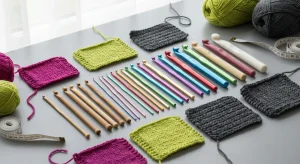
To really make your sustainable crochet stand out, consider incorporating modern techniques and stitches. For example, the Tunisian crochet stitch creates a dense, fabric-like texture perfect for sturdy market bags or warm shawls. Furthermore, filet crochet can be used to create intricate, airy designs ideal for summer tops or delicate overlays on vests. Understanding various Crochet Stitches and Techniques can significantly enhance your project outcomes. Don’t be afraid to experiment with color blocking, a popular trend that allows you to use up smaller yarn scraps from your collection. Moreover, exploring different All You Need to Know About Crochet Hooks in One Place will ensure you have the right tools for these diverse techniques. These methods not only add visual interest but also provide opportunities to personalize your eco-friendly crochet projects.
The Future of Fashion and Handcrafts
The synergy between fashion and handcrafts is stronger than ever. Major fashion houses are increasingly featuring knit and crochet pieces on runways, signaling a lasting trend. This movement is driven by a desire for individuality, quality, and ethical production. Consequently, consumers are seeking unique items that tell a story, moving away from fast fashion. By creating your own sustainable fashion pieces, you are not only participating in a global trend but also contributing to a more mindful consumption culture. These eco-friendly crochet projects are more than just items; they are statements of personal values and style. You can find inspiration and guidance through resources like Introducing Crochet Patterns and How to Read Them.
Where to Find Inspiration for Your Sustainable Crochet Projects
Inspiration for your next sustainable crochet creation is everywhere. Platforms like Pinterest and Instagram are rich with visual ideas, showcasing everything from intricate garments to minimalist accessories. Moreover, dedicated crafting blogs and online communities often share free patterns and tutorials using eco-friendly yarns. Many yarn companies now specifically highlight their sustainable lines, making it easier to find suitable materials. Consider joining local crafting groups; these provide a wonderful opportunity to share ideas, learn new techniques, and discover unique sustainable yarn sources. Ultimately, the best inspiration often comes from imagining how a piece will fit into your personal style and contribute to a greener wardrobe. For further exploration, reputable sources like Good Housekeeping UK’s list of sustainable fashion brands can offer insights into the broader sustainable fashion landscape, which often influences handmade trends. Additionally, checking out Vogue’s sustainable fashion section can provide high-level fashion trend analysis that informs the direction of handmade garments.
Embracing the Eco-Conscious Crafter Identity
Becoming an eco-conscious crafter is a rewarding journey. It involves more than just choosing the right materials; it’s about adopting a mindset that values durability, timelessness, and minimal waste. When you invest time and effort into creating eco-friendly crochet projects, you are crafting items that are meant to last, often becoming cherished heirlooms. This contrasts sharply with the disposable nature of fast fashion. Furthermore, the slow process of crochet itself is inherently sustainable, encouraging thoughtful consumption. Each stitch is an act of intention, a step towards a more sustainable lifestyle. Embrace this identity; let your crafting reflect your commitment to both style and the planet. These sustainable crochet items are not only beautiful but also carry a story of conscious creation.
Conclusion: Crafting a Sustainable Future, One Stitch at a Time
The world of fashion is evolving, and crochet is at the forefront of this sustainable revolution. By embracing eco-friendly crochet projects, you are not just following trends; you are actively shaping a more sustainable and stylish future. From reusable market bags to luxurious alpaca shawls, the possibilities for creating beautiful, earth-kind pieces are endless. At Knit n Style, we encourage you to explore these trends, experiment with sustainable yarns, and unleash your creativity. Your handmade creations will not only be fashionable for 2025-2026 but will also stand as a testament to your commitment to conscious crafting. Start your next project today and make a positive impact, one stitch at a time. These sustainable crochet endeavors are truly meaningful.
FAQ
What materials are best for making sustainable crochet items?
For sustainable crochet, prioritize natural fibers like organic cotton, hemp, and bamboo. Also, consider recycled yarns made from post-consumer waste, such as recycled cotton or denim. Alpaca wool is another excellent choice due to its low environmental footprint and luxurious feel.
How can I ensure my crocheted creations are truly environmentally friendly?
To ensure your crocheted items are environmentally friendly, select certified organic or recycled yarns. Look for certifications like GOTS or OEKO-TEX. Furthermore, consider the yarn’s origin, support local suppliers, and practice upcycling old garments into new yarn. The longevity of your finished piece also contributes to its sustainability.
Are there any specific crochet techniques that lend themselves well to making green fashion accessories?
Many crochet techniques work well for green fashion accessories. Tunisian crochet creates sturdy fabrics suitable for bags and shawls. Filet crochet is great for delicate, airy tops. Additionally, incorporating color blocking allows you to use up smaller yarn scraps, reducing waste. Experimenting with different stitches adds unique textures to your sustainable creations.
Where can I find patterns for crafting sustainable garments?
Patterns for crafting sustainable garments are widely available online. Websites like Pinterest, Instagram, and Ravelry are excellent resources. Many yarn companies also offer free patterns specifically designed for their eco-friendly yarn lines. Additionally, crafting blogs and online communities often share innovative ideas for sustainable crochet designs.
Why is there a growing interest in crafting environmentally conscious items?
The growing interest in crafting environmentally conscious items stems from a broader societal shift towards sustainability and mindful consumption. Consumers, especially younger generations, are increasingly aware of fashion’s environmental impact. They seek unique, durable items that reflect personal values, moving away from fast fashion. Handcrafts like crochet offer a way to create high-quality, personalized, and sustainable pieces.