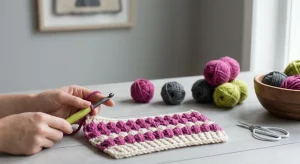
The crafting world is evolving significantly. There’s a clear shift towards sustainability and conscious creation. The global sustainable yarn market, for instance, is projected to double in value. Consequently, more crafters are seeking ways to integrate eco-friendly practices into their projects. If you’re looking for inspiring eco-friendly crochet patterns that blend style with a commitment to the planet, you’ve certainly come to the right place. Knit n Style believes in providing resources that not only spark creativity but also align with responsible crafting.
Why Choose Eco-Friendly Yarns?
Choosing sustainable yarns goes beyond a passing trend. It’s a commitment to reducing your environmental footprint. The market has seen a surge in demand for materials. These include organic cotton, bamboo, recycled yarn, hemp, and Tencel/Lyocell. These materials often involve less water, fewer chemicals, or repurpose existing waste. Therefore, they make excellent choices for the environmentally conscious crafter. Beyond environmental benefits, many sustainable yarns offer unique textures, breathability, and durability. They are perfect for home decor items.
The Environmental Impact of Yarn Choices
Traditional yarn production can have a substantial environmental impact. This includes water consumption, pesticide use in conventional cotton farming, and the energy required for synthetic fiber manufacturing. Conversely, sustainable alternatives aim to mitigate these issues. For example, organic cotton uses significantly less water and avoids harmful pesticides. Recycled yarns give new life to textile waste, reducing landfill burden. Hemp and bamboo are fast-growing plants requiring minimal water and no pesticides. Understanding these differences helps crafters make informed decisions about their materials. Furthermore, it supports a healthier planet.
Benefits Beyond Sustainability
Beyond their environmental credentials, sustainable yarns often bring unique qualities to your crochet projects. Organic cotton, for instance, is known for its softness and hypoallergenic properties. Bamboo offers a silky drape and excellent breathability, ideal for lightweight items. Hemp is incredibly strong and durable, softening beautifully with age and use. Recycled materials, particularly those from textiles, can offer a wonderfully rustic texture. They are perfect for structured items. These inherent characteristics can inspire new design possibilities. They also enhance the overall quality and longevity of your finished pieces.
Project Inspiration: Sustainable Home Decor
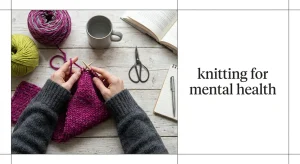
Transforming your living space with handmade, sustainable items adds a personal touch. It also brings a sense of calm. This echoes the mental wellness benefits many crafters find in their hobby. Here are some project ideas using eco-conscious materials. These ideas showcase the versatility of sustainable fibers. They also help you create beautiful, functional pieces for your home.
1. Organic Cotton Coasters & Trivets
Organic cotton is soft, absorbent, and durable. This makes it ideal for items that need to withstand daily use. Simple, sturdy coaster and trivet patterns are perfect for beginners. They offer quick gratification. Experiment with different stitch patterns like single crochet for density or half double crochet for a slightly softer feel. Look for GOTS-certified organic cotton for assurance of ethical production. These small projects are also a great way to use up leftover sustainable yarns. Moreover, they make thoughtful, handmade gifts.
2. Recycled Yarn Storage Baskets
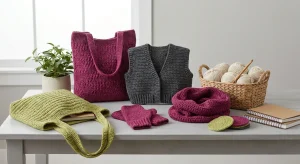
Recycled yarns are fantastic for creating sturdy, structured items. They are often made from pre- or post-consumer textile waste or even recycled PET polyester. Use a chunky recycled cotton or t-shirt yarn to crochet robust storage baskets. These are perfect for decluttering and adding a rustic, minimalist touch to any room. Explore basic basket patterns using a spiral technique for a seamless finish. The texture of recycled materials often adds unique character to these practical pieces. Moreover, making your own baskets reduces the need for new plastic storage.
3. Bamboo or Hemp Plant Hangers
Bring the outdoors in with stylish plant hangers. Make them from natural fibers like bamboo or hemp. These yarns are strong, durable, and naturally resistant to mold and mildew. This makes them perfect for holding potted plants. A simple macrame-inspired crochet pattern can create beautiful, airy hangers. They showcase your greenery while reflecting a commitment to sustainable living. Furthermore, these fibers offer a natural aesthetic that complements various interior styles. You can learn more about various crochet techniques to achieve different hanger styles by visiting our guide on A Quick Guide to Crochet Stitches and Techniques.
4. Alpaca or Regenerated Wool Throws
For a touch of luxury and warmth, consider throws made from alpaca wool or regenerated wool. Alpaca is incredibly soft, hypoallergenic, and provides excellent insulation. Regenerated wool, on the other hand, repurposes discarded wool fibers into new, usable yarn. These materials create cozy, inviting throws that are both beautiful and sustainable. A simple double crochet blanket pattern works wonderfully for these yarns. The natural fibers will drape beautifully. Remember to check for certifications like Responsible Wool Standard (RWS) for regenerated wool to ensure ethical sourcing. These throws add a sophisticated, conscious element to your living space.
5. Linen Dishcloths and Scrubbies
Linen yarn is another excellent choice for sustainable home items. It is highly absorbent, durable, and naturally antibacterial. This makes it ideal for dishcloths, scrubbies, and even towels. Linen becomes softer with each wash, a desirable quality for frequently used items. Simple single crochet or half double crochet patterns work well for these projects. They are quick to make and provide a practical, eco-friendly alternative to synthetic sponges. Furthermore, linen is biodegradable, minimizing its environmental impact at the end of its life. These small projects are also great for practicing new Introducing Crochet Patterns and How to Read Them.
Finding the Best Sustainable Yarns for Your Next Project
With the growing interest in sustainable crafting, finding eco-friendly yarns has become easier. Many brands now offer dedicated lines of sustainable options. When selecting your yarn, consider a few key factors. Look for certifications such as GOTS (Global Organic Textile Standard) for organic fibers, Oeko-Tex Standard 100 for harmful substance testing, or RWS (Responsible Wool Standard) for wool. These certifications provide assurance of ethical and environmentally sound production practices.
Consider the fiber content carefully. Natural fibers like organic cotton, hemp, and linen are excellent choices. Plant-based alternatives like Tencel (Lyocell) and Modal, derived from wood pulp, are also highly sustainable. Recycled yarns, whether from post-consumer plastic bottles or textile waste, offer a fantastic way to repurpose materials. Do some research into the brand’s transparency regarding their supply chain. A brand committed to sustainability will often share detailed information about their sourcing and manufacturing processes. This transparency helps you make truly informed decisions about your materials. Moreover, it supports companies dedicated to responsible production.
Where to Purchase Sustainable Yarns
Many local yarn stores are now stocking a wider range of sustainable options. Shopping locally supports small businesses and allows you to feel the yarns in person. Online retailers also offer extensive selections. Websites specializing in ethical and sustainable crafting supplies are excellent resources. Furthermore, some larger craft chains are beginning to carry eco-friendly lines. Always read product descriptions carefully. Look for details on fiber origin, processing, and any relevant certifications. Don’t hesitate to contact the seller if you have questions about their sustainability practices. Knowing where your yarn comes from adds an extra layer of satisfaction to your crafting. It also ensures you are truly contributing to a more sustainable future.
Tips for Crafting with Eco-Friendly Crochet Patterns
Working with sustainable materials can be a slightly different experience than traditional yarns. However, it is always a rewarding one. Here are some tips to help you succeed with your eco-friendly crochet patterns:
- Gauge Swatches are Essential: As with any project, making a gauge swatch is crucial. Sustainable yarns, especially natural fibers like hemp or linen, can have different elasticity and drape compared to acrylics or conventional cotton. A swatch ensures your finished item will be the correct size.
- Understand Fiber Properties: Each sustainable fiber has unique characteristics. Hemp can be stiff initially but softens beautifully with use and washing. Bamboo has a lovely drape but might be less structured. Organic cotton is generally easy to work with but can sometimes split. Familiarize yourself with your chosen yarn’s properties. This will help you select the best eco-friendly crochet patterns for it.
- Care Instructions Matter: To maximize the lifespan of your sustainably crocheted items, follow proper care instructions. Many natural fibers prefer gentle washing and air drying. This preserves their integrity and reduces energy consumption.
- Embrace Imperfection: Hand-dyed sustainable yarns or recycled materials might have slight variations in color or texture. Embrace these unique qualities! They add character and charm to your finished pieces, highlighting their handmade nature.
- Consider Dye Methods: Beyond the fiber itself, consider how the yarn is dyed. Look for yarns colored with natural dyes, low-impact dyes, or those that use less water in their dyeing process. This further enhances the eco-friendliness of your project.
By keeping these tips in mind, you’ll find even greater enjoyment in creating beautiful and responsible items. Your commitment to sustainable crafting truly makes a difference.
Expanding Your Sustainable Crafting Journey
Once you begin exploring eco-friendly crochet patterns, you might find yourself inspired to expand your sustainable crafting journey further. There are many ways to integrate eco-consciousness into all aspects of your hobby. Consider your tools, for instance. Opt for crochet hooks made from sustainable materials like bamboo or recycled aluminum. You can find more information about selecting the right tools on our page, All You Need to Know About Crochet Hooks in One Place. Similarly, look for notions like stitch markers or tapestry needles made from recycled or natural materials.
Think about your crafting process as a whole. Can you minimize waste by saving yarn scraps for smaller projects? Or perhaps by mending old garments instead of discarding them? Learning to mend and repair extends the life of textiles. It significantly reduces your overall environmental footprint. Furthermore, you might explore upcycling old textiles into new yarn, often called ‘plarn’ (plastic yarn) from plastic bags, or fabric strips from old t-shirts. These creative approaches not only reduce waste but also provide unique materials for your next project. It’s all about making conscious choices at every step of the crafting process.
The Growing Community of Sustainable Crocheters
The movement towards sustainable crafting is gaining momentum. A vibrant community of crocheters and knitters shares ideas, patterns, and support. Online forums, social media groups, and local crafting circles are excellent places to connect with like-minded individuals. You can discover new eco-friendly crochet patterns, learn about emerging sustainable yarns, and share your own creations. This community spirit fosters innovation and encourages continuous learning. It also provides a platform for discussing the challenges and triumphs of sustainable living. Engage with fellow crafters, exchange tips, and celebrate your shared commitment to the planet. This collective effort makes a significant impact. Moreover, it enriches your personal crafting experience. For a broader understanding of yarns, including sustainable options, you might find our guide on A Trusted Yarn for More Than 3/4 of a Century – Red Heart helpful for comparing different yarn types.
Additionally, many designers are now focusing on creating patterns specifically for sustainable fibers. This makes it easier than ever to find inspiring projects that align with your values. Seek out independent designers who prioritize eco-friendly materials and practices. Their work often reflects a deep understanding of sustainable textiles. They provide well-tested eco-friendly crochet patterns that highlight the best qualities of these yarns. Supporting these designers also contributes to a more sustainable and ethical crafting industry. It’s a win-win situation for both crafters and the planet.
Conclusion
Embracing eco-friendly crochet patterns is a rewarding way to blend your passion for crafting with a commitment to environmental stewardship. By choosing sustainable yarns and mindful practices, you create beautiful, lasting items for your home that tell a story of conscious creation. From organic cotton coasters to recycled yarn baskets, the possibilities are endless. Knit n Style encourages you to explore the diverse world of sustainable fibers. Discover new techniques, and join a growing community of crafters who are making a difference, one stitch at a time. Your choices in the crafting world truly matter. They contribute to a more sustainable future for everyone. So, pick up your hooks and start creating with purpose today!
FAQ
What are the best types of yarn for sustainable crochet projects?
The best yarns for sustainable crochet projects include organic cotton, hemp, bamboo, linen, recycled cotton, recycled polyester (from PET bottles), and regenerated wool. These materials have a lower environmental impact due to their sourcing, production, or ability to repurpose waste.
Where can I find patterns for environmentally friendly crochet?
You can find patterns for environmentally friendly crochet on dedicated sustainable crafting websites, independent designer platforms, and increasingly on larger pattern sites that feature eco-conscious collections. Many designers specify suitable sustainable yarns in their pattern descriptions.
How do I care for my crocheted items made with eco-conscious fibers?
Care instructions for items made with eco-conscious fibers vary by material. Generally, gentle washing (often hand washing) and air drying are recommended to preserve the integrity and extend the life of natural fibers like organic cotton, hemp, and wool. Always check the yarn label for specific care guidelines.
Are sustainable yarns more expensive than traditional yarns?
Sustainable yarns can sometimes have a higher initial cost due to ethical sourcing, specialized processing, and certifications. However, their durability and the positive environmental impact often outweigh the price difference. Many crafters find the investment worthwhile for the quality and peace of mind.
Can I make all kinds of crochet projects with sustainable materials?
Yes, you can make virtually all kinds of crochet projects with sustainable materials. From garments and accessories to home decor and toys, there’s a sustainable yarn suitable for almost any project. The key is to match the yarn’s properties (drape, strength, softness) to the desired outcome of your pattern.
What are some common certifications for eco-friendly yarns?
Common certifications for eco-friendly yarns include GOTS (Global Organic Textile Standard) for organic fibers, Oeko-Tex Standard 100 for harmful substance testing, RWS (Responsible Wool Standard) for wool, and sometimes certifications related to fair trade or recycled content. These help ensure the yarn meets specific environmental and social criteria.