One of the most enjoyable aspects of knitting and crochet is the ability to create items perfectly suited to the season. From cozy winter wear to breezy summer tops, the right yarn choice can make all the difference in comfort, drape, and overall success of your project. Master choosing yarn for seasonal projects with our comprehensive fiber guide, ensuring your handmade creations are always appropriate and delightful, no matter the weather. Understanding different yarn fibers and weights is key to crafting pieces that are both beautiful and functional throughout the year.
Winter Warmth: Embracing Natural Animal Fibers
When the temperatures drop, crafters instinctively reach for yarns that offer superior warmth and insulation. Natural animal fibers are the undisputed champions of winter projects. Consequently, these fibers provide excellent thermal properties.
- Wool: The quintessential winter fiber, wool is renowned for its warmth, elasticity, and ability to wick moisture away from the body. Varieties like Merino wool offer incredible softness without the itch, making them perfect for next-to-skin garments. It’s excellent for sweaters, hats, mittens, and warm blankets.
- Alpaca: Even warmer and often softer than sheep’s wool, alpaca yarn is incredibly luxurious and lightweight. It’s also hypoallergenic, making it a great choice for those sensitive to wool. Ideal for scarves, shawls, and delicate garments that need a touch of elegance and warmth.
- Cashmere & Mohair: These premium fibers offer unparalleled softness, warmth, and a beautiful halo. Often blended with other fibers, they create exquisite, lightweight, yet incredibly insulating pieces perfect for special occasion accessories or adding a luxurious touch to any project. Use them for elegant wraps, delicate sweaters, or to add a fuzzy texture.
For winter projects, you’ll often find yourself working with worsted, bulky, or super bulky weight yarns, which create dense, warm fabrics quickly. Furthermore, these heavier weights are perfect for quick gratification.
Summer Breezes: Light and Breathable Plant Fibers
As the days lengthen and the sun shines brighter, the focus shifts to breathable, cool, and lightweight yarns that keep you comfortable. Therefore, plant fibers become the preferred choice for warmer weather. Selecting the right yarn for seasonal creations like these is crucial.
- Cotton: Absorbent and breathable, cotton is a fantastic choice for summer garments, dishcloths, and market bags. It has excellent stitch definition, making it great for textured patterns. Mercerized cotton offers a slight sheen and increased strength. Cotton works well in lighter weights like fingering or sport for airy tops and accessories.
- Linen: Known for its strength, durability, and beautiful drape, linen becomes softer with each wash and wear. It has a crisp feel that is wonderfully cool against the skin, making it perfect for summer blouses, open-weave tops, and home decor items that benefit from its rustic elegance. Linen yarns are often available in lighter weights.
- Bamboo: Exceptionally soft, with a lovely sheen and excellent drape, bamboo yarn is a wonderful option for summer. It possesses natural antibacterial properties and excellent moisture-wicking capabilities, keeping you cool and dry. Bamboo is often blended with cotton for added stability and elasticity. Consider it for lightweight cardigans, baby blankets, and luxurious scarves.
- Hemp: Similar to linen in its strength and durability, hemp yarn offers a slightly more rustic texture. It softens beautifully over time and is highly breathable. Hemp is an eco-friendly choice, perfect for sturdy bags, home textiles, and garments that benefit from its natural, earthy appeal.
For summer projects, lighter yarn weights such as fingering, sport, and DK are generally preferred. These weights create fabrics with more open stitches, allowing for better airflow. Consequently, they contribute to cooler garments.
Transitional Seasons: Versatility with Blends and Mid-Weight Yarns
Spring and autumn present unique challenges and opportunities for crafters. The weather can be unpredictable, often swinging between cool mornings and warm afternoons. This makes choosing appropriate fiber for diverse weather conditions essential. Therefore, versatile yarns and blends are ideal.
The Power of Blends
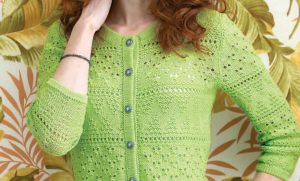
Blended yarns combine the best properties of different fibers, offering a balanced solution for transitional weather. For example, a wool-cotton blend might provide warmth without being too heavy, while a silk-linen blend offers elegance and breathability. Similarly, acrylic blends can offer affordability and ease of care.
- Wool-Cotton Blends: These blends offer the warmth of wool with the breathability and softness of cotton. They are excellent for lightweight sweaters, cardigans, and shawls that can be layered.
- Silk Blends: Silk adds luxurious drape, strength, and a subtle sheen to any blend. Combined with wool, it creates elegant, warm garments. Blended with linen or cotton, it produces sophisticated, breathable pieces.
- Acrylic Blends: Modern acrylics have come a long way, offering softness and vibrant colors. Blended with natural fibers, they can enhance durability, reduce cost, and make garments easier to care for. They are particularly useful for items that need frequent washing, such as children’s clothing.
Mid-Weight Yarns for Layering
DK (Double Knitting) and worsted weight yarns are perfect for transitional seasons. They are substantial enough to provide warmth but not so heavy as to be uncomfortable indoors. These weights are incredibly versatile, suitable for a wide range of garments and accessories. When considering yarn for seasonal creations that bridge temperature gaps, these weights are invaluable.
- DK Weight: This is a highly popular and versatile weight, perfect for sweaters, cardigans, and accessories that offer just the right amount of warmth. It works up relatively quickly but still offers good stitch definition for intricate patterns.
- Worsted Weight: Slightly heavier than DK, worsted is another staple for crafters. It’s excellent for making garments that provide more insulation without being overly bulky. It’s also a great choice for blankets and home decor.
When selecting yarn for seasonal projects during these shoulder seasons, consider pieces that can be easily layered. Think about open-front cardigans, light wraps, and scarves that can be added or removed as needed. This approach maximizes the wearability of your handmade items.
Specialty Yarns and Considerations for All Seasons
Beyond the primary seasonal categories, several other factors and specialty yarns can enhance your projects throughout the year. Understanding these options further refines your ability to select the ideal yarn for seasonal creations.
Superwash Wool for Easy Care
Superwash wool has been treated to prevent felting, making it machine washable. This is a significant advantage for items that need frequent cleaning, such as baby clothes, socks, and everyday sweaters. It retains the warmth and elasticity of traditional wool but offers much greater convenience. Consequently, it broadens the appeal of wool for many projects.
Novelty Yarns for Texture and Fun
Novelty yarns, such as boucle, chenille, or faux fur, add unique textures and visual interest to your projects. While not typically chosen for their thermal properties, they can be incorporated into garments or accessories for decorative effect. They are particularly fun for adding accents to scarves, collars, or cuffs, regardless of the season. Notably, these yarns can transform a simple piece into something extraordinary.
Eco-Friendly and Sustainable Choices
Many crafters are increasingly looking for environmentally responsible yarn options. Organic cotton, recycled fibers, and ethically sourced wool are becoming more widely available. Choosing these yarns supports sustainable practices and allows you to create beautiful items with a clear conscience. For example, exploring brands like Red Heart can reveal some accessible options.
Understanding Yarn Labels
Always consult the yarn label for crucial information. It specifies fiber content, weight, recommended needle/hook size, and care instructions. This information is invaluable for choosing yarn for seasonal projects. Furthermore, paying attention to dye lots ensures color consistency across your project.
Swatching: Your Best Friend
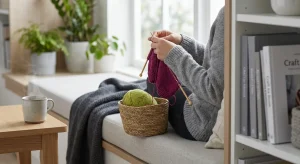
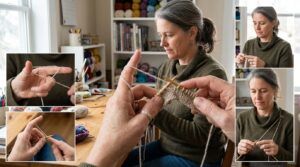
Regardless of the season or fiber, swatching is a non-negotiable step. A swatch allows you to check your gauge, assess the fabric’s drape, and ensure you are happy with the texture before committing to a larger project. It’s especially important when working with new fibers or patterns, helping you avoid disappointment. Indeed, a swatch can prevent many common crafting frustrations.
The Importance of Drape and Stitch Definition
When selecting yarn for seasonal projects, consider how the fiber will behave once knitted or crocheted. Drape refers to how the fabric hangs and flows. Some fibers, like linen and bamboo, have excellent drape, making them perfect for flowing garments. Others, like sturdy wools, offer more structure.
Stitch definition refers to how clearly individual stitches stand out. Cotton and smooth animal fibers often provide excellent stitch definition, which is ideal for textured patterns like cables or lace. Fluffier yarns, such as mohair, tend to obscure stitch definition but create a soft, hazy effect. Therefore, your project’s intended look should guide your fiber choice.
Caring for Your Handmade Seasonal Items
Proper care ensures your handmade items last for years. Different fibers require different care regimens. Always follow the care instructions on your yarn label. For instance, most wool items prefer hand washing and air drying to prevent shrinking or felting. Conversely, many plant fibers can withstand machine washing. Knowing how to care for your finished piece is as important as choosing the right fiber. This knowledge helps preserve the beauty and integrity of your creations.
Exploring Yarn Weights and Their Impact
Yarn weight, or thickness, significantly impacts the fabric you create. It also influences the warmth, drape, and overall feel of your finished project. Understanding yarn weights is fundamental to successfully choosing yarn for seasonal projects.
- Lace Weight: Extremely fine, perfect for delicate shawls, intricate lace patterns, and lightweight garments that offer minimal warmth but maximum elegance.
- Fingering/Sock Weight: Thin yet strong, ideal for socks, lightweight sweaters, and accessories. It creates a fine, dense fabric.
- Sport Weight: Slightly thicker than fingering, good for baby items, light sweaters, and warm-weather accessories.
- DK (Double Knitting) Weight: A versatile mid-weight, excellent for a wide range of garments, blankets, and accessories. It balances warmth with reasonable bulk.
- Worsted/Aran Weight: A popular, medium-thick yarn, great for sweaters, hats, and scarves. It works up quickly and provides good warmth. If you’re looking for patterns, our guide on All You Need to Know About Knitting Patterns and More can help.
- Bulky/Chunky Weight: Thick and warm, perfect for quick projects like heavy sweaters, blankets, and cozy accessories.
- Super Bulky/Roving Weight: Very thick, creates extremely warm and chunky fabrics quickly. Ideal for statement pieces and home decor.
The choice of yarn weight is often dictated by the pattern you are following. However, for freeform projects, consider the desired outcome. For example, a heavy blanket will benefit from bulky yarn, while a light summer scarf needs a finer weight. You might also explore different tools; for example, our guide to You won’t Get Far with Your Next Project Without the Best Set of Knitting Needles can help you select the right needles for your chosen yarn weight.
Conclusion: Master Your Seasonal Yarn Choices
Ultimately, mastering the art of choosing yarn for seasonal projects transforms your crafting experience. By understanding the unique properties of different fibers and yarn weights, you can confidently select the perfect materials for any season. Whether you’re seeking the insulating warmth of wool for winter, the breathable coolness of cotton for summer, or the versatile comfort of blends for transitional weather, the world of yarn offers endless possibilities. Experiment with various fibers, pay attention to drape and stitch definition, and always remember the importance of a good swatch. With this knowledge, your handmade garments and accessories will not only be beautiful but also perfectly suited to enjoy all year round. Happy crafting!
FAQ
What are the best fibers for warm weather knitting?
For warm weather, plant-based fibers like cotton, linen, bamboo, and hemp are excellent choices. They are breathable, absorbent, and feel cool against the skin. These fibers are ideal for creating lightweight tops, wraps, and accessories that keep you comfortable when temperatures rise.
Which yarns are recommended for cold weather projects?
Natural animal fibers such as wool (Merino, Shetland, etc.), alpaca, cashmere, and mohair are highly recommended for cold weather. They offer superior warmth, insulation, and often wick moisture away, making them perfect for cozy sweaters, hats, scarves, and blankets.
How do yarn blends help with projects for changing seasons?
Yarn blends combine the best characteristics of different fibers, making them highly versatile for transitional seasons like spring and autumn. For instance, a wool-cotton blend offers both warmth and breathability, while a silk-linen blend provides elegance and coolness, adapting well to fluctuating temperatures.
What is the role of yarn weight in selecting materials for different times of the year?
Yarn weight significantly impacts the warmth and drape of your finished project. Lighter weights (fingering, sport) are ideal for airy summer garments, while heavier weights (bulky, super bulky) are perfect for dense, warm winter items. Mid-weights (DK, worsted) offer versatility for transitional seasons.
What should I consider when picking yarn for a new project?
When picking yarn for a new project, consider the season you’ll wear or use the item, the desired drape and texture, the care requirements, and the specific fiber properties. Always check the yarn label for fiber content and care instructions, and remember to make a swatch to ensure you like the fabric.