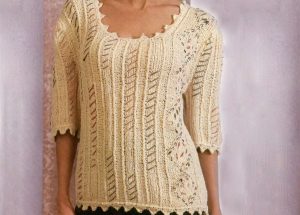
Many knitters begin their journey with a simple garter stitch scarf. While there is nothing wrong with that classic first project, moving past it opens up a world of creative possibilities. Finding inspiring knitting patterns is essential for keeping your craft exciting and continuously developing your skills. Whether you are a complete novice looking for your second project or an experienced crafter seeking a new challenge, Knit n Style has curated a selection of free patterns designed to spark your imagination and guide you forward.
Embarking on new knitting adventures can be incredibly rewarding. Each project offers an opportunity to learn something new, refine existing techniques, and ultimately create something beautiful and unique. Furthermore, the satisfaction of completing a more complex piece can significantly boost your confidence. We believe that every knitter, regardless of their current ability, deserves access to engaging and accessible patterns. Therefore, this guide offers a diverse range of projects, ensuring there is something for everyone.
Discover Inspiring Knitting Patterns for Beginners
Once you have mastered the knit and purl stitch, you are ready to explore projects that build confidence and introduce new techniques without being overwhelming. These initial steps are crucial for developing a solid foundation. Consequently, choosing the right beginner projects can make all the difference in fostering a lifelong love for knitting.
- Dishcloths/Washcloths: These small, functional projects are perfect for practicing new stitch patterns, such as seed stitch or basketweave. They also allow for experimenting with different yarns. Since they are quick to finish, they are incredibly satisfying. Look for patterns with simple texture repeats.
- Simple Headbands/Ear Warmers: These are a great way to try knitting in the round on circular needles or even practice basic seaming. They require minimal yarn and offer a cozy, wearable result. Moreover, they make excellent quick gifts.
- Basic Hats: Often knit in the round from the brim up, a simple hat introduces shaping (decreases) and can be a fantastic way to make your first wearable garment. Choose a pattern with clear instructions for yarn weight, like worsted or bulky.
- Coasters: Similar to dishcloths, coasters are small, quick projects that allow you to practice color changes or simple intarsia without a large commitment. In fact, they are perfect for using up small scraps of yarn.
As you progress, remember that patience is key. Every stitch is a learning opportunity. Do not be afraid to unravel and try again. Many resources are available to help you along the way, including video tutorials and detailed stitch guides. For instance, understanding how to choose the right knitting and crochet patterns is a vital skill for beginners. You can find helpful advice on How to Choose Knitting & Crochet Patterns for Your Next Creative Journey, which can guide your selections.
Intermediate Knit Patterns to Expand Your Skills
Ready to add more complexity? These creative knitting projects introduce techniques like cables, lace, more intricate shaping, and working with multiple colors. This stage is about building upon your foundational knowledge and embracing new challenges. Furthermore, these projects often result in stunning, more elaborate finished items.
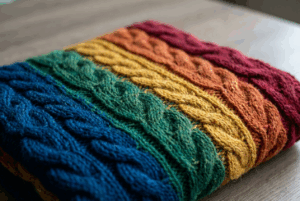
- Textured Scarves/Cowls: Elevate your neckwear by exploring patterns that incorporate cables, simple lace, or mosaic knitting. These engaging craft patterns allow you to focus on one new technique without the pressure of full garment construction. They also make wonderful accessories.
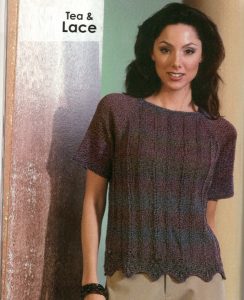
- Simple Sweaters/Cardigans: Look for patterns designed for beginners or those knit top-down with minimal shaping. These projects are a fantastic step towards creating your first major garment and will teach you how to read schematics and manage multiple sections. Consequently, you will gain a deeper understanding of garment construction.
- Socks: Knitting socks, whether toe-up or cuff-down, introduces you to working with double-pointed needles or magic loop, turning heels, and shaping for a perfect fit. It is a challenging but incredibly rewarding experience. Moreover, handmade socks are treasured gifts.
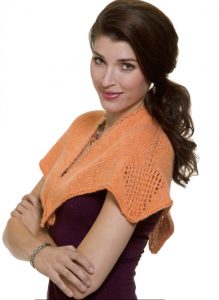
- Shawls (Simple Shapes): Many shawls are knit flat and use repeating stitch patterns to create beautiful, flowing fabric. Look for triangular or crescent-shaped shawls with easy-to-memorize lace or texture repeats. These projects often showcase the beauty of different yarn types.
Moving into intermediate projects means you are comfortable with the basics and eager to learn more. This is an exciting phase where your creativity truly begins to flourish. You might start considering how different yarn fibers affect your projects. For example, understanding A Fiber Guide: Choosing Yarn for Seasonal Projects All Year Round can greatly enhance your project selection and outcome. Additionally, exploring different needle types, such as Choosing the Best Interchangeable Knitting Needles for Every Project, can improve your knitting experience.
Exploring More Complex Knitting Projects
As your skills grow, so too will your ambition. Many knitters find joy in tackling projects that require more focus and dedication. These advanced endeavors not only hone your technical abilities but also deepen your appreciation for the craft. In fact, the sense of accomplishment from completing a complex piece is truly unparalleled.
Consider exploring colorwork techniques such as Fair Isle or intarsia in more intricate designs. These methods allow for stunning visual patterns and can transform a simple garment into a work of art. Furthermore, working with finer yarns and smaller needles can open up a world of delicate lace and intricate cables. Many advanced patterns also involve complex shaping, requiring a keen eye for detail and precise stitch manipulation.
Another avenue for experienced knitters is garment design. While this is a significant leap, understanding how garments are constructed can lead to modifying existing patterns or even creating your own. This level of engagement with the craft is truly inspiring. Moreover, participating in online knitting communities can provide support and inspiration for these challenging projects. Websites like Ravelry, for instance, offer a vast database of patterns and forums for knitters of all levels. Ravelry is a fantastic resource for finding new patterns and connecting with other crafters.
Advanced Knitting Challenges for the Experienced Crafter
For those who have mastered the fundamentals and are looking for truly challenging and rewarding projects, the world of advanced knitting offers boundless opportunities. These projects often combine multiple complex techniques, demand meticulous attention to detail, and result in heirloom-quality pieces. Consequently, they are a testament to a knitter’s dedication and skill.
- Intricate Lace Shawls: These patterns often feature complex charts, nupps, and multiple stitch repeats that require careful tracking. The result is a breathtaking, airy fabric that showcases the beauty of the yarn. Indeed, creating such a delicate piece is a significant achievement.
- Fair Isle Sweaters/Cardigans: True Fair Isle knitting involves carrying multiple colors across a row, creating dense, warm fabric with stunning geometric designs. These garments require careful tension management and color dominance understanding. They are a classic example of complex colorwork.
- Aran Sweaters with Complex Cables: Beyond simple cables, Aran patterns often incorporate intricate panels of various cable types, bobbles, and texture stitches. These garments are rich in texture and history, providing a substantial knitting challenge.
- Garments with Advanced Shaping and Construction: This includes tailored jackets, fitted dresses, or garments with unique construction methods like seamless top-down with complex short rows. Such projects often involve reading schematics and understanding advanced mathematical concepts in knitting.
- Knitted Toys (Amigurumi): While some amigurumi can be beginner-friendly, advanced patterns involve intricate shaping, color changes, and assembly, often using very fine yarn and small needles to create detailed figures. They are surprisingly complex and delightful.
Tackling these advanced projects requires not just skill but also patience and a willingness to learn new methods. Many experienced knitters find that these challenging pieces are the most fulfilling. They offer a chance to truly push the boundaries of their craft. Furthermore, the knowledge gained from these projects can be applied to future creative endeavors. Exploring Beyond the Basics: Essential Advanced Crafting Tools for Complex Projects can also equip you for these intricate undertakings.
Finding Your Next Inspiring Knitting Patterns
With so many options available, choosing your next project can be an exciting journey in itself. Consider what new technique you want to learn or what type of item you genuinely wish to create. Perhaps you are looking for a gift, or maybe something for your home. Therefore, taking the time to browse different categories and designers is a worthwhile step.
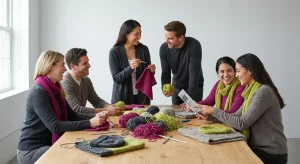
Online platforms are treasure troves of patterns. Websites like LoveCrafts offer a wide array of designs, both free and paid, from independent designers and established brands. Moreover, local yarn stores often have pattern libraries and can provide personalized recommendations based on your skill level and yarn preferences. Do not hesitate to ask for advice; the knitting community is wonderfully supportive.
Remember, the goal is to enjoy the process as much as the finished product. Knitting is a journey of continuous learning and creativity. Every stitch contributes to your growth as a crafter. We hope this guide helps you discover many new and inspiring knitting patterns that bring joy and satisfaction to your needles. Happy knitting!
For those interested in the broader benefits of crafting, consider how knitting can contribute to overall well-being. For example, Knitting for Mental Wellness: Finding Calm and Focus in Every Stitch highlights the therapeutic aspects of this beloved craft. Additionally, if you are passionate about giving back, exploring Crafting for Charity: Make a Difference with Your Skills can guide you to projects that serve a greater purpose.
Frequently Asked Questions About Knitting Projects
What should be my second knitting project after a scarf?
After a garter stitch scarf, excellent second projects include dishcloths, simple headbands, or basic hats. These items allow you to practice new stitches and techniques like knitting in the round or basic shaping without being too complex. They are quick to complete, providing a satisfying sense of accomplishment.
Where can I find free knitting designs?
Many websites offer free knitting designs. Knit n Style provides a selection, and other popular platforms like Ravelry and LoveCrafts also have extensive free pattern libraries. Additionally, yarn manufacturers often provide free patterns on their websites to showcase their yarns.
How do I know if a knitting pattern is right for my skill level?
Most patterns specify a skill level (beginner, intermediate, advanced). Read through the pattern instructions before starting. Look for techniques you are familiar with and identify any new ones you are willing to learn. If a pattern introduces too many new techniques at once, it might be better to save it for later.
What are some good resources for learning new knitting techniques?
Online video tutorials, such as those found on YouTube, are excellent for visual learners. Knitting books and magazines also provide detailed instructions and illustrations. Furthermore, local yarn stores often offer classes or workshops where you can learn directly from experienced instructors.
Can I really knit a sweater as an intermediate knitter?
Absolutely! Many patterns are designed specifically for intermediate knitters, often focusing on simple shapes, minimal seaming, or top-down construction. Look for patterns labeled