In a world that often feels relentlessly fast-paced, finding moments of calm and creativity is more important than ever. For many, the rhythmic motion of knitting and crochet offers just that – a peaceful escape and a profoundly fulfilling hobby. Beyond creating beautiful items, the benefits of knitting crochet extend deeply into our mental, emotional, and even physical well-being. It’s not merely about yarn and needles; it’s about nurturing ourselves through the power of craft.
The Calming Benefits of Knitting Crochet: Stress Relief and Mindfulness
One of the most widely celebrated benefits of knitting and crochet is their remarkable ability to reduce stress and promote mindfulness. The repetitive actions of forming stitches can act as a natural form of meditation, helping to quiet a busy mind and alleviate anxiety. Focusing intently on the pattern, carefully counting stitches, and feeling the unique texture of the yarn can draw your attention fully to the present moment, much like established mindfulness practices. This focused attention, furthermore, can lead to a lower heart rate and blood pressure, providing a tangible sense of relaxation. Many crafters consistently report feeling a significant decrease in stress levels after even a short session of knitting or crocheting, making it a perfect antidote to daily pressures.
The Science Behind Crafting for Calm
Research increasingly supports the anecdotal evidence of crafting’s calming effects. For instance, a study published in the British Journal of Occupational Therapy found that 81% of respondents with depression reported feeling happy after knitting. Moreover, over half of them felt ‘very happy’. This suggests a strong link between engaging in repetitive, creative tasks and improved mood. The act of creating something with your hands, from simple stitches to intricate patterns, provides a sense of accomplishment and purpose, which are vital components of psychological well-being. Consequently, this creative outlet becomes a powerful tool for managing everyday stressors.
The tactile nature of yarn also plays a significant role. Different fibers, from soft merino to rustic linen, engage our senses, further grounding us in the present. This sensory engagement, combined with the rhythmic motion, creates a harmonious environment for the mind. Therefore, choosing the right yarn for your project can enhance the meditative experience, making your crafting sessions even more beneficial for your overall state of mind.
Cognitive and Social Advantages of Crafting
The cognitive benefits of engaging in knitting and crochet are also substantial. Following complex patterns, managing multiple stitches simultaneously, and problem-solving when an error occurs all help to keep the brain active and fully engaged. Studies, in fact, suggest that such activities can improve fine motor skills, enhance concentration, and even potentially delay cognitive decline. Furthermore, knitting and crochet often foster a strong sense of community. Joining local craft groups, participating in online forums, or sharing projects with friends creates invaluable opportunities for social connection, shared learning, and mutual support. This social aspect can combat feelings of isolation and build lasting friendships, adding another rich layer to the already comprehensive tapestry of benefits.
Boosting Brain Power with Stitches
The intricate nature of knitting and crochet requires a surprising amount of cognitive effort. Consider, for example, reading a complex chart, keeping track of stitch counts, and remembering specific techniques. These tasks engage various parts of the brain, including those responsible for memory, spatial reasoning, and executive functions. This mental workout is akin to exercising a muscle; the more you use it, the stronger it becomes. As a result, crafters often find improvements in their ability to focus on other tasks and remember details more effectively. Even simple projects, such as a garter stitch scarf, require enough attention to provide these cognitive advantages. For those looking to challenge themselves further, exploring mastering advanced knitting stitches can offer an even more robust mental workout.
Weaving Connections: The Community Aspect
Beyond individual well-being, the communal side of crafting offers significant advantages. Sharing a common passion for yarn arts naturally brings people together. Craft groups provide a safe and supportive environment where individuals can exchange tips, share patterns, and showcase their latest creations. This interaction can be particularly beneficial for combating loneliness, a growing concern in modern society. Online communities, moreover, extend this reach globally, allowing crafters to connect with like-minded individuals from different cultures and backgrounds. This global connection enriches the crafting experience and fosters a sense of belonging. In fact, many crafters find that the social interaction is as rewarding as the crafting itself. You can learn more about this by exploring how online knitting communities are weaving stronger connections.
Physical Health Benefits of Knitting Crochet
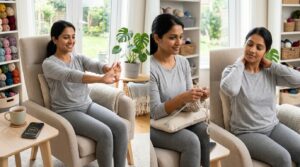
While often associated with mental calm, the physical benefits of knitting crochet are also noteworthy. The repetitive motions involved in these crafts can improve dexterity and fine motor skills, especially beneficial for individuals recovering from injuries or those looking to maintain hand flexibility as they age. This gentle exercise can help keep joints supple and muscles engaged. Furthermore, the act of crafting often encourages good posture, particularly when done mindfully, which can alleviate some common aches and pains associated with sedentary lifestyles. Many people find that focusing on their craft helps them to sit more upright and be more aware of their body’s positioning. The benefits of knitting crochet truly span both mind and body.
Enhancing Dexterity and Motor Skills
The precise movements required for knitting and crocheting—manipulating needles or hooks, guiding yarn, forming intricate stitches—are excellent exercises for the hands and fingers. This consistent, low-impact activity can significantly improve fine motor control and hand-eye coordination. For children, it can aid in developmental milestones, while for adults, it helps maintain agility and prevents stiffness. Occupational therapists sometimes recommend knitting or crochet as a therapeutic activity for patients recovering from strokes or injuries, as it encourages controlled, repetitive movements that can aid in rehabilitation. Therefore, picking up a hook or needles is not just a creative pursuit but also a gentle form of physical therapy.
Creative Expression and Personal Growth through Crafting
Knitting and crochet are powerful vehicles for creative expression. From choosing colors and textures to designing original patterns or adapting existing ones, crafters have endless opportunities to let their imagination flourish. This creative outlet is crucial for mental well-being, providing a sense of purpose and allowing individuals to manifest their unique visions. The process of taking raw materials—yarn and a tool—and transforming them into a tangible object is incredibly satisfying. This satisfaction, in turn, boosts self-esteem and fosters a sense of accomplishment. The ability to personalize projects, like learning about personalizing crochet projects, further deepens this connection to the craft.
The Joy of Making: From Idea to Reality
There’s an undeniable joy in creating something with your own hands. Whether it’s a cozy blanket, a stylish garment, or a whimsical toy, the journey from a skein of yarn to a finished piece is immensely rewarding. This process encourages patience, perseverance, and problem-solving. When challenges arise, like a dropped stitch or a confusing pattern instruction, crafters learn to troubleshoot and adapt, developing valuable life skills in the process. This sustained engagement with a project, culminating in a beautiful finished item, reinforces the profound benefits of knitting crochet. The sense of pride in wearing or gifting a handmade item is truly unparalleled.
Beyond Personal Well-being: Community and Philanthropy
The impact of knitting and crochet extends beyond individual well-being into broader community engagement and philanthropic efforts. Many crafters channel their skills into making items for charity, providing warmth and comfort to those in need. This act of giving not only benefits the recipients but also enhances the crafter’s sense of purpose and connection to their community. Making a tangible difference through one’s hobby is a deeply fulfilling experience. Organizations worldwide rely on handmade donations, showcasing the collective power of crafters. Indeed, this demonstrates how the benefits of knitting crochet can spread far and wide, making a positive impact on countless lives. For more on this, consider reading about knitting for charity: weaving warmth and hope into communities.
Crafting for a Cause: Making a Difference
Participating in charity knitting or crochet projects provides a wonderful opportunity to combine a beloved hobby with altruism. Whether it’s knitting hats for newborns, blankets for shelters, or scarves for the homeless, these acts of kindness create a ripple effect of warmth and compassion. This communal effort strengthens bonds among crafters and instills a sense of collective purpose. The knowledge that one’s stitches are bringing comfort to someone else adds another layer of meaning to the craft. This philanthropic aspect elevates the hobby from a personal pastime to a powerful force for good in the world.
Practical Benefits: Sustainable Living and Cost Savings
Beyond the therapeutic and social aspects, knitting and crochet also offer practical advantages, particularly in promoting sustainable living. By creating handmade garments and accessories, individuals can reduce their reliance on fast fashion, which often involves environmentally damaging production practices. Crafting allows for the use of eco-friendly yarns and encourages mending and reusing, thereby minimizing waste. This shift towards a more conscious consumption pattern aligns with a growing desire for sustainable practices. Furthermore, making your own items can be a cost-effective alternative to purchasing commercially produced goods, especially for personalized gifts or unique wardrobe additions. Therefore, embracing these crafts can be both personally rewarding and environmentally responsible. Learning about sustainable knitting practices can help deepen your understanding.
Embracing Eco-Friendly Crafting
Choosing to knit or crochet offers a unique opportunity to engage with sustainability. Crafters can select yarns made from organic fibers, recycled materials, or ethically sourced wool, significantly reducing their environmental footprint. The durability of handmade items, when properly cared for, also means they last longer than many mass-produced alternatives, further contributing to a reduction in waste. This mindful approach to consumption not only benefits the planet but also imbues each project with greater value and meaning. For example, understanding how to preserve your creations ensures longevity and sustainability.
Getting Started: Embracing the Benefits of Knitting Crochet
If you’re new to knitting or crochet, the journey into this rewarding world is accessible and fulfilling. There are countless resources available, from beginner guides and video tutorials to local classes and online communities. Starting with simple projects, such as a basic scarf or a dishcloth, allows you to build foundational skills and gain confidence. The beauty of these crafts lies in their versatility; you can progress at your own pace, choosing projects that match your skill level and interests. Remember, every master crafter started with their very first stitch. Embracing the benefits of knitting crochet is a journey of continuous learning and creative discovery.
Choosing Your First Project
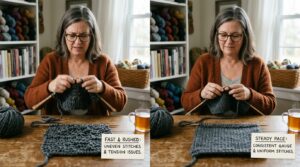
For beginners, selecting an appropriate first project is key to a positive experience. Opt for patterns that use basic stitches and require minimal shaping. A simple garter stitch scarf for knitting or a single crochet washcloth for crocheting are excellent starting points. These projects allow you to focus on developing a consistent tension and understanding the rhythm of the craft without feeling overwhelmed. Furthermore, choose a smooth, light-colored yarn in a medium weight, as this will make your stitches easier to see and work with. Don’t forget to consider the right knitting needle sizes or hook for your chosen yarn, as this makes a significant difference.
Embracing knitting and crochet is truly an investment in your well-being. So pick up your needles or hook, choose your favorite yarn, and allow yourself to experience the profound positive impacts these crafts can have on your life. The numerous benefits of knitting crochet are waiting for you to discover.
Conclusion: A Holistic Approach to Well-being
In summary, the benefits of knitting crochet are far-reaching, touching upon mental, emotional, physical, and even social aspects of our lives. These crafts offer a unique blend of meditative calm, cognitive stimulation, creative expression, and community connection. From reducing stress and anxiety to improving dexterity and fostering a sense of purpose, the act of creating with yarn provides a holistic approach to nurturing well-being. Whether you’re a seasoned crafter or just beginning your journey, the gentle rhythm of stitches holds the power to transform not just yarn into beautiful objects, but also moments into mindfulness and solitude into connection. It’s a journey worth embarking on, stitch by stitch, for a healthier, happier you.
Further Research on Crafting and Well-being
Harvard Health Publishing on Hobbies and Health
FAQ
What are the primary well-being advantages of yarn crafts?
The primary well-being advantages include stress reduction, enhanced mindfulness, improved fine motor skills, cognitive stimulation, and opportunities for social connection. Engaging in these activities offers a peaceful escape from daily pressures.
Can knitting or crocheting help with anxiety?
Yes, many people find that the repetitive motions and focused attention required for knitting and crocheting act as a meditative practice, which can significantly help in reducing anxiety and promoting a sense of calm.
Are there any physical health benefits to these crafts?
Absolutely. These crafts can improve dexterity, fine motor skills, and hand-eye coordination. They also offer a gentle way to keep joints supple and muscles engaged, especially beneficial for maintaining hand health.
How do these crafts contribute to mental stimulation?
Following patterns, counting stitches, and problem-solving errors all engage various parts of the brain, improving concentration, memory, and spatial reasoning. This mental workout can help maintain cognitive function.
Is there a community aspect to knitting and crochet?
Yes, a strong community aspect exists. Crafters often join local groups or online forums, fostering social connections, shared learning, and mutual support. This combats isolation and builds lasting friendships.