In an era where conscious consumption is more important than ever, embracing sustainable knitting practices allows us to align our beloved craft with our values. The knitting and crochet community is a vibrant part of a global market projected to reach USD 64.6 billion by 2035. A significant driver of this growth, accounting for 58% of demand, is the increasing interest in DIY crafting and sustainable materials. This isn’t just a fleeting trend; it’s a fundamental shift towards more mindful making.
Why Embrace Eco-Friendly Knitting?
The call for sustainability resonates deeply within the crafting world. Data from 2024 shows that nearly 49% of yarn manufacturers now incorporate recycled fibers or organic materials, a substantial leap from just 21% in 2018. Furthermore, approximately 33% of global consumers prioritize biodegradable yarns, and 27% actively seek cruelty-free wool alternatives. This clearly indicates a strong desire for eco-conscious choices among knitters and crocheters.
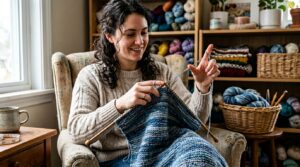
Beyond the environmental impact, mindful making also connects to our mental well-being. Crafting offers a welcome contrast to digital saturation, providing focus, patience, and relaxation. When we choose sustainable materials, we’re not just making a blanket or a sweater. We’re creating something that embodies our commitment to a healthier planet, enriching the mental health benefits of our craft.
Choosing Your Eco-Friendly Yarns for Sustainable Knitting Practices
The first step towards sustainable knitting practices begins with your material selection. Thankfully, the market is rich with options:
- Organic Cotton: Grown without harmful pesticides or synthetic fertilizers, organic cotton is soft, breathable, and a fantastic choice for garments and baby items.
- Hemp and Linen: These plant-based fibers are incredibly durable, require less water to grow than cotton, and become softer with each wash. They offer a beautiful drape and texture.
- Bamboo: Known for its silky feel and excellent breathability, bamboo is a fast-growing, renewable resource.
- Recycled Fibers: A true innovation in sustainability, these yarns are often made from plastic bottles (RPET) or textile scraps. Brands like Lion Brand Yarns have been at the forefront, introducing new lines of eco-friendly yarns that repurpose waste into beautiful crafting material. Using recycled yarns diverts waste from landfills and reduces the demand for virgin resources.
- Ethically Sourced Wool: While not plant-based, wool can be sustainable when sourced from farms practicing responsible land management and animal welfare. Look for certifications that guarantee cruelty-free and environmentally sound practices.
When selecting your yarn, take a moment to research the brand’s commitment to sustainability. Many companies are transparent about their sourcing and production methods, making it easier for you to make informed decisions.
Reducing Waste in Your Crafting Journey
Minimizing waste is another cornerstone of eco-friendly crafting. Consider these practical approaches:
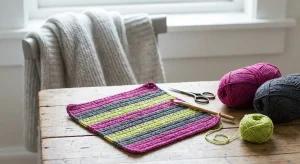
- Use Yarn Scraps Creatively: Don’t discard small bits of yarn. Instead, save them for scrap blankets, colorful embellishments, or small amigurumi projects. Similarly, explore techniques like stripe knitting or fair isle to use up those smaller quantities effectively.
- Invest in Reusable Tools: Opt for durable, high-quality needles and hooks made from sustainable materials like bamboo or recycled aluminum. These tools last longer, reducing the need for frequent replacements. For example, understanding All You Need to Know About Crochet Hooks in One Place can help you choose tools that last.
- Avoid Single-Use Plastics: Store your projects and yarns in reusable fabric bags rather than plastic. Furthermore, when purchasing supplies, choose retailers who prioritize minimal packaging.
By adopting these habits, you significantly reduce the environmental footprint of your hobby. You also contribute to a healthier planet with every stitch.
Caring for Your Hand-Knits Sustainably
The lifespan of your handcrafted items directly impacts their sustainability. Proper care ensures they last longer, reducing the need for new garments. Here’s how to maintain your creations with an eco-conscious mindset:
- Gentle Washing: Hand wash delicate items with cold water and mild, eco-friendly detergents. Machine washing can be harsh on fibers, leading to premature wear. Likewise, avoid excessive heat which can damage natural fibers.
- Air Drying: Whenever possible, air dry your knitted and crocheted items flat to maintain their shape and conserve energy. Consequently, this also extends the life of the fibers.
- Repair, Don’t Replace: Learn basic mending techniques for small snags or holes. A simple repair can save a beloved item from the landfill and is a key aspect of sustainable knitting practices. This approach embodies the true spirit of mindful consumption.
Taking good care of your finished projects is just as important as choosing sustainable materials. It completes the cycle of responsible crafting.
The Impact of Mindful Making on Communities
Beyond individual choices, sustainable knitting practices have a ripple effect on global communities. Supporting brands that prioritize fair trade and ethical labor practices ensures that the people behind your yarn are treated justly. Many small businesses and cooperatives worldwide rely on the crafting industry. By choosing to buy from them, you support local economies and traditional craft techniques. For example, some companies invest in educational programs for their workers, fostering skill development and economic empowerment. This broader perspective highlights how our craft can be a force for good.
Embracing Circularity in Your Craft
The concept of a circular economy is gaining traction, and it applies beautifully to our crafting. This involves keeping resources in use for as long as possible. Consider these aspects of circularity:
- Donating and Swapping Yarn: If you have unused yarn, consider donating it to local schools, charities, or senior centers. Yarn swaps with other crafters are also excellent ways to refresh your stash without buying new.
- Deconstructing Old Projects: Unraveling old or unwanted knitted items allows you to reuse the yarn for new projects. This is a truly satisfying way to practice yarn sustainability. Moreover, it reduces waste and gives new life to forgotten fiber.
- Recycling Textile Waste: Research local textile recycling options for unusable yarn scraps or damaged projects. While not always readily available, these programs are expanding. They provide an important outlet for materials that cannot be reused.
By embracing circularity, we move away from a linear