The world of knitting and crochet is evolving. There is now a strong emphasis on sustainability and personal values. Eco-conscious knitting projects are at the forefront of this transformation. They allow crafters to create beautiful items that also reflect a commitment to the planet. Consider this: 58% of demand is driven by sustainable materials, especially among younger consumers. Furthermore, the global knitting and crochet market is projected to reach $64.6 billion by 2035. Therefore, there has never been a better time to align your craft with your values. At Knit n Style, we believe in empowering you to create with intention. We offer free resources to guide your journey into thoughtful making.
Why Embrace Eco-Friendly Crafting?
Choosing to knit or crochet with sustainability in mind goes beyond just selecting a yarn. It is about a holistic approach to your craft. This approach considers the entire lifecycle of your project, from fiber sourcing to its lasting impact. This focus resonates deeply with the growing trend of mental wellness and self-expression through crafting. Your handmade pieces become statements of your personality and values. They celebrate not just creativity, but also responsibility.
The Rise of Sustainable Trends
Industry data from 2025-2026 highlights a significant shift. Nearly 49% of yarn manufacturers incorporated recycled or organic fibers in 2024. Consumers are actively seeking out biodegradable yarns (33%) and cruelty-free wool alternatives (27%). This means there is an abundance of beautiful, ethically produced materials available. Consequently, it is easier than ever to embark on sustainable crafting endeavors.
Inspiring Eco-Conscious Knitting Projects
Ready to get started? Here are some project ideas that beautifully blend style, utility, and sustainability. These projects exemplify the spirit of mindful making. They also offer practical applications for your everyday life.
1. Reusable Market Bags & Produce Sacks
Say goodbye to single-use plastics! Knit or crochet sturdy market bags and lightweight produce sacks. Use durable, natural fibers like organic cotton, hemp, or linen. These projects are often quick to make, highly practical, and significantly reduce your environmental footprint with every shopping trip. Imagine a vibrant deep teal market bag or a set of natural oat-colored produce bags. Furthermore, these items make wonderful gifts, encouraging others to adopt more sustainable habits. For instance, you could create a set of mesh produce bags for your friends and family.
2. Upcycled Home Decor
Give old textiles a new life! Use fabric scraps, old t-shirts (cut into ‘t-shirt yarn’), or even unraveled thrift store sweaters to create unique home decor. Think chunky knit rugs, textured throw pillows, or stylish storage baskets. This form of upcycling is incredibly creative and reduces waste. It transforms forgotten items into cherished home accents. A multi-toned grey and charcoal rug made from old t-shirts can add modern charm. Similarly, an old wool sweater could become a cozy cushion cover. This approach to sustainable knitting projects truly embodies resourcefulness.
3. Mindful Garments & Accessories
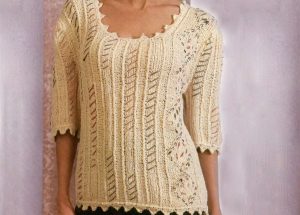
Create timeless pieces you will cherish for years. Make them from sustainable yarns. Think a cozy sweater from responsibly sourced wool, a breathable summer top from organic bamboo, or a delicate shawl from peace silk. Focus on classic designs and high-quality materials. This ensures your handmade wardrobe items will last. Moreover, they will remain stylish for seasons to come. Choosing such yarns supports ethical production and reduces the demand for fast fashion. For example, a cardigan made from alpaca wool is both warm and responsibly sourced. You can find many knitting patterns for these types of mindful garments. Consider exploring different knitting stitches to add texture and interest to your pieces.
Choosing Sustainable Yarns for Your Projects
The foundation of any eco-conscious knitting project lies in the yarn you choose. Understanding different sustainable fiber options is crucial. It allows you to make informed decisions that align with your values. Fortunately, the market for environmentally friendly yarns is expanding rapidly.
Organic and Natural Fibers
Organic cotton, linen, and hemp are excellent choices. They are grown without harmful pesticides or synthetic fertilizers. These fibers are breathable, durable, and biodegradable. Organic wool, alpaca, and other animal fibers are also available from farms that prioritize animal welfare and sustainable land management. When selecting these, look for certifications like GOTS (Global Organic Textile Standard) for organic fibers or Responsible Wool Standard (RWS) for wool. These certifications provide assurance of ethical and environmental practices. For instance, organic cotton is perfect for baby blankets due to its softness and lack of harsh chemicals. Furthermore, hemp yarn offers remarkable strength and durability, ideal for items like bags.
Recycled and Upcycled Yarns
Recycled yarns give new life to discarded materials. These can include recycled cotton from textile waste, recycled polyester from plastic bottles, or even recycled denim. Upcycled yarns, often made from unraveled garments or fabric scraps, also contribute to a circular economy. Using these yarns significantly reduces landfill waste and conserves resources. A blanket made from recycled denim yarn offers a unique texture and a story of transformation. You might even find some fascinating Red Heart yarns that incorporate recycled materials. This makes them suitable for many eco-conscious knitting projects.
Plant-Based and Innovative Fibers
Beyond traditional natural fibers, many innovative plant-based options are emerging. These include bamboo, Tencel (lyocell), and even yarns made from corn or soy. Bamboo is known for its softness and drape, while Tencel is produced using an environmentally responsible closed-loop process. These fibers offer unique properties and a lower environmental footprint compared to conventional synthetic options. Moreover, they often provide excellent breathability and comfort, making them ideal for garments. For example, a summer top knit with bamboo yarn would be wonderfully light and cool.
Tips for Sustainable Crafting Practices
Beyond yarn selection, adopting sustainable practices throughout your crafting journey further enhances your eco-conscious efforts. Every small choice contributes to a larger positive impact.
Minimize Waste
Try to use every bit of yarn! Save scraps for smaller projects like pompoms, embellishments, or colorwork. Consider knitting or crocheting swatches for gauge. Then, unravel them and reuse the yarn for your main project. This reduces waste significantly. Furthermore, proper storage of your yarn can prevent tangles and damage, ensuring it lasts longer. For example, use airtight containers to protect against pests and dust.
Care for Your Handmade Items
Proper care extends the life of your finished projects. This reduces the need for frequent replacements. Follow care instructions for your chosen fiber. Hand washing and air drying often save energy and prevent damage to delicate items. Moreover, repairing minor wear and tear promptly can prevent larger issues. A well-cared-for hand-knit sweater can last for decades. This stands in contrast to fast-fashion alternatives. Learning knitting stitches also helps you understand how to mend your creations effectively.
Support Local and Ethical Businesses
Purchasing yarns from local yarn stores or small independent dyers often means supporting businesses with transparent and ethical supply chains. These businesses frequently prioritize sustainable practices and fair labor. Researching the brands you buy from can help you make more responsible choices. For instance, many local farms offer their own sustainably raised wool. This directly supports local economies and reduces transportation emissions.
Share Your Knowledge
Inspire others by sharing your journey into eco-conscious knitting projects. Talk about the sustainable materials you use and the reasons behind your choices. This helps to spread awareness and encourages more crafters to embrace environmentally friendly practices. Consider joining online communities dedicated to sustainable crafting. There, you can exchange ideas and tips with like-minded individuals. For example, you could share your experience with creating an upcycled rug on social media.
Embarking on Your Eco-Conscious Knitting Journey
Embracing eco-conscious knitting projects is a rewarding endeavor. It allows you to express your creativity while making a positive impact on the environment. From selecting sustainable yarns to adopting mindful crafting habits, every step contributes to a more responsible and fulfilling crafting experience. These thoughtful knitting projects are more than just hobbies; they are a lifestyle choice that reflects a deeper commitment to our planet.
At Knit n Style, we are committed to providing you with the resources you need to succeed. We offer extensive guides on various crochet stitches and techniques, as well as information on knitting needles. Our goal is to empower every crafter, regardless of skill level, to make beautiful and sustainable items. By choosing to create with purpose, you join a growing community of crafters who are making a difference, one stitch at a time. This movement is truly global, with crafters worldwide adopting sustainable methods. For more in-depth information on the impact of sustainable textiles, you might consult resources like the Textile Exchange: https://textileexchange.org/. Furthermore, exploring the broader implications of textile waste can be found through organizations like the Ellen MacArthur Foundation: https://www.ellenmacarthurfoundation.org/.
We hope this guide inspires you to begin or continue your journey with thoughtful knitting projects. Remember, every choice, no matter how small, contributes to a healthier planet and a more conscious crafting community. Explore our site for more inspiration and guidance on all your knitting and crochet adventures!
FAQ
What does ‘eco-conscious crafting’ mean?
Eco-conscious crafting refers to making items with an awareness of their environmental impact. This includes choosing sustainable materials, minimizing waste, and adopting practices that reduce harm to the planet throughout the crafting process.
What types of yarns are considered sustainable?
Sustainable yarns typically include organic natural fibers (like organic cotton, hemp, linen, RWS-certified wool), recycled yarns (from plastic bottles or textile waste), and innovative plant-based fibers (such as bamboo or Tencel). These choices aim to reduce environmental footprint.
How can I reduce waste in my knitting projects?
To minimize waste, use yarn scraps for smaller items, unravel swatches to reuse yarn, and store materials carefully to prevent damage. Consider using upcycled materials like old t-shirts or unraveled sweaters for new creations.
Are there any certifications for sustainable yarns?
Yes, look for certifications like GOTS (Global Organic Textile Standard) for organic fibers, RWS (Responsible Wool Standard) for wool, and Oeko-Tex Standard 100 for textiles tested for harmful substances. These help ensure ethical and environmental production.
Where can I find patterns for sustainable knitting projects?
Many online platforms and independent designers offer patterns specifically designed for sustainable materials. You can also adapt existing patterns by substituting conventional yarns with eco-friendly alternatives. Knit n Style provides numerous free resources and guides to help you get started.