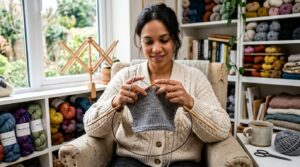
The world of knitting is constantly evolving, driven by creativity, community, and a growing appreciation for handmade items. If you’re wondering what to cast on next, understanding the current knitting project trends can provide endless inspiration. The global knitting and crochet market is experiencing robust growth, reaching an estimated USD 35.44 billion in 2026, with a projected climb to USD 64.6 billion by 2035. This expansion is fueled by diverse demographics, particularly younger individuals aged 18–34, who are increasingly drawn to the craft. What are they making, and why?
Crafting, especially knitting and crochet, offers a unique blend of relaxation and productive creativity. Many individuals find solace in the rhythmic motion of needles and yarn, transforming simple strands into intricate designs. Furthermore, the satisfaction of creating something tangible and beautiful with one’s own hands is deeply rewarding. As a result, more people are exploring this fulfilling hobby, seeking out new patterns and innovative techniques. This article will explore the most exciting developments shaping the craft world today.
The Rise of Wearable Art and Statement Pieces
One of the most prominent knitting project trends is the creation of unique, wearable garments that serve as expressions of personal style. Handmade pieces reflect the maker’s personality and values, moving beyond simple utility to become true fashion statements. We’re seeing a strong emphasis on:
- Oversized Sweaters and Cardigans: Comfort remains king, but with a stylish twist. Think chunky knits, intricate cables, and bold color blocking. These pieces offer a cozy yet chic aesthetic that transitions well across seasons.
- Textured Accessories: Scarves, hats, and cowls are no longer just for warmth. Knitters are experimenting with complex stitch patterns, brioche, and unique yarn combinations to create accessories that add a pop of texture and color to any outfit.
- Matching Sets: Coordinated knit tops and skirts or cardigans and trousers are gaining popularity, offering a polished, put-together look that showcases knitting skills.
This trend is partly driven by the increased interest in DIY crafting, which accounts for 58% of demand, as consumers seek unique items that stand out from fast fashion. Moreover, the desire for sustainable and ethically produced clothing also plays a significant role. Many crafters prefer to create their own garments, knowing exactly where the materials come from and the effort involved.
Home Decor with a Handmade Touch
Beyond personal wardrobes, knitting project trends are also making a significant impact on home decor. Handmade items bring warmth, texture, and a personalized feel to living spaces. Popular projects include:
- Textured Cushions and Throws: Using chunky yarns and interesting stitch patterns like bobbles or basketweave, knitters are creating cozy accents for sofas and beds.
- Wall Hangings: Macrame-style knit wall hangings or intricate tapestry knits are becoming popular art pieces, adding a bohemian or modern touch to walls.
- Storage Baskets: Sturdy, crocheted or knit baskets made with t-shirt yarn or thick cotton are both functional and stylish for organizing clutter.
These projects allow crafters to infuse their homes with their personality, creating environments that feel truly unique and handcrafted. Furthermore, the tactile nature of knitted home decor adds an inviting element, making spaces feel more comfortable and lived-in. Many enjoy the process of selecting A Trusted Yarn for More Than 3/4 of a Century – Red Heart or other quality fibers for these projects.
Gifting and Community Building Through Craft
Knitting and crochet are inherently social activities, and the importance of community and connection is growing. Over 65 million individuals globally engaged in knitting and crochet activities in 2024, representing a 12% increase from previous years. This surge highlights the social aspect of crafting. As a result, many crafters enjoy making gifts for loved ones, which strengthens bonds and shows appreciation. Hand-knitted items carry a personal touch that store-bought gifts often lack.
Furthermore, online forums and local knitting groups provide spaces for crafters to share ideas, learn new techniques, and support each other. This sense of community fuels creativity and encourages individuals to try more complex knitting project trends. For example, many groups organize charity knitting drives, creating blankets or clothing for those in need, which adds another layer of meaning to the craft.
Sustainable and Eco-Conscious Crafting
A significant shift in the crafting world is the increasing focus on sustainability. Crafters are becoming more aware of their environmental impact, leading to a demand for eco-friendly materials and practices. Consequently, many are seeking out:
- Recycled and Upcycled Yarns: Yarns made from recycled plastics, cotton scraps, or even old sweaters are gaining popularity. These options reduce waste and offer unique textures.
- Natural Fibers: Organic cotton, bamboo, linen, and ethically sourced wool are preferred for their biodegradability and minimal environmental footprint.
- Durable and Long-Lasting Projects: Instead of fast fashion, knitters are investing time and effort into creating high-quality items designed to last, reducing the need for frequent replacements.
This mindful approach extends to the entire crafting process, from choosing materials to the longevity of the finished piece. This also means understanding how to care for handmade items to ensure they endure. Therefore, learning about different Knitting Stitches for Beginners – The Best Place to Start can help create more durable goods.
Exploring New Techniques and Skill Development
The knitting community is always eager to learn and expand its skill set. This desire for growth drives many of the emerging knitting project trends. Knitters are actively seeking out:
- Intricate Colorwork: Techniques like Fair Isle, intarsia, and mosaic knitting are becoming more accessible through online tutorials and patterns. These methods allow for stunning visual designs.
- Brioche Knitting: Known for its reversible, lofty fabric, brioche knitting adds a luxurious texture to scarves, cowls, and garments. It’s a rewarding technique to master.
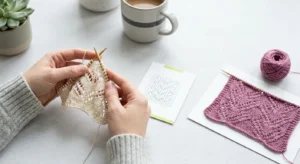
- Lace Knitting: Delicate and airy, lace patterns create elegant garments and accessories. Many find the challenge of intricate lace charts appealing.
- Amigurumi and Miniatures: While often associated with crochet, knitters are also creating small, stuffed figures and miniature items. These projects are quick and perfect for using up scrap yarn.
Learning new skills not only enhances a crafter’s repertoire but also opens up new possibilities for creative expression. For example, mastering various All You Need to Know About Knitting Patterns and More can transform simple projects into complex works of art. The availability of online resources, such as video tutorials and detailed pattern instructions, makes it easier than ever for knitters of all levels to tackle advanced techniques. This continuous learning keeps the craft exciting and engaging.
The Influence of Social Media and Online Communities
Social media platforms like Instagram, Pinterest, and TikTok play a crucial role in shaping knitting project trends. Crafters share their works in progress, finished objects, and creative processes, inspiring a global audience. This visual sharing rapidly disseminates new ideas and encourages experimentation. For instance, a viral post featuring a unique sweater design can quickly lead to hundreds, if not thousands, of knitters attempting to replicate or adapt it.
Additionally, online communities foster a sense of belonging and provide valuable resources. Forums and Ravelry groups allow knitters to ask questions, troubleshoot problems, and celebrate each other’s achievements. This interconnectedness accelerates the adoption of new styles and techniques, ensuring that the craft remains vibrant and dynamic. Indeed, the collaborative spirit of these online spaces is a cornerstone of modern knitting.
Therapeutic Benefits of Knitting
Beyond the tangible creations, many people turn to knitting for its therapeutic benefits. The repetitive motion and focused attention required for knitting can reduce stress and anxiety, acting as a form of mindfulness. This aspect contributes significantly to the growth of the craft, especially in a world that often feels overwhelming. Consequently, individuals find that the act of knitting provides a calming escape, promoting mental well-being.
Research suggests that crafting can lower heart rate and blood pressure, similar to meditation. Therefore, engaging in knitting not only produces beautiful items but also supports mental health. This dual benefit makes knitting an increasingly attractive hobby for people seeking both creative expression and a sense of calm. These therapeutic advantages are a key reason for the sustained interest in knitting project trends.
Looking Ahead: What’s Next for Knitting?
As we look towards 2025 and beyond, several themes are likely to continue influencing knitting project trends. Personalization will remain a strong driver, with knitters seeking ways to customize patterns and create truly unique items. Furthermore, the emphasis on sustainability will only grow, pushing for even more innovative eco-friendly yarns and practices. The intersection of technology and traditional craft, through digital patterns and online learning, will also continue to evolve.
Moreover, the global community aspect of knitting is set to strengthen further. With more people discovering the joy of creating with yarn, the sharing of ideas and techniques will continue at an accelerated pace. Whether it’s through oversized cardigans, textured home decor, or delicate lace shawls, the future of knitting promises to be as diverse and inspiring as the crafters themselves. Therefore, staying connected with the community and exploring new resources will keep your needles clicking with exciting projects.
In conclusion, the world of knitting is a vibrant and ever-evolving landscape. The current knitting project trends reflect a blend of personal expression, community connection, and a growing consciousness for sustainability. From creating unique wearable art to adorning homes with handmade touches, and from mastering new techniques to fostering mental well-being, knitting offers a rich tapestry of experiences. As the crafting community continues to grow and innovate, there will always be something new and exciting to cast on. Embrace these trends, find your inspiration, and enjoy the journey of creation!
FAQ
What are the most popular items to knit right now?
Currently, popular items include oversized sweaters and cardigans, textured accessories like scarves and hats, and coordinated knit sets. For home decor, chunky throws, decorative cushions, and wall hangings are also highly sought after by crafters.
How do I find inspiration for my next knitting endeavor?
You can find inspiration by exploring social media platforms like Instagram and Pinterest, joining online knitting communities on sites like Ravelry, or visiting your local yarn store. Looking at fashion magazines and home decor blogs can also spark new ideas for your crafting.
Are there any new knitting techniques gaining popularity?
Yes, several techniques are becoming more popular. These include intricate colorwork methods like Fair Isle and intarsia, the plush texture of brioche knitting, and delicate lace patterns. Amigurumi, often seen in crochet, is also being adapted by knitters for small figures.
What kind of yarn should I use for sustainable projects?
For sustainable projects, consider yarns made from recycled materials, organic cotton, bamboo, or ethically sourced wool. These choices minimize environmental impact and support eco-conscious crafting practices. Many brands are now offering transparent sourcing information.
Why is crafting, particularly knitting, becoming so popular among younger generations?
Younger generations are drawn to knitting for several reasons. It offers a creative outlet for personal expression, a sense of accomplishment, and a way to connect with a supportive online community. The desire for unique, handmade items over fast fashion and the therapeutic benefits of crafting also play a significant role.