Understanding crochet hook sizes explained is fundamental for any crocheter. Whether you’re a beginner or looking to refine your technique, the right hook size ensures consistent stitches. Furthermore, it helps your gauge match the pattern, and your finished project achieves the desired drape and texture. This guide will demystify the various sizing systems. We will also help you confidently choose the perfect hook for any yarn and project.
Decoding Crochet Hook Sizes Explained
Crochet hooks come in a bewildering array of sizes. Often, they are labeled with letters, numbers, or millimeters. The millimeter (mm) measurement refers to the diameter of the shaft. This dictates the size of your stitch. In fact, this is the most accurate and universal measurement. For example, a 5.0 mm hook will always create a stitch where the loop is 5.0 mm in diameter. However, many patterns and hooks still use traditional letter (US) or number (UK/Canadian) systems. It’s crucial to consult a conversion chart. A ‘G’ hook in the US system, for instance, might correspond to a completely different size in another system. Always prioritize the millimeter size when possible, especially when working with patterns that specify it. This ensures consistency regardless of where your hook or pattern originates. You can find many free conversion charts on KnitnStyle.com to help you. All You Need to Know About Crochet Hooks in One Place offers even more insights into choosing the right tools.
The Universal Millimeter Standard
The millimeter measurement is truly the international standard for crochet hooks. It provides an exact diameter for the hook’s shaft. This is the part that determines the size of your yarn loop. Consequently, it directly impacts the size of your stitches. When a pattern specifies a 4.0 mm hook, you can be sure of the exact size needed, regardless of the brand or country of origin. This standardization is incredibly helpful for maintaining accuracy in your projects. Moreover, it eliminates much of the guesswork associated with different regional sizing systems. Always look for the millimeter size first. It will be the most reliable indicator.
Navigating US Letter and UK/Canadian Number Systems
While the millimeter system is universal, many crocheters encounter US letter and UK/Canadian number sizing. These systems can be confusing because they do not have a direct, linear correlation across the board. For instance, a US G/6 hook is typically 4.0 mm, while a UK/Canadian 8 is also 4.0 mm. However, as sizes increase or decrease, the corresponding letters and numbers might not align perfectly between the two non-millimeter systems. This is why conversion charts are indispensable. They act as a bridge between these varying standards. Always keep a reliable chart handy. This is particularly important when working with vintage patterns or hooks from different regions. Understanding these differences is key to mastering crochet hook sizes explained.
Why Gauge Matters: The Heart of Hook Selection
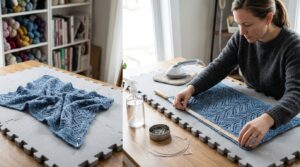
Gauge is perhaps the most critical aspect when selecting your crochet hook. It refers to the number of stitches and rows per inch (or centimeter) that your chosen yarn and hook combination produces. Most patterns will include a gauge swatch requirement. This allows you to test your tension. If your swatch is too small, you might need a larger hook. Conversely, if it’s too large, a smaller hook is necessary. Achieving the correct gauge is paramount for garments and fitted items. Without it, your finished project may not fit as intended. Even for items like blankets, maintaining consistent gauge ensures a uniform and pleasing fabric. Therefore, always make a gauge swatch before starting a major project.
Matching Hook Size to Yarn Weight and Project
Selecting the correct hook size isn’t just about reading the label; it’s about understanding its relationship with yarn weight and your desired fabric. Yarn labels typically recommend a range of hook sizes. Lighter yarns, like fingering or sport weight, generally require smaller hooks (e.g., 2.0 mm – 4.0 mm) to create a dense fabric. Bulkier yarns, such as chunky or super bulky, need larger hooks (e.g., 8.0 mm – 12.0 mm or more) to achieve a looser, softer drape. Your personal tension also plays a significant role. If you crochet tightly, you might need to go up a hook size to meet gauge. Conversely, for loose crocheters, going down a hook size might be necessary. For garments, matching the pattern’s gauge is paramount to ensure the finished item fits. For blankets or accessories where exact sizing isn’t critical, you have more freedom to experiment with hook sizes to achieve your preferred fabric. This experimentation is a wonderful way to truly understand crochet hook sizes explained in practice.
Yarn Weight Categories and Recommended Hooks
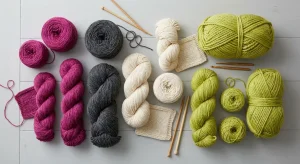
Yarn weight is a primary factor in determining your ideal hook size. Yarns are categorized into different weights, from lace to super bulky. Each category has a general range of recommended hook sizes. For example, lace weight yarns often call for hooks as small as 1.5 mm to 2.5 mm to create delicate, airy fabrics. On the other hand, worsted weight, a very common yarn, usually pairs well with 5.0 mm to 6.0 mm hooks. Super bulky yarns, designed for quick projects and chunky textures, might require hooks 10.0 mm or larger. Understanding these general guidelines provides a solid starting point. However, remember that these are just recommendations. Your specific project and tension will ultimately dictate the best choice. This knowledge is crucial for anyone learning about crochet hook sizes explained.
The Impact of Personal Tension
Every crocheter has a unique tension. Some people naturally crochet tighter, while others have a looser hand. This personal tension significantly influences your stitch size. For instance, if you consistently crochet tightly, you might find that your stitches are smaller than the pattern intends, even when using the recommended hook. In such cases, going up a hook size (e.g., from a 5.0 mm to a 5.5 mm) can help you achieve the correct gauge. Conversely, if you crochet very loosely, your stitches might be larger, requiring you to go down a hook size. Practicing with a gauge swatch is the best way to understand your personal tension. Adjusting your hook size based on your swatch results is a common and effective technique for success. This adaptability is a key part of mastering crochet hook sizes explained.
Project Type and Desired Fabric
The type of project you are working on also influences hook selection. For example, a tight, dense fabric is often desired for amigurumi (crocheted toys) to prevent stuffing from showing through. This might mean using a hook slightly smaller than what the yarn label suggests. For a soft, drapey scarf or blanket, you might opt for a larger hook to create a looser, more flexible fabric. Garments, as mentioned, demand precise gauge matching for fit. Items like dishcloths, however, offer more flexibility. You can experiment with different hook sizes to achieve your preferred texture and absorbency. Consider the end use of your project. This will guide your decision on whether to stick strictly to recommendations or to deviate for a specific effect. Understanding crochet hook sizes explained in this context enhances your creative freedom.
Advanced Tips for Choosing Your Crochet Hook
Beyond the basics, there are several advanced considerations for selecting your crochet hook. Material, ergonomic design, and even the hook’s head shape can all impact your crocheting experience. Different materials, such as aluminum, bamboo, or plastic, offer varied gliding properties. Ergonomic hooks are designed to reduce hand strain. This is especially beneficial for long crocheting sessions. The head shape, whether inline or tapered, affects how easily the hook catches and pulls yarn. Exploring these nuances can further enhance your comfort and efficiency. Therefore, don’t hesitate to try different types to find what works best for you. This deeper understanding truly solidifies your grasp of crochet hook sizes explained.
Hook Materials: Aluminum, Bamboo, Plastic, and More
Crochet hooks are crafted from a variety of materials, each offering distinct advantages. Aluminum hooks are typically smooth and allow yarn to glide easily. They are durable and widely available. Bamboo or wooden hooks, conversely, have a bit more grip. This can be beneficial for slippery yarns or for crocheters who tend to crochet very loosely. Plastic hooks are lightweight and often inexpensive, making them a good choice for beginners or for larger hook sizes. Steel hooks are primarily used for fine thread crochet, creating delicate lace work. Experimenting with different materials can reveal a preference that significantly improves your comfort and speed. Knowing about these options is an important part of understanding crochet hook sizes explained.
Furthermore, some specialty hooks are made from glass or even exotic woods. These can be beautiful and offer a unique crocheting experience. However, they might require more careful handling. Consider the yarn you are using. A sticky yarn might benefit from a very smooth hook, while a very slick yarn might be easier to manage with a hook that has a bit more friction. The Craft Yarn Council provides detailed information on hook sizing and materials, which can be a valuable resource.
Ergonomic Hooks for Comfort and Health
For many crocheters, especially those who spend hours on projects, ergonomic hooks are a game-changer. These hooks are designed with handles that are shaped to fit comfortably in the hand. They reduce strain on wrists and fingers. This can prevent discomfort or even repetitive strain injuries. Standard hooks often have thin, uniform handles. Ergonomic hooks, however, feature wider, sculpted grips made from rubber, silicone, or other soft materials. While they might be a bit more expensive, the investment can be well worth it for the added comfort and ability to crochet for longer periods without pain. Prioritizing your hand health is just as important as understanding crochet hook sizes explained.
Inline vs. Tapered Hook Heads
The shape of the hook’s head is another subtle yet impactful feature. There are two primary types: inline and tapered. An inline hook has a shaft that is the same diameter as the head. This means the hook’s throat is directly in line with the shaft, creating a more defined, sharper point. Many crocheters find inline hooks provide greater precision, making it easier to create uniform stitches. A tapered hook, by contrast, has a head that is slightly narrower than the shaft, with a more rounded point. This design allows for easier insertion into stitches, especially tighter ones. The choice between inline and tapered is largely a matter of personal preference. It can affect your rhythm and how easily you manipulate the yarn. Try both types to see which one you prefer for different projects. This personal discovery is essential for truly mastering crochet hook sizes explained.
Maintaining Your Crochet Hooks and Tools
Proper care and organization of your crochet hooks and tools will ensure they last for years. Store your hooks in a dedicated case or roll to protect them from damage and keep them organized. Avoid leaving them loose in a bag where they could bend or scratch. Clean your hooks periodically, especially if you use them with different types of yarn that might leave residue. A gentle wipe with a damp cloth is usually sufficient. Regularly check your hooks for any nicks or burrs, which could snag your yarn. Smooth any rough spots with a fine-grit sandpaper if safe for the material, or consider replacing damaged hooks. Taking good care of your tools is an important part of any craft. This allows you to focus on the joy of creating. Remember, a well-maintained tool kit is a happy tool kit. You can explore more about A Quick Guide to Crochet Stitches and Techniques to see how different hooks influence stitch formation.
Crochet Hook Sizes Explained: Troubleshooting Common Issues
Even with a good understanding of crochet hook sizes explained, you might encounter issues. One common problem is inconsistent tension, leading to an uneven fabric. This can often be remedied by adjusting your grip on the hook or yarn, or by simply practicing more. Another issue is difficulty inserting the hook into stitches. This usually indicates your stitches are too tight, suggesting you might need a larger hook size or a looser hand. Conversely, if your stitches are too loose and gappy, a smaller hook might be required. Sometimes, a pattern might seem to call for an unusual hook size for a particular yarn. In such cases, trust your gauge swatch. If your swatch matches, proceed. If not, adjust your hook. Don’t be afraid to experiment and troubleshoot. Every crocheter faces challenges, and finding solutions is part of the learning process. Introducing Crochet Patterns and How to Read Them can help you further understand pattern specifics.
When Your Gauge is Off
Discovering your gauge is off can be frustrating, but it’s a very common hurdle. If your swatch is too small, meaning you have more stitches and rows per inch than the pattern specifies, it indicates your stitches are too tight. The solution is to use a larger crochet hook. For example, if the pattern calls for a 5.0 mm hook and your swatch is too small, try a 5.5 mm or even a 6.0 mm hook. Conversely, if your swatch is too large, meaning fewer stitches and rows per inch, your stitches are too loose. In this scenario, you’ll need to use a smaller hook, perhaps a 4.5 mm or 4.0 mm. Always make a new swatch with the adjusted hook size to confirm you’ve achieved the correct gauge before starting your project. This iterative process is key to getting crochet hook sizes explained right for your personal tension.
Dealing with Hand Strain
Hand strain, fatigue, or even pain can significantly detract from the enjoyment of crocheting. If you experience this, it’s a clear sign to evaluate your tools and technique. First, consider switching to ergonomic hooks. Their contoured handles can dramatically reduce stress on your hands and wrists. Second, pay attention to how you hold your hook and yarn. Gripping too tightly or maintaining a rigid posture can contribute to strain. Try to relax your grip. Take frequent breaks to stretch your hands and wrists. Staying hydrated and ensuring good lighting can also help. Don’t push through pain. Listen to your body and make adjustments. Your crafting journey should be enjoyable, not painful. This holistic approach is part of truly understanding crochet hook sizes explained and the overall crocheting experience.
Adapting Patterns for Different Yarns
Sometimes you fall in love with a pattern but want to use a different yarn weight than specified. This is entirely possible, but it requires careful adaptation. If you use a lighter yarn than recommended, you’ll likely need a smaller hook size and will end up with a smaller finished item. Conversely, using a bulkier yarn will require a larger hook and result in a larger project. The key is to make a gauge swatch with your chosen yarn and hook combination. Compare it to the pattern’s original gauge. You might need to adjust the number of stitches or rows to achieve a similar size. This creative problem-solving is a rewarding aspect of crochet. It highlights the flexible nature of crochet hook sizes explained when applied to different materials. Yarnspirations offers excellent resources on yarn weights and their recommended hook sizes, which can be very helpful for these adaptations.
Conclusion
Choosing the right crochet hook size doesn’t have to be a guessing game. By understanding the different sizing systems and how hook size interacts with yarn weight and project requirements, you’ll be well-equipped to tackle any crochet endeavor with confidence. This guide has aimed to make crochet hook sizes explained clear and accessible. From millimeter standards to personal tension, every detail plays a part in your success. Explore our extensive pattern library at KnitnStyle.com to put your newfound knowledge into practice! Happy crocheting!
FAQ
What’s the most reliable way to identify hook dimensions?
The most reliable way is by the millimeter (mm) measurement. This is a universal standard, directly indicating the diameter of the hook’s shaft. Always prioritize the millimeter size when a pattern specifies it.
How do I choose the right hook for my yarn?
Start by checking your yarn label for recommended hook ranges. Lighter yarns generally use smaller hooks, while bulkier yarns need larger hooks. Always make a gauge swatch to confirm your choice matches the pattern’s requirements.
Why is my crochet fabric too loose or too tight?
This is usually due to your personal tension. If your fabric is too loose, try a smaller hook. If it’s too tight, use a larger hook. Making a gauge swatch helps you adjust your hook size to achieve the desired fabric density.
Are ergonomic hooks worth the investment?
Many crocheters find ergonomic hooks highly beneficial. Their designed handles reduce hand and wrist strain, allowing for more comfortable and longer crocheting sessions. If you experience discomfort, they are definitely worth considering.
Can I use a different yarn weight than my pattern suggests?
Yes, but you’ll need to adjust your hook size and potentially the number of stitches or rows. Always make a gauge swatch with your chosen yarn and a suitable hook to see how it compares to the pattern’s original gauge. This ensures your finished project will be the correct size.