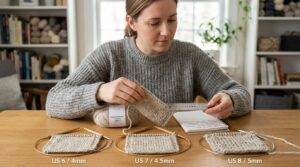
Every knitter knows the joy of a good pair of needles and a beautiful skein of yarn. But to truly enjoy and excel in your craft, knowing the essential knitting tools beyond just these basics is crucial. At Knit n Style, we believe that having the right equipment not only makes your knitting smoother and more enjoyable but also opens up a world of possibilities for more complex and ambitious projects. This comprehensive guide will walk you through the must-have items that can transform your knitting experience, from simple stitch markers to specialized blocking mats, ensuring you have the best supplies for every endeavor.
Think of your knitting toolkit as an extension of your creativity. Just as a painter needs a variety of brushes, a knitter benefits from a well-rounded set of supplies. These aren’t just gadgets; they are aids that help you maintain accuracy, manage your yarn, and achieve professional-looking finishes. Let’s build your ultimate knitting toolkit together, ensuring you have the best knitting supplies for every project you undertake.
The Foundational Five: Beyond Needles and Yarn
While needles and yarn are non-negotiable, these five items are the bedrock of an efficient knitting practice. Furthermore, they are often overlooked by newer knitters. Consequently, incorporating them early can prevent frustration and improve your outcomes.
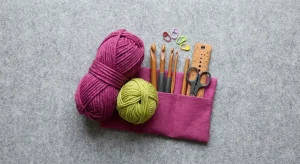
1. Stitch Markers: These small rings or clips are invaluable for marking pattern repeats, the beginning of a round, or increases and decreases. They prevent errors and keep you on track, especially in intricate lace or cable patterns. Significantly, they save time by clearly indicating important points in your work.
2. Tapestry Needles (Darning Needles): Essential for weaving in yarn ends neatly and seaming knitted pieces together invisibly. Look for ones with a blunt tip to avoid splitting yarn and a large eye to accommodate thicker yarns. In fact, a good set of these makes finishing work much less daunting.
3. Measuring Tape/Ruler: Crucial for checking your gauge (the number of stitches and rows per inch) and ensuring your finished project matches the pattern’s dimensions. A flexible tape measure is best for garments, while a ruler is great for swatches. Ultimately, accurate measurements are key to successful projects.
4. Row Counter: A simple device that helps you keep track of your rows, preventing you from losing your place in patterns with many repeats or shaping instructions. Available in clicker styles or digital versions, they are incredibly useful. Therefore, consider adding one to your collection early on.
5. Scissors/Yarn Snips: A sharp pair of small scissors or yarn snips is vital for cleanly cutting yarn ends and tidying up your work. Keep them dedicated to yarn to maintain their sharpness. Moreover, having them easily accessible prevents delays in your crafting.
Level Up Your Toolkit: Advanced Knitting Accessories
Once you’ve mastered the basics, consider these additions to tackle more sophisticated projects. These particular knitting equipment guide additions will undoubtedly enhance your crafting experience. In addition, they open up new design possibilities.
1. Blocking Mats & Pins: Blocking is the process of wetting and shaping your finished knitwear to its final dimensions. Blocking mats provide a surface, and T-pins hold your work in place. This step can dramatically improve the drape, evenness, and overall appearance of your finished items, especially lace or garments. For example, a delicate lace shawl truly shines after proper blocking. You can find more detailed information on blocking techniques from resources like Interweave.
2. Cable Needles: If you’re venturing into cable knitting, a cable needle holds stitches temporarily while you rearrange them to create those beautiful, twisted patterns. They come in various shapes and sizes; therefore, experiment to find what feels most comfortable for you. Notably, some knitters prefer U-shaped cables, while others like straight ones.
3. Stitch Holders: Similar to large safety pins, stitch holders keep live stitches secure when you need to set them aside, perhaps for a sleeve or collar that will be worked later. They are especially useful for holding stitches for button bands or when working with multiple pieces. Consequently, they prevent stitches from unraveling, saving you valuable time.
4. Point Protectors: These small caps fit over the ends of your knitting needles, preventing stitches from slipping off when your work is set down. They are particularly helpful when transporting projects or taking a break from knitting. Furthermore, they protect the needle tips from damage.
5. Yarn Winder & Swift: While not strictly necessary for every knitter, a yarn winder and swift are invaluable for those who frequently work with hanks of yarn. A swift holds the hank open, and the winder transforms it into a neat, center-pull cake, making it much easier to knit from. This setup not only organizes your yarn but also prevents tangles. Therefore, if you buy yarn in hanks, these are among the most practical knitting equipment you can acquire.
6. Magnifying Lamp: For knitters with vision challenges or those working with very fine yarns and intricate patterns, a magnifying lamp can be a true asset. It illuminates your work and magnifies your stitches, reducing eye strain. Similarly, good lighting in general is always beneficial for any crafting project.
7. Needle Gauge: Over time, the size markings on your needles might wear off. A needle gauge is a flat tool with holes of various sizes, allowing you to accurately measure the diameter of your needles. This ensures you are always using the correct needle size for your projects. In fact, checking your needle size is a good habit before starting any new piece.
The Best Knitting Supplies for Comfort and Efficiency
Beyond the fundamental tools, certain items focus on making your knitting experience more comfortable and efficient. These are especially important for longer knitting sessions. Moreover, they contribute to overall crafting enjoyment.
Ergonomic Considerations
Comfort is paramount when spending hours on a project. Therefore, choosing ergonomic knitting tools can make a significant difference. For example, consider needles with comfortable grips or those made from materials that feel good in your hands. Similarly, exploring options like choosing the best interchangeable knitting needles can provide versatility and comfort. Just as important, you might also be interested in ergonomic crochet hooks if you also enjoy that craft.
Project Bags and Organizers
Keeping your projects and supplies organized is key to a stress-free knitting experience. A dedicated project bag prevents your yarn from getting tangled and keeps all your current project’s tools in one place. Additionally, smaller pouches for notions like stitch markers and tapestry needles are incredibly useful. Consequently, you’ll spend less time searching for tools and more time knitting.
Yarn Management Tools
Managing your yarn effectively can prevent frustrating tangles. Yarn bowls are decorative and functional, keeping your ball of yarn from rolling away while you knit. For colorwork, bobbins can be used to manage smaller sections of different colored yarns, preventing them from becoming a tangled mess. These are truly among the most helpful knitting equipment for complex patterns.
Maintaining Your Essential Knitting Tools
Proper care of your knitting supplies ensures their longevity and performance. Therefore, a little maintenance goes a long way. This section offers tips on keeping your tools in top condition.
Cleaning and Storage
Keep your needles clean by wiping them down occasionally, especially after working with dark or heavily dyed yarns. Store them in cases or rolls to prevent damage and keep them organized. Similarly, ensure your scissors remain sharp by only using them for yarn. A good storage system for your essential knitting tools not only prolongs their life but also makes them easier to find.
Replacing Worn Items
Over time, even the best knitting supplies can show wear and tear. For example, needle tips might become dull, or measuring tapes might stretch. Be prepared to replace items as needed to maintain the quality of your work. Investing in durable, high-quality tools from the outset can reduce the frequency of replacements. In fact, many knitters find that a one-time investment in good tools pays off in the long run. To learn more about selecting the right materials, consider reading A Fiber Guide: Choosing Yarn for Seasonal Projects All Year Round.
Beyond the Basics: Expanding Your Craft with Specialized Tools
As your skills grow, you might find yourself drawn to specific knitting techniques that require even more specialized tools. These additions allow for greater creativity and precision. Ultimately, they empower you to tackle almost any project.
Sock Knitting Tools
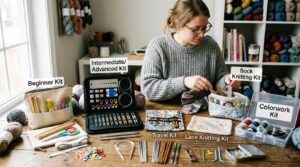
If sock knitting captures your interest, you might explore specific tools like small circumference circular needles (9-inch or 12-inch) or sets of double-pointed needles (DPNs). Magic Loop technique, which uses a longer circular needle to knit small circumferences, is another popular method. Many knitters consider these particular knitting tools essential for creating comfortable, custom-fit socks.
Lace Knitting Tools
Lace knitting often involves many stitches and intricate patterns. For this, lifelines are incredibly useful. A lifeline is a piece of waste yarn threaded through your stitches at regular intervals, acting as a save point if you make a mistake and need to unravel. Additionally, fine-tipped needles are often preferred for delicate lace work. Therefore, these are crucial for serious lace enthusiasts.
Colorwork Tools
When working with multiple colors, such as in Fair Isle or intarsia, specific tools can help manage your yarn. Yarn guides worn on the finger can help separate strands, preventing tangles and maintaining even tension. Furthermore, bobbins are indispensable for intarsia, keeping each color section contained. These are truly among the most important knitting equipment for flawless colorwork.
Choosing Your Essential Knitting Tools Wisely
Selecting the right tools is a personal journey. What works for one knitter might not work for another. Therefore, experimentation is encouraged. Consider your knitting style, the types of projects you enjoy, and your budget when making selections. Remember, the goal is to enhance your enjoyment and success in the craft.
Where to Purchase Quality Supplies
Investing in quality essential knitting tools from reputable sources is advisable. Local yarn stores often offer expert advice and a curated selection of tools. Online retailers also provide a vast array of options. Reading reviews can help you make informed decisions. For more advanced crafting tools, you might also consult our guide on Beyond the Basics: Essential Advanced Crafting Tools for Complex Projects.
Building Your Toolkit Gradually
You don’t need to acquire every tool at once. Start with the foundational five, then gradually add more specialized items as your skills and interests develop. Building your collection over time allows you to discover what truly serves your unique crafting needs. Consequently, your toolkit will evolve with your journey as a knitter.
Conclusion
Having the right essential knitting tools is about more than just convenience; it’s about empowering your creativity and making your knitting journey as enjoyable and rewarding as possible. From basic stitch markers to advanced blocking mats, each tool plays a role in helping you achieve professional results and tackle increasingly complex projects. At Knit n Style, we encourage you to explore these tools, experiment with what works best for you, and continue to grow your skills. Happy knitting!
FAQ
What are the most important knitting supplies for beginners?
For beginners, the most important knitting supplies include a good pair of knitting needles, yarn, stitch markers, a tapestry needle for weaving in ends, a measuring tape, and a small pair of scissors. These items will allow you to complete most basic projects and learn fundamental techniques.
How do I choose the right size knitting needles?
Choosing the right size knitting needles depends primarily on your yarn weight and the pattern you are following. Most yarn labels recommend a needle size, and patterns will specify the size needed to achieve the correct gauge. Always knit a swatch to check your gauge before starting a project.
Why is blocking important for knitted items?
Blocking is important because it helps to even out stitches, relax the fabric, and shape your finished knitted item to its intended dimensions. It can dramatically improve the drape and appearance of your work, especially for lace patterns or garments, giving them a more professional finish.
Are there any eco-friendly knitting tools available?
Yes, many brands offer eco-friendly knitting tools. You can find needles made from sustainable bamboo or recycled materials, and accessories like project bags made from organic cotton. Furthermore, you might be interested in exploring Top 5 Sustainable Yarn Brands for Eco-Conscious Crafters to complement your eco-conscious tools.
How can I keep my knitting tools organized?
To keep your knitting tools organized, consider using dedicated project bags, notion pouches, or tool rolls. Many knitters also use small containers or tackle boxes for tiny items like stitch markers. Keeping everything in its place saves time and prevents tools from getting lost.