Disclosure: We may earn a commission from qualifying purchases through links on this site. Use the checks below before choosing a yarn.
Yarn substitution is the practical solution when your pattern’s original yarn is discontinued, out of budget, or unavailable where you live. A substitute can work for a project when its blocked gauge, fabric feel, and care needs suit the pattern. Compare those details before you buy enough yarn for the whole item.
This guide walks you through every factor that affects a successful yarn substitution, from weight and fiber to yardage and care, so you can shop with confidence and start knitting sooner.
Why Yarn Weight Is the First Step in Any Yarn Substitution
Start with the yarn weight named in the pattern, then check the gauge and finished fabric. Weight categories group yarns by typical use; they do not guarantee that two yarns will knit to the same stitch count. The Craft Yarn Council chart lists suggested gauge ranges, so use it as a comparison point before making a swatch.
The weight categories used across the knitting world are standardized by the Craft Yarn Council, and most commercial patterns reference them. When in doubt about which category a yarn falls into, check the label’s suggested gauge range and compare it to the Craft Yarn Council chart.
A Simple Way to Compare Weights
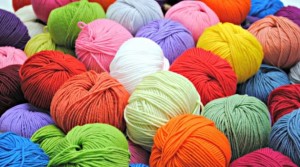
If labels are missing, compare the two yarns side by side and knit a small swatch with each. Note the stitch count, feel, and drape after blocking. A visual comparison alone cannot tell you whether the substitute will produce the pattern’s gauge.
Understanding Fiber Content—and the Trade-offs
Once you’ve matched the weight, fiber content shapes how the finished fabric will feel, drape, stretch, and age. A straight yarn substitution—merino for merino, cotton for cotton—is always the easiest path. Crossing fiber families is possible, but it comes with trade-offs worth understanding before you commit.
Elastic Fibers vs. Inelastic Fibers
Fibers can behave differently after washing and wear. Compare the blocked swatches by gently stretching each one and watching how it recovers. For a fitted garment or a pattern with cables, notice whether the substitute keeps the shape and texture you want rather than assuming that matching weight is enough.
For home goods like dishcloths, plant hangers, or market bags, swapping from one fiber family to another is generally low-risk. For a fitted sweater or a sock pattern that depends on elastic recovery, staying within the same fiber family gives you a more predictable result.
Texture: Slippery vs. Grabby
Some fibers slide easily off the needle—silk, superwash-treated wool, certain smooth acrylics. Others are naturally sticky and grip the needle—unwashed wool, mohair, and fuzzy alpaca blends, for example. This affects more than just the knitting experience. A slippery fiber in a pattern designed for a grippy one may produce slightly looser stitches in your hands, and vice versa. If your gauge shifts without a change in needle size, fiber texture is often the reason.
Swatching: The Step You Can’t Skip in a Yarn Substitution
Labels tell you a lot, but they can’t replicate your hands, your tension, or the way a specific yarn behaves on your needles. A gauge swatch helps you test whether the substitute gives the dimensions and fabric you want before you commit to the project.
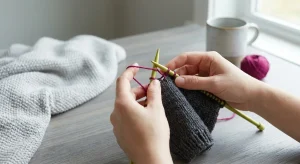
Cast on enough stitches to measure the central area specified in the pattern’s gauge note, leaving a border you will not count. Work in the stitch pattern the project uses—not plain stockinette if the project is a textured lace or seed stitch. Bind off and lay the swatch flat without pinning or stretching it.
Block the swatch the same way you plan to block the finished piece. Natural fibers can shift noticeably in width and length after washing and drying flat, and pre-block measurements won’t hold once the piece is finished. Always measure after blocking.
When Gauge Doesn’t Match Right Away
If your swatch is off, adjust needle size before concluding the yarn is wrong. Going up a needle size loosens the fabric and adds stitch width; going down tightens it. Try one size at a time, swatch again, and measure again. A needle change may bring the stitch count closer to the target, but inspect the feel of the fabric as well. If you genuinely cannot reach the correct gauge after several tries, that yarn may not be a good fit for that pattern regardless of how similar it looks on paper.
Yardage: Buy by Total Yards, Not Skein Count
Two yarns in the same weight category can have very different yardage per skein. In a yarn substitution, a swap with lower yards per skein needs more skeins to cover the same total—buying by skein count without checking the math can leave you short of yarn.
Before you shop, find the total yardage the pattern requires. The pattern notes or the yarn label’s original specs usually include this. Divide the total by your substitute’s yards per skein, round up, and then consider buying one extra skein as a buffer. Running out mid-project is frustrating; having a skein left over gives you yarn for repairs.
Dye Lots Matter
Within the same colorway, different dye lots can produce subtly different shades—enough to show in the finished fabric under certain lighting. When buying multiple skeins of a substitute, check that all of them carry the same dye lot number on the label. If you need to use skeins from different lots, alternate the skeins every few rows on a swatch and check whether the color transition remains visible before doing this on the project.
Match Care Requirements to the Project’s Real Life
A yarn that requires hand washing is beautiful in a display piece or a special-occasion garment but impractical for a child’s everyday sweater or a kitchen dishcloth. Before finalizing a yarn substitution, check whether the fiber’s care instructions match how the finished piece will actually be used and washed.
If the original pattern specifies a washable yarn, replacing it with a yarn that needs different care changes the routine for whoever receives or wears the finished piece. Follow the exact yarn label; the word “superwash” alone is not a complete care instruction. This is especially worth thinking through for gifts, baby items, and anything that will see heavy use.
When a Same-Weight Substitute Still Feels Off
Occasionally, a yarn substitution that looks right on paper doesn’t knit up quite right in practice. The fabric feels stiffer or softer than expected, the drape is wrong, or the colorwork doesn’t lie flat the way it should. When this happens, compare fiber, twist, ply, and the blocked swatch before deciding why. A substitute that is tightly plied may behave differently than a loosely spun single-ply in the same weight, even when gauge matches perfectly.
In those cases, test another substitute with a closer fiber blend or ply structure and compare the blocked fabric. Checking what other knitters have used on Ravelry—where pattern pages often list successful yarn substitutions from the community—can save you time and guesswork when you’re stuck.
Record a substitution decision
Write down the original yarn’s weight, fiber, total yardage, gauge, and care instructions. Put the substitute’s details beside them. Knit a swatch in the project stitch pattern, wash or block it as you would the finished item, and record the new stitch and row counts. Note whether the fabric hangs, springs back, or feels heavier than the original. If the measurements or feel do not suit the project, try another yarn before buying the full quantity. Keep the swatch and notes with the pattern so you can repeat the choice later.
Key Takeaways
- Start a yarn substitution with the pattern’s weight and gauge, then test the fabric.
- Staying within the same fiber family reduces variables and gives you a more predictable result.
- Always swatch in the project stitch pattern, block the swatch, and measure after blocking.
- Buy by total yardage, not skein count, and keep a spare skein when dye lots matter.
- Match care requirements to how the finished piece will actually be used.
Keep Exploring
Yarn substitution is one skill that makes you a more confident knitter at every level. Browse our yarn guides for fiber-by-fiber breakdowns, and check the technique library for more on gauge, swatching, and making the most of any pattern.
— Knit n Style Editorial