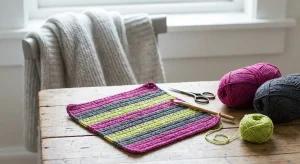
The world of knitting and crochet is experiencing a beautiful transformation. This shift is driven by a renewed focus on sustainability and mindful creation. As crafters, we have a unique opportunity to contribute to a greener future, stitch by stitch. Creating beautiful eco-friendly yarn projects is more popular than ever. It offers a meaningful way to connect with the planet while indulging in our passion. This shift is not just a trend; it’s a movement. In fact, 58% of demand in the crafting market is now driven by interest in DIY and sustainable materials.
From organic cotton dishcloths to recycled fiber blankets, the possibilities for sustainable crafting are as vast as your imagination. The global knitting and crochet market is projected to reach an estimated USD 64.6 billion by 2035. A significant portion of this growth is fueled by eco-conscious consumer preferences. Let’s explore how you can join this vital movement and create stunning, planet-friendly pieces.
The Rise of Eco-Friendly Yarn Projects: Why It Matters Now More Than Ever
The emphasis on sustainability is a dominant trend in 2025-2026 within the crafting industry. Consumers are increasingly aware of the environmental impact of their choices. This awareness leads to a strong shift towards ethically produced and eco-friendly materials. Data shows that nearly 49% of yarn manufacturers incorporated recycled fibers or organic materials in 2024. This marks a significant increase from just 21% in 2018. Furthermore, approximately 33% of global consumers now prioritize biodegradable yarns. Also, 27% actively seek cruelty-free wool alternatives. This commitment to conscious crafting is reshaping the entire market.
What exactly makes a yarn eco-friendly? It typically involves materials that are:
- Organic: Grown without harmful pesticides or synthetic fertilizers (e.g., organic cotton, linen).
- Recycled: Made from post-consumer waste like plastic bottles or textile scraps, diverting materials from landfills.
- Plant-Based: Renewable resources that are often biodegradable (e.g., bamboo, hemp, tencel).
- Ethically Sourced: Ensuring fair labor practices and animal welfare, such as cruelty-free wool.
Brands like Lion Brand Yarns have responded to this demand. They are introducing new lines of sustainable fibers. This makes it easier than ever for crafters to access sustainable options.
Top Picks for Sustainable Materials
Choosing the right yarn is the first step in creating fantastic green crochet ideas or sustainable knitting patterns. Here are some popular options:
- Organic Cotton: Soft, breathable, and machine washable. It is ideal for baby items, dishcloths, and market bags. Its natural absorbency makes it perfect for home goods.
- Hemp & Bamboo: These plant fibers offer incredible strength and durability. They also have a beautiful drape. They’re excellent for lightweight garments, shawls, and home decor items like placemats.
- Recycled Fibers: Often made from plastic bottles (rPET) or textile waste. These yarns are surprisingly soft and strong. They are perfect for sturdy bags, blankets, and even rugs.
- Tencel/Lyocell: A luxurious fiber made from wood pulp. It is known for its silky feel and excellent drape. Tencel is produced in a closed-loop system, minimizing environmental impact.
- Cruelty-Free Wool: Sourced from sheep raised with ethical practices. This includes non-mulesed wool. It provides the warmth and bounce of traditional wool without ethical concerns.
Consider the qualities of each material. For example, if you are making a project that needs to be durable, hemp or recycled fibers might be ideal. Conversely, for a soft garment, organic cotton or Tencel could be better. Making these choices helps ensure your sustainable craft projects align with your values.
Inspiring Eco-Friendly Yarn Project Ideas
Now that you know more about sustainable materials, let’s explore some wonderful ideas for your next creation. These projects are not only fun to make but also contribute to a greener lifestyle. Consequently, you can feel good about every stitch.
For the Home: Practical and Pretty Green Crochet Ideas
- Reusable Market Bags: Say goodbye to plastic! Crochet a sturdy market bag from organic cotton or hemp. These bags are durable and washable. They are perfect for groceries or trips to the farmer’s market. Many crochet patterns are available for different styles.
- Dishcloths and Scrubbies: Replace disposable sponges with reusable alternatives. Organic cotton dishcloths are absorbent and last a long time. They can be easily machine washed.
- Plant Hangers: Use macrame techniques with recycled cotton cord or hemp yarn. Create stylish hangers for your indoor plants. These add a touch of natural beauty to any room.
- Coasters and Placemats: Knit or crochet a set of coasters or placemats using sturdy plant-based yarns. They protect your surfaces and add a handmade charm to your dining area.
Wearables: Fashionable Sustainable Knitting Patterns
- Lightweight Scarves and Shawls: Employ Tencel, bamboo, or organic cotton for elegant, breathable accessories. These are perfect for layering in any season. They offer a luxurious feel against the skin.
- Sweaters and Cardigans: Choose ethically sourced wool or blends of organic cotton and recycled fibers. Create cozy and stylish garments that will last for years. Consider exploring knitting patterns for various designs.
- Baby Clothes and Blankets: Organic cotton is incredibly soft and safe for delicate skin. Knit or crochet adorable baby items. This includes hats, booties, and blankets. They are free from harsh chemicals.
- Socks: Use blends of recycled wool or organic cotton for comfortable and durable socks. These can be customized with various knitting stitches.
Gifts and Accessories: Thoughtful Eco-Friendly Yarn Projects
- Amigurumi Toys: Craft adorable stuffed animals using organic cotton yarn. These make wonderful, safe gifts for children. They are also gentle on the environment.
- Headbands and Beanies: Quick to make and always appreciated! Use any sustainable yarn from your stash. These are excellent small gifts or charity projects.
- Jewelry: Experiment with fine hemp or bamboo yarns to create unique knitted or crocheted jewelry. Consider adding wooden beads for an extra natural touch.
- Small Pouches or Bags: Ideal for organizing small items. Use recycled fibers or organic cotton. These make thoughtful, practical gifts.
As you can see, the range of sustainable craft projects is broad. There are many ways to express your creativity. Each project helps reduce your environmental footprint. Embrace these opportunities to make a difference.
Tips for Successful Sustainable Craft Projects
Embarking on green crochet ideas and sustainable knitting patterns is rewarding. To ensure your projects are as eco-friendly as possible, consider these additional tips. These will help you make the most of your materials and efforts.
Source Responsibly
Always research your yarn brands. Look for certifications like GOTS (Global Organic Textile Standard) for organic cotton. Also, seek Oeko-Tex Standard 100 for safety from harmful substances. For wool, look for RWS (Responsible Wool Standard) certification. These certifications ensure ethical and sustainable practices. Therefore, you can trust the origin of your materials.
Minimize Waste
Try to use every scrap of yarn. Small leftover pieces can be used for colorwork, small embellishments, or stuffing for amigurumi. Consider making patchwork blankets from various yarn ends. This practice significantly reduces waste. Furthermore, it encourages resourcefulness.
Care for Your Creations
Proper care extends the life of your handmade items. Follow washing instructions for your specific yarn. Handwashing and air-drying often save energy. They also preserve the integrity of natural fibers. This thoughtful care ensures your eco-friendly yarn projects last longer. It also reduces the need for replacements.
Support Local and Small Businesses
Purchasing from local yarn stores or independent dyers often means supporting smaller, more sustainable operations. They may have a smaller carbon footprint. They might also offer unique, ethically sourced yarns. This choice strengthens local economies and promotes sustainable practices.
Educate Yourself and Others
Share your knowledge about sustainable crafting with fellow enthusiasts. Discuss the benefits of using eco-friendly yarns. You can also highlight the impact of conscious consumption. By doing so, you inspire others to join the movement. This creates a wider community of conscious crafters. For more information on sustainable textiles, check out resources like the Textile Exchange website. Their work promotes sustainability in the textile industry.
Beyond the Yarn: Other Eco-Friendly Crafting Practices
Sustainability in crafting extends beyond just the yarn. Your tools and overall crafting habits also play a role. Indeed, every choice can contribute to a greener hobby.
Sustainable Tools
Consider investing in knitting needles and crochet hooks made from sustainable materials. Bamboo, wood, or recycled aluminum options are readily available. These alternatives reduce reliance on plastic. They also often feel pleasant to work with. For example, bamboo needles are lightweight and warm in your hands. This can make your crafting experience even more enjoyable.
Reusing and Repurposing
Before buying new, think about what you already have. Can you unravel an old sweater to reclaim the yarn? Can you repurpose fabric scraps into new projects? This approach reduces consumption. It also fosters creativity. Many beautiful projects can emerge from repurposed materials. Furthermore, it gives new life to forgotten items.
Mindful Consumption
Only buy what you need. Avoid impulse purchases of yarn that might sit unused in your stash. Plan your projects carefully. This helps reduce excess material. A thoughtful approach to buying prevents waste. It also ensures your resources are used effectively.
Donate or Recycle
If you have leftover yarn or finished items you no longer want, consider donating them. Local schools, nursing homes, or charities might appreciate them. Some textile recycling programs also accept yarn scraps. This ensures materials are given a second life. It also keeps them out of landfills. Many organizations would be grateful for your contributions. For instance, you might find local yarn banks or crafting groups that accept donations.
By adopting these practices, your crafting becomes a holistic act of sustainability. Every decision, from yarn choice to tool selection, contributes to a greener future. These small steps collectively make a big difference. Therefore, your hobby can truly be a force for good.
The Future of Eco-Friendly Yarn Projects
The movement towards sustainable crafting is gaining momentum. Innovations in yarn production continue to emerge. Researchers are developing new plant-based fibers. They are also improving recycling technologies. This means even more options for creating knitting needles and other tools. The future holds exciting possibilities for conscious crafters. For instance, advancements in bio-engineered fibers could offer new textures and properties.
Consumer demand is a powerful driver. As more crafters seek out eco-friendly materials, manufacturers respond. This creates a positive feedback loop. It encourages further innovation and wider availability of sustainable choices. Indeed, your choices as a crafter directly influence the market. By choosing sustainable options, you vote for a greener industry.
Joining this movement means being part of a community that values both creativity and responsibility. It’s about crafting with purpose. Each stitch becomes a statement of care for our planet. Embrace the opportunity to weave a greener future. Your hands can create beauty that lasts. Moreover, your choices can inspire others.
At KnitnStyle.com, we are committed to providing resources that support your sustainable crafting journey. We believe that every crafter can make a difference. Explore our guides and patterns. Discover new ways to create beautiful, planet-friendly items. Together, we can make the world a little greener, one project at a time.
Conclusion
Embracing eco-friendly yarn projects is more than just a crafting choice. It’s a commitment to a sustainable lifestyle. From selecting organic fibers to minimizing waste, every step contributes to a healthier planet. The options for creating beautiful and meaningful items are endless. This includes everything from reusable market bags to cozy recycled fiber blankets. By choosing sustainable materials and practices, crafters can truly make a positive impact. We encourage you to explore the vast world of eco-friendly yarns and tools. Start your next project with a conscious mind. Your creativity can indeed weave a greener, brighter future for everyone. Happy crafting!
FAQ: Common Questions About Sustainable Crafting
What are the best types of yarn for environmentally friendly projects?
The best yarns include organic cotton, hemp, bamboo, Tencel, and recycled fibers like rPET. Ethically sourced wool is also a great choice. These materials minimize environmental impact during production and are often biodegradable.
How can I ensure my yarn is truly sustainable?
Look for certifications such as GOTS (Global Organic Textile Standard) for organic fibers or RWS (Responsible Wool Standard) for wool. Research the brand’s practices. Many companies are transparent about their sourcing and manufacturing processes. This helps you make informed choices.
Are recycled yarns as good quality as new yarns?
Yes, recycled yarns have come a long way in quality. Many recycled cotton and polyester yarns are soft, durable, and perform just as well as, if not better than, their virgin counterparts. They are excellent for a wide range of projects, from garments to home decor.
What are some easy sustainable craft projects for beginners?
Beginners can start with simple items like organic cotton dishcloths, reusable produce bags, or small coasters. These projects use minimal yarn and allow you to practice with eco-friendly materials. You can find many simple crochet stitches or basic knitting stitches to get started.
Where can I find patterns for sustainable knitting and crochet?
Many online platforms and yarn brands offer patterns specifically designed for sustainable yarns. Look for patterns that recommend organic, recycled, or plant-based fibers. Websites like Ravelry allow you to filter patterns by yarn type. This makes finding green crochet ideas easier.
How can I reduce waste in my crafting hobby?
Minimize waste by using yarn scraps for smaller projects, donating unused yarn, and properly caring for your handmade items to extend their lifespan. Additionally, consider repurposing old garments or textiles into new crafting materials.