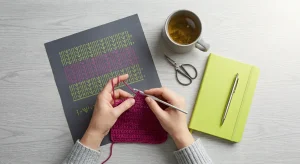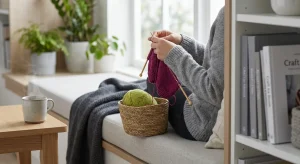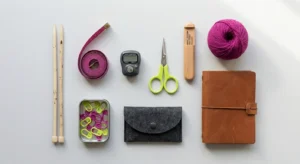
Knitting is a joy, but long sessions can take a toll on your hands, wrists, and shoulders. Many crafters experience fatigue, stiffness, or even pain when working with traditional tools. The solution? Ergonomic knitting needles. Designed for comfort and efficiency, they allow you to knit longer, faster, and more comfortably without strain.
Why Ergonomic Knitting Needles Matter
Ergonomic needles reduce stress on your joints and muscles. They’re designed to fit naturally in your hands, distribute tension evenly, and provide a smoother flow of stitches. Whether you suffer from arthritis, carpal tunnel, or simple hand fatigue, switching to ergonomic tools can make a huge difference.
What Makes Knitting Needles Ergonomic?
Shape and Grip
Ergonomic needles often feature triangular or rounded shafts that are easier to grip. Some come with cushioned handles for extra comfort.
Materials
Lightweight materials like bamboo, resin, or hollow metal reduce strain during long projects.
Weight Balance
Well-balanced needles reduce hand tension by keeping weight evenly distributed.
Top Types of Ergonomic Knitting Needles
Straight Ergonomic Needles
Designed for flat projects, they often have thicker grips or lightweight materials to reduce wrist strain.
Circular Ergonomic Needles
Ideal for both flat and round knitting, circulars distribute the weight of the project across a flexible cable, easing the load on your hands.
Interchangeable Sets
Versatile and customizable, these allow you to switch needle sizes and cable lengths easily, keeping your setup comfortable.
Double-Pointed Ergonomic Needles
Perfect for socks, hats, and small projects, ergonomic versions are lighter and easier to handle than traditional sets.
Best Materials for Ergonomic Knitting Needles
Bamboo and Wood
- Lightweight and warm to the touch
- Provide a gentle grip, reducing slippage
- Great for beginners and arthritis sufferers
Plastic and Resin
- Flexible and lightweight
- Often designed with triangular shafts or cushioned grips
- Affordable and beginner-friendly
Lightweight Metal
- Smooth and fast for experienced knitters
- Hollow designs reduce weight while maintaining strength
- Ideal for complex patterns
Special Features in Ergonomic Needles
Cushioned Grips
Soft handles reduce pressure points and improve comfort.
Triangular Shafts
Offer a natural grip, preventing hand cramping.
Flex Cables
Allow circular needles to bend easily, distributing weight across your lap instead of your hands.
Top Brands Offering Ergonomic Knitting Needles
Addi
Known for smooth, flexible circular needles with ergonomic designs.
Clover
Offers bamboo ergonomic needles, lightweight and warm in hand.
Prym
Famous for triangular ergonomic needles with lightweight plastic construction.
Knitter’s Pride
Provides cushioned grips and a wide range of ergonomic options.
How Ergonomic Needles Help Reduce Pain
For Arthritis
Soft grips and lightweight designs reduce joint strain, making knitting more enjoyable.
For Carpal Tunnel
Balanced needles and cushioned grips lower repetitive stress on wrists.
For General Hand Fatigue
Even if you don’t have a condition, ergonomic needles allow longer knitting sessions without discomfort.
Tips for Choosing the Right Ergonomic Needles
- Consider your most frequent projects—scarves, socks, or sweaters.
- Match needle material to yarn type for smooth knitting.
- Try different shapes (round vs triangular) to find your comfort fit.
- Invest in one pair before buying a full set to test comfort.
Common Mistakes to Avoid
- Choosing heavy metal needles that increase strain.
- Ignoring yarn compatibility—slippery yarns may need bamboo, not metal.
- Buying cheap knockoffs that lack true ergonomic design.
Conclusion: Knitting Comfortably and Pain-Free
With the right ergonomic knitting needles, you can enjoy hours of crafting without the aches and pains. Whether you choose bamboo, resin, or lightweight metal, ergonomic features like cushioned grips, triangular shafts, and flexible cables make all the difference. Comfort tools aren’t a luxury—they’re an investment in your knitting joy.
FAQ
1. Are ergonomic knitting needles worth the cost?
Yes, especially if you knit often or struggle with hand pain.
2. Which material is best for ergonomic needles?
Bamboo and resin are the softest on hands, while lightweight metals are best for speed.
3. Can ergonomic needles help with arthritis?
Yes, many knitters with arthritis find them easier to use.
4. Are circular needles more ergonomic than straight needles?
Often yes, since they distribute weight and reduce wrist strain.
5. Do ergonomic needles work for beginners?
Absolutely—comfort and ease of grip make them great for new knitters.