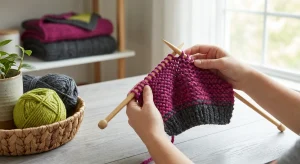
Knitting and crocheting bring joy, creativity, and relaxation. However, many crafters notice stiffness in their fingers, wrists, and elbows after long sessions. Fortunately, smart nutrition can help. These diet tips for joint pain support healthier joints and may reduce inflammation that causes discomfort.
Repetitive hand movements place stress on small joints. Over time, inflammation can build. Therefore, the foods you eat can either calm or worsen that inflammation. By choosing the right nutrients, knitters and crocheters can protect their hands while continuing to enjoy their craft.
This guide explains how nutrition affects joint health. It also offers practical strategies that busy crafters can follow every day.
Understanding Joint Pain in Knitters and Crocheters
Handcraft hobbies rely on repeated motions. Fingers grip needles or hooks for long periods. As a result, small joints in the hands and wrists can become irritated.
Inflammation is often the main cause. When tissues swell, joints feel stiff and painful. Moreover, swelling can reduce flexibility, which makes stitching more difficult.
Age, hydration, and overall health also play a role. Poor nutrition may worsen joint irritation. Conversely, balanced meals support cartilage, ligaments, and tendons.
That is why many health professionals recommend diet tips for joint pain alongside stretching and rest. Nutrition works internally to support recovery.
Why Nutrition Matters for Joint Health
Food fuels the body’s repair systems. Nutrients rebuild tissues and regulate inflammation. Therefore, what you eat directly affects how your joints feel during crafting.
Certain foods reduce inflammatory responses. Others increase them. For example, omega-3 fats help calm swelling, while refined sugar may worsen it.
Minerals also matter. Calcium strengthens bones, while magnesium helps muscles relax. Additionally, antioxidants protect tissues from oxidative stress.
When knitters follow targeted diet tips for joint pain, they often experience less stiffness and improved flexibility. Small dietary changes can create noticeable results over time.
Anti-Inflammatory Foods That Support Hand Mobility
Inflammation often triggers soreness in crafting joints. Fortunately, many foods naturally reduce inflammation. Including them regularly can protect small joints in the hands.
Fatty fish are an excellent example. Salmon, sardines, and mackerel contain omega-3 fatty acids. These fats help regulate inflammatory responses.
Leafy greens also help. Spinach, kale, and arugula contain antioxidants that protect joint tissues. In addition, berries provide vitamin C, which supports collagen production.
Nuts and seeds supply healthy fats and minerals. Almonds, walnuts, and chia seeds support connective tissue health.
Following these diet tips for joint pain ensures your body receives nutrients that support cartilage and reduce swelling.
Diet Tips for Joint Pain
Improving joint comfort does not require complicated meal plans. Instead, simple food choices throughout the day can support healthy hands.
Prioritize Omega-3 Fats
Omega-3 fatty acids help reduce inflammatory chemicals in the body. Therefore, they play a major role in diet tips for joint pain.
Eat fatty fish two to three times per week. If fish is not available, try flaxseeds or walnuts. These plant sources also provide beneficial fats.
Fish oil supplements may help some people. However, consult a healthcare professional before starting new supplements.
Eat Colorful Fruits and Vegetables
Bright produce provides antioxidants. These compounds protect joint cells from damage.
For example, carrots contain beta-carotene. Blueberries offer anthocyanins that fight inflammation. Meanwhile, bell peppers provide vitamin C.
Try filling half your plate with vegetables. This simple habit supports several diet tips for joint pain while improving overall nutrition.
Stay Hydrated Throughout the Day
Water keeps joints lubricated. When the body is dehydrated, cartilage may lose elasticity.
Drink water regularly while crafting. Keep a bottle near your yarn basket or project bag. This small habit reinforces important diet tips for joint pain and supports joint mobility.
Foods That May Trigger Joint Stiffness
Just as some foods help joints, others may worsen discomfort. Reducing inflammatory foods can protect knitting hands.
Refined sugar is a common trigger. Candy, pastries, and sugary drinks increase inflammation markers. Over time, this can worsen joint pain.
Highly processed foods also cause problems. Packaged snacks often contain trans fats and excess sodium. Both may contribute to swelling.
Another concern is excessive alcohol. Alcohol can interfere with nutrient absorption. Consequently, the body struggles to repair tissues.
Limiting these items strengthens the effectiveness of diet tips for joint pain and supports long-term joint comfort.
Daily Eating Plan for Knitters and Crocheters
Healthy eating becomes easier with a simple routine. Structured meals help crafters maintain energy while supporting joint health.
Start the day with an anti-inflammatory breakfast. Oatmeal with berries and walnuts works well. This meal supports diet tips for joint pain through fiber and omega-3 fats.
Lunch should include lean protein and vegetables. A salmon salad with leafy greens offers excellent nutrients.
For snacks, choose whole foods. Greek yogurt, almonds, or fruit help maintain steady energy.
Dinner should balance protein, vegetables, and healthy fats. Grilled chicken with roasted vegetables and olive oil works well.
Consistently following these diet tips for joint pain supports recovery after long crafting sessions.
Simple Diet Tips for Joint Pain Relief
Small habits often create the biggest improvements. These practical strategies make joint-friendly eating easier for busy crafters.
First, plan meals ahead. Meal planning reduces reliance on processed foods. It also helps maintain balanced nutrition.
Second, cook with anti-inflammatory spices. Turmeric and ginger both support joint health. Adding them to soups or stir-fries reinforces helpful diet tips for joint pain.
Third, increase fiber intake. Whole grains and legumes support gut health. A balanced gut can reduce inflammation throughout the body.
Finally, choose healthy fats when cooking. Olive oil and avocado oil support heart and joint health. These simple habits strengthen daily diet tips for joint pain routines.
Lifestyle Habits That Support Nutrition
Food works best when paired with healthy habits. Together, these strategies help protect crafting joints.
Take short breaks while knitting. Stretch fingers and wrists every 20–30 minutes. This prevents stiffness from building.
Good posture also matters. Sit upright and support your elbows while working.
Sleep is another critical factor. During sleep, the body repairs damaged tissues. Adequate rest supports the effectiveness of diet tips for joint pain.
Finally, maintain consistent physical activity. Gentle exercises such as yoga or walking improve circulation and joint mobility.
Conclusion
Knitting and crocheting should feel relaxing, not painful. Fortunately, nutrition offers a powerful way to support joint health. Anti-inflammatory foods, proper hydration, and balanced meals can all reduce stiffness in the hands and wrists.
These diet tips for joint pain help nourish cartilage, calm inflammation, and strengthen connective tissues. Over time, consistent habits may significantly improve comfort during crafting sessions.
Small adjustments create lasting benefits. By choosing supportive foods and avoiding inflammatory ingredients, knitters and crocheters can protect their hands and enjoy their hobbies for years to come.
FAQ
1. What foods help reduce hand stiffness for knitters?
Foods rich in omega-3 fats, antioxidants, and vitamins help. Examples include salmon, berries, leafy greens, walnuts, and olive oil.
2. Can hydration affect joint comfort while crafting?
Yes. Proper hydration keeps cartilage flexible and joints lubricated. Drinking water regularly may reduce stiffness during long crafting sessions.
3. Are there snacks that support healthier joints?
Healthy snacks include almonds, yogurt, chia pudding, fruit, and hummus with vegetables. These provide nutrients that support connective tissues.
4. Should crafters avoid sugar if they have hand pain?
Reducing added sugar can help. Excess sugar may increase inflammation, which can worsen joint discomfort.
5. How long does nutrition take to affect joint health?
Some people notice improvements within a few weeks. However, consistent healthy eating over several months often produces the best results.