Embarking on a large-scale project like a crochet blanket can feel daunting, but with careful planning, it becomes an enjoyable and rewarding journey. To plan crochet blanket success, you need to consider more than just the pattern; yarn choice, yardage, and construction methods are all key. This guide will walk you through the essential steps to prepare for your first big crochet blanket, ensuring a smooth and satisfying crafting experience from the initial stitch to the final border.
How to Plan Crochet Blanket: Yarn and Pattern Selection
The first step in planning any crochet blanket is selecting your yarn and pattern. Consider the recipient and the blanket’s intended use. For instance, a soft, washable acrylic or cotton blend in a DK or Worsted weight might be ideal for a cozy baby blanket. For a luxurious throw, a wool blend or chunky yarn could be perfect. Once you have a general idea, search for patterns that match your skill level and desired aesthetic. Many free patterns are available online. Pay close attention to the recommended yarn weight and hook size in your chosen pattern. Don’t forget to purchase enough yarn! It’s always better to have a little extra than to run out midway through. Calculate the estimated yardage based on your pattern’s requirements, and consider buying an extra skein just in case, especially if working with dye lots.
Calculating Yardage and Managing Sections
One of the biggest challenges when you plan crochet blanket projects is accurately estimating yarn needs and managing the actual construction. After selecting your pattern and yarn, crochet a gauge swatch. This step is non-negotiable for large projects, as it helps confirm your stitch tension and allows you to adjust your hook size if necessary. Once your gauge is consistent, you can more accurately estimate total yarn needed. For very large blankets, consider breaking the project into smaller, manageable sections or squares that can be joined later. This approach can make the project feel less overwhelming and allows for portability. Alternatively, if working a continuous blanket, establish a consistent routine for working rows or rounds, perhaps marking off sections on a printed pattern or using stitch markers to delineate progress. This systematic approach will keep you on track and prevent burnout, leading to a beautifully finished blanket you’ll cherish.
Choosing the Right Yarn for Your Crochet Blanket
Selecting the perfect yarn is paramount when you set out to create a crochet blanket. The fiber content, weight, and color all play significant roles in the final look and feel. For example, acrylic yarns are budget-friendly, durable, and easy to care for, making them excellent for children’s blankets or items that need frequent washing. Cotton yarns offer breathability and a lovely drape, ideal for warmer climates or lighter throws. Wool, on the other hand, provides warmth and elasticity, perfect for cozy winter blankets. Blends often combine the best qualities of different fibers. Furthermore, consider the yarn weight. Lighter weights, like fingering or sport, create delicate, intricate blankets, while heavier weights, such as bulky or super bulky, work up quickly and produce a very warm, plush fabric. You can learn more about Decoding Yarn Weights: A Comprehensive Guide for Knitters and Crocheters on our site. Ultimately, your choice should align with the blanket’s purpose and your personal preferences. Don’t hesitate to feel different skeins in a craft store to get a sense of their texture.
Mastering the Gauge Swatch: A Critical Step
A gauge swatch is a small sample of your chosen stitch pattern, worked with your selected yarn and hook. Many crocheters are tempted to skip this step, particularly when they plan crochet blanket designs, but it is incredibly important. Its primary purpose is to ensure your tension matches the pattern’s recommendations. If your stitches are too tight, your blanket will be smaller than intended and may use more yarn. Conversely, if your stitches are too loose, your blanket will be larger and potentially less stable. Consequently, a small adjustment in hook size can make a huge difference. For instance, if your swatch is too small, try a larger hook; if it’s too large, use a smaller hook. This simple test prevents frustration later and ensures your project turns out exactly as you envision. It’s a foundational step to accurately estimate yarn and ensure your finished item is the correct size.
Understanding Crochet Blanket Construction Methods
When you prepare to plan crochet blanket designs, understanding various construction methods can greatly influence your approach. Continuous blankets are worked in one piece, either in rows or rounds, from start to finish. This method eliminates the need for seaming, which many crafters appreciate. However, it can make the project less portable as the blanket grows. Alternatively, modular blankets are made by crocheting individual squares, rectangles, or other shapes that are then joined together. This method offers excellent portability and allows for a wide variety of design possibilities, including colorwork and texture changes. For example, you could create a sampler blanket with different squares for each stitch pattern. Furthermore, some blankets are constructed in strips, which are then joined lengthwise. Each method has its advantages, so consider which best suits your crafting style and the desired aesthetic of your finished piece. Thinking about these methods early helps you visualize the process.
Estimating Yarn Yardage Accurately
Accurately estimating yarn yardage is crucial to avoid running out of yarn mid-project, especially when you plan crochet blanket endeavors. After completing your gauge swatch, you can use it to calculate how much yarn a specific area of your blanket will consume. Most patterns provide an estimated yardage. However, if you’re designing your own blanket or modifying a pattern, you’ll need to do some math. First, measure your swatch and count the stitches and rows. Then, weigh your swatch. Knowing the total yardage in one skein of your yarn, you can extrapolate how much yarn you’ll need for the entire blanket’s surface area. A good rule of thumb is to always buy at least one extra skein, particularly if your project uses a specific dye lot, as dye lots can vary slightly in color. Websites like YarnSub can also help you compare yarn quantities if you’re substituting. This foresight saves time and prevents potential color discrepancies.
Adding Personal Touches and Finishing Details
Once the main body of your crochet blanket is complete, adding personal touches and finishing details can elevate it from a simple project to a cherished heirloom. A well-chosen border, for instance, can frame your work beautifully and add a professional finish. There are countless border patterns available, from simple single crochet edges to intricate lace designs. Furthermore, consider adding embellishments such as tassels, fringe, or appliqués. These small additions can reflect your personality or the recipient’s taste. Blocking, while often associated with knitting, can also significantly improve the drape and appearance of crochet blankets, especially those made with natural fibers. Although our guide on The Essential Step: Why Blocking Knitting Projects is Crucial focuses on knitting, the principles apply to crochet too. Finally, don’t forget the importance of weaving in all your ends neatly. This meticulous step ensures durability and a polished look. Taking the time for these finishing touches truly makes a difference.
Maintaining Consistency and Preventing Burnout
Large projects like crochet blankets demand consistency and strategies to prevent burnout. When you undertake to plan crochet blanket projects, consider setting realistic daily or weekly goals. For example, you might aim to complete a certain number of rows or squares each day. Establishing a dedicated crafting space can also help maintain focus and keep your materials organized. Moreover, varying your projects can prevent monotony. Perhaps alternate between working on your blanket and a smaller, quicker project. Listening to podcasts, audiobooks, or your favorite music while crocheting can make the process more enjoyable. Regularly stretching your hands and wrists is also important to prevent strain. Taking breaks, even short ones, can refresh your mind and hands. In fact, many crafters find that joining online knitting communities provides motivation and support, which can be invaluable for long-term projects. By implementing these strategies, you can sustain your enthusiasm and successfully complete your magnificent creation.
Organizing Your Supplies for a Smooth Project
Effective organization is key to a stress-free crafting experience, especially when you plan crochet blanket projects. Before you begin, gather all your necessary supplies: yarn, hooks, stitch markers, scissors, a tapestry needle, and your pattern. Consider using a project bag or basket to keep everything together and easily accessible. If you’re working with multiple colors or yarn cakes, label them clearly to avoid confusion. For modular blankets, a system for storing and organizing finished squares or strips is very helpful. This could be as simple as stacking them neatly or placing them in separate bags. Furthermore, keep track of your progress. A simple notebook can be used to note which rows you’ve completed, any pattern modifications, or yarn usage. Maintaining an organized workspace not only saves time but also reduces frustration, allowing you to focus on the joy of creating. It truly makes the entire process more enjoyable.
Troubleshooting Common Crochet Blanket Challenges
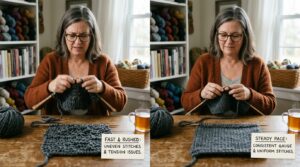
Even with careful planning, you might encounter challenges when you plan crochet blanket projects. One common issue is running out of yarn. If this happens and you can’t find the exact dye lot, consider incorporating a contrasting color for a border or a few rows, turning a potential problem into a design feature. Another challenge is inconsistent tension, which can lead to uneven edges or a wavy fabric. Practicing your gauge swatch diligently and taking regular breaks can help improve consistency. If your blanket starts to pull or pucker, your stitch count might be off, or you might be using too small a hook for the yarn. Conversely, if it’s too loose, your hook might be too large. Don’t be afraid to unravel a section and re-do it; it’s a normal part of the crafting process. Consulting online resources or crochet forums can also provide solutions to specific problems. Remember, every challenge is an opportunity to learn and refine your skills.
The Joy of Completing Your First Big Crochet Blanket
Finally, there’s immense satisfaction in seeing your vision come to life. To successfully plan crochet blanket projects is just the beginning of a fulfilling journey. The hours you dedicate, the choices you make, and the challenges you overcome all contribute to a unique piece of art. This blanket will not only provide warmth and comfort but also serve as a tangible reminder of your skill and perseverance. Whether it’s a gift for a loved one or a treasured item for your own home, it carries a story. Moreover, the experience gained from this large project will empower you to tackle even more ambitious creations in the future. So, celebrate your achievement, share your work with pride, and remember the joy that comes from crafting something beautiful with your own hands. Enjoy the cozy comfort and the sense of accomplishment your beautifully planned and executed crochet blanket brings.
FAQ: Your First Big Crochet Blanket
How do I choose the right size for my crochet blanket?
Consider the blanket’s intended use. For a baby blanket, around 30×40 inches is common. A throw for a couch might be 50×60 inches, while a bedspread would match standard mattress dimensions. Always check pattern sizing guides or measure the area where the blanket will be used.
What is the best type of yarn for a beginner’s large crochet project?
For a beginner, a worsted weight acrylic yarn is often recommended. It’s affordable, widely available, easy to work with, and forgiving of mistakes. Furthermore, it’s simple to care for, which is a big plus for a first big undertaking.
How important is washing and blocking a crochet blanket?
Washing your finished blanket removes any lingering oils or dirt from handling. Blocking, while optional for some fibers, can significantly improve the drape, even out stitches, and help your blanket achieve its final shape and dimensions, especially for natural fibers. You can find more information on Preserving Your Creations: Essential Tips for Caring for Hand-Knitted Items.
Can I mix different yarn weights in one large crochet project?
While technically possible, mixing different yarn weights can be challenging for a first big crochet project. It often results in uneven tension and drape, creating an inconsistent fabric. It’s generally best to stick to one yarn weight for a cohesive look unless the pattern specifically calls for mixing them.
What if I find a mistake several rows back in my large crochet project?
It’s a common dilemma! For small mistakes, many crocheters choose to ignore them, calling them