Embarking on a new craft like knitting or crochet is an exciting adventure, but the sheer volume of tools and materials available can feel overwhelming. Many beginners wonder, “What knitting crochet supplies for beginners do I *really* need?” The good news is, you don’t need to break the bank or fill a craft room to get started. At Knit n Style, we advocate for simplicity, especially for new crafters. We’re seeing a robust market with increasing participation, particularly from younger individuals, and online platforms have become crucial for both sales and education, with over 55% of consumers purchasing supplies online. This digital transformation makes it easier than ever to acquire exactly what you need without unnecessary clutter.
Demystifying Your First Yarn Choices
Your yarn choice is crucial for a positive first experience. For beginners, we recommend:
- Weight: Worsted weight (also known as Medium or #4) is ideal. It’s easy to handle, widely available, and stitches are visible without being too bulky.
- Fiber: Acrylic is often recommended for its affordability, durability, and wide color range. However, with the strong shift towards eco-friendly materials, consider organic cotton, bamboo, or even recycled blends for a sustainable start. Nearly 33% of global consumers now prioritize biodegradable yarns, according to a report by Grand View Research. These natural fibers offer a lovely drape and feel.
- Color: Light to medium solid colors are best. Variegated or very dark yarns can obscure your stitches, making it harder to learn.
Needles & Hooks: Your Primary Instruments
Choosing the right tool for your hands makes a significant difference. In fact, the quality of your primary instruments can greatly influence your learning curve and enjoyment.
Knitting Needles
Straight needles are perfect for learning as they hold stitches securely. As you advance, circular needles become versatile for larger projects or working in the round. For more detailed information on selecting the right tools, consider exploring our guide on You won’t Get Far with Your Next Project Without the Best Set of Knitting Needles.
Bamboo or wood needles are excellent for beginners. Their slightly grippy texture prevents stitches from sliding off too easily, offering more control. Metal needles are faster but can be slippery. The yarn label will suggest a needle size. For worsted weight yarn, US size 7 (4.5mm) or 8 (5mm) are common starting points. Having a small range of sizes (e.g., US 6-9) can be helpful as you explore different yarns. Therefore, don’t hesitate to experiment slightly with needle sizes.
Crochet Hooks
Aluminum or plastic hooks are affordable and smooth. Ergonomic hooks with soft handles can be more comfortable for extended periods. Similar to knitting needles, your yarn label will suggest a hook size. For worsted weight yarn, a G-6 (4.0mm) or H-8 (5.0mm) hook is a good starting point. Furthermore, you can find comprehensive details about these tools in our article All You Need to Know About Crochet Hooks in One Place.
Essential Notions: Small Tools, Big Impact
These small accessories might seem minor, but they significantly improve your crafting experience. Consequently, investing in good quality notions is a wise decision.
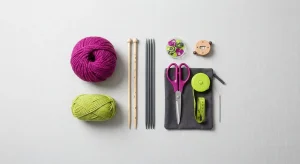
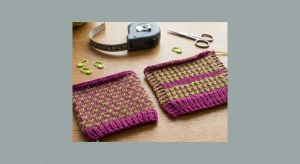
- Scissors: A small, sharp pair of scissors for cutting yarn tails.
- Tapestry Needle (Yarn Needle): These blunt-tipped, large-eyed needles are indispensable for weaving in yarn ends and seaming pieces together. They are much safer and easier to use than sharp sewing needles for yarn.
- Stitch Markers: Small clips or rings used to mark specific stitches, count rows, or indicate pattern repeats. They are especially helpful for keeping track of your progress and preventing mistakes.
- Measuring Tape/Ruler: Crucial for checking your gauge (the number of stitches and rows per inch) and ensuring your project will be the correct size.
- Row Counter: A small device, either manual or digital, that helps you keep track of how many rows you’ve worked. This is particularly useful for patterns with many repeats.
Beyond the Basics: Nice-to-Have Additions
Once you’ve mastered the initial steps with your basic knitting crochet supplies for beginners, you might consider expanding your toolkit. These items aren’t strictly necessary to start, but they can enhance your enjoyment and versatility as you progress. For example, a project bag keeps all your supplies organized and portable. This can be especially handy if you like to craft on the go. Similarly, a yarn winder and swift can transform skeins into neat cakes, making them easier to work with and store.
Moreover, stitch holders are useful for putting stitches on hold in knitting without tying them off, which is common in garment construction. Cable needles, on the other hand, are specifically designed for creating cable patterns, adding texture and complexity to your knitted items. Blocking mats and pins help shape and set your finished projects, giving them a professional appearance. While not immediate necessities, these additions can certainly elevate your crafting experience over time.
Understanding Yarn Labels: Your Crafting Map
Every skein or ball of yarn comes with a label, which is essentially your crafting map. Learning to read these labels is one of the most important skills for any crafter. The label provides vital information about the yarn, including:
- Weight Category: Often indicated by a number (0-7) or a descriptive term (e.g., Lace, Fingering, Worsted, Bulky). This helps you match the yarn to appropriate patterns and tools.
- Fiber Content: Specifies what the yarn is made of (e.g., 100% acrylic, merino wool blend, cotton). This influences the yarn’s feel, drape, warmth, and how it washes.
- Recommended Needle/Hook Size: The manufacturer’s suggestion for the best tool size to achieve the desired fabric. This is a great starting point for selecting your knitting needles or crochet hooks.
- Gauge Information: Provides the number of stitches and rows you should get over a 4-inch (10 cm) square using the recommended tools. Matching this gauge is crucial for projects to turn out the correct size.
- Care Instructions: Tells you how to wash and dry your finished project to prevent shrinking or damage. This is vital for maintaining the longevity of your handmade items.
- Dye Lot Number: Important for ensuring color consistency. If you need more than one skein for a project, always try to buy skeins with the same dye lot number.
By carefully reading yarn labels, you can make informed decisions about your projects and avoid common pitfalls. This ensures a smoother and more enjoyable crafting process, especially when you’re just starting out.
Choosing Your First Project: Simplicity is Key
For your very first project, selecting something simple and achievable is paramount. This builds confidence and helps you practice the fundamental stitches without getting overwhelmed. Consequently, complex patterns can wait until you’ve mastered the basics. Here are some excellent starter project ideas:
- Dishcloths/Washcloths: These are perfect for practicing basic stitches like knit and purl (for knitting) or single and double crochet (for crochet). They are small, quick to finish, and very useful.
- Simple Scarves: A long rectangle made with basic stitches is a classic beginner project. You can choose to knit or crochet a scarf, experimenting with different yarns and colors.
- Headbands: Similar to scarves but smaller, headbands allow you to practice working in rows or even in the round if you’re feeling adventurous.
- Coasters: Very small and quick, coasters are excellent for trying out new stitches or perfecting your tension.
Remember, the goal is to enjoy the process and learn. Don’t worry about perfection; every stitch is a step in your crafting journey. Focusing on these simple projects will help you get comfortable with your new knitting crochet supplies for beginners.
The Value of Online Resources and Community
In today’s digital age, online platforms are invaluable for learning and connecting with other crafters. Knit n Style, for instance, offers a wealth of free resources, including how-to guides, patterns, and project ideas. YouTube tutorials provide visual demonstrations of stitches and techniques, which can be incredibly helpful for visual learners. Furthermore, online forums and social media groups offer a supportive community where you can ask questions, share your progress, and find inspiration. These communities are fantastic for troubleshooting and discovering new tips and tricks. They can also help you find the best knitting crochet supplies for beginners. The accessibility of these resources means help is always just a click away.
Many brands and independent designers also offer free patterns specifically designed for beginners, often accompanied by video tutorials. Websites like Ravelry, although vast, allow you to filter patterns by skill level, making it easier to find suitable projects. Engaging with the online crafting community not only enhances your learning but also provides a sense of camaraderie, which is a significant part of the crafting experience. This support network can be particularly encouraging when you encounter challenges.
Maintaining Your Tools for Longevity
Proper care of your knitting crochet supplies for beginners will ensure they last for many years. Keeping your needles and hooks clean and free of yarn fibers helps them glide smoothly through stitches. Store them in a dedicated case or container to prevent them from getting bent, scratched, or lost. Wooden and bamboo needles especially benefit from being stored away from extreme temperatures and humidity to prevent warping or cracking. Similarly, keeping your yarn in a cool, dry place can prevent damage from pests or mildew. A well-organized craft space not only makes crafting more enjoyable but also protects your investment in your tools and materials. Regularly checking your scissors for sharpness and cleaning any residue will keep them performing optimally. Ultimately, a little maintenance goes a long way in preserving your essential crafting tools.
Consider also the environmental impact of your choices. Opting for durable, high-quality tools means you won’t need to replace them as often, reducing waste. Many brands now offer sustainable options for needles and hooks made from recycled materials or sustainably sourced wood. This aligns with the growing consumer preference for eco-friendly products, which is a trend we strongly support at Knit n Style. By making conscious choices about your supplies and how you care for them, you contribute to a more sustainable crafting practice. This is an important consideration for anyone building their collection of essential tools.
Conclusion: Start Simple, Grow Confidently
Starting a new craft like knitting or crochet doesn’t require a huge investment or an overwhelming array of tools. By focusing on the essential knitting crochet supplies for beginners – a few skeins of appropriate yarn, the right size needles or hooks, and a handful of basic notions – you can confidently embark on your creative journey. Remember that Knit n Style is here to support you every step of the way with free resources and a vibrant community. Embrace the learning process, enjoy the meditative rhythm of stitches, and watch as you transform simple materials into beautiful, handmade creations. Happy crafting!
FAQ
What are the absolute must-have items for someone just starting knitting or crochet?
For knitting, you’ll need worsted weight yarn, US size 7 or 8 straight or circular needles, a tapestry needle, and scissors. For crochet, you’ll need worsted weight yarn, a G-6 or H-8 hook, a tapestry needle, and scissors. These fundamental crafting tools are sufficient to begin.
Why is worsted weight yarn recommended for new crafters?
Worsted weight yarn is recommended because it’s a medium weight, making it easy to handle and see your stitches clearly. It’s also widely available and works well with common beginner needle and hook sizes, providing a good balance of speed and visibility for learning.
Should I buy a full set of needles or hooks right away?
It’s generally best to start with just one or two sizes of knitting needles or crochet hooks that match your chosen beginner yarn. As you gain experience and tackle more diverse projects, you can gradually expand your collection of crafting instruments. This approach saves money and prevents clutter.
How important is it to read the yarn label?
Reading the yarn label is very important. It provides crucial information about yarn weight, fiber content, recommended tool sizes, and care instructions. Understanding these details helps ensure your projects turn out as expected and are cared for properly, making it a key part of choosing your crafting materials.
Where can I find beginner-friendly patterns and tutorials?
You can find numerous beginner-friendly patterns and tutorials on Knit n Style. Additionally, websites like Ravelry allow you to filter patterns by skill level, and platforms like YouTube offer many visual guides for learning new stitches and techniques. These resources are excellent for learning basic knitting and crochet tools and techniques.