As temperatures climb and the sun shines brighter, our crafting habits often need a seasonal adjustment. While chunky wools and cozy blends are perfect for winter, crocheting during the warmer months requires a shift in materials. The secret to comfortable and successful warm-weather projects lies in knowing the best yarns for summer crochet. Let’s explore the fibers that will keep you cool, comfortable, and creatively inspired all season long.
Why Your Yarn Choice Matters in Summer
Your yarn choice significantly impacts not only the look and feel of your finished project but also your comfort while crafting. Heavy, insulating fibers like wool can feel cumbersome and warm on your lap during a heatwave. Summer-friendly yarns, on the other hand, are breathable, offer excellent drape, and often have wicking properties, making them a joy to work with and wear. Furthermore, choosing the right material ensures your finished items are suited for the season, whether it’s a lightweight top or a breezy market bag.
Top Picks: The Best Yarns for Summer Crochet Projects
Here are our top recommendations for fibers that truly shine when the weather heats up:
Cotton Yarns: The Classic Summer Staple
Cotton is arguably the most popular choice for summer crochet, and for good reason. This natural fiber is a workhorse in warm weather. Moreover, it’s widely available and comes in a vast array of colors and weights.
- Pros: Highly breathable, absorbent, durable, and provides excellent stitch definition, making your intricate crochet patterns pop. It’s also often machine washable, making it great for items that need frequent cleaning. Cotton is also hypoallergenic, which is a bonus for sensitive skin.
- Cons: Can be heavy and doesn’t have much elasticity, which can sometimes make it a bit hard on the hands if you’re not used to it. It can also be prone to splitting if not handled carefully. Additionally, cotton can take a while to dry.
- Best for: Market bags, dishcloths, placemats, lightweight garments, and baby items. Consider mercerized cotton for a smoother finish and added strength.
Linen & Hemp Yarns: Rustic Elegance
For a more natural, rustic, and incredibly durable option, look no further than linen and hemp. These plant-based fibers have been used for centuries and offer unique qualities perfect for summer crafting. In fact, they are known for their strength and longevity.
- Pros: Extremely strong, exceptionally breathable, and becomes wonderfully soft with use and washing. Both fibers offer a beautiful drape and a slightly crisp texture that softens over time. They are also naturally resistant to moths and mildew.
- Cons: Can be a bit stiff and unforgiving to work with initially, and has very little elasticity. It might not be the best choice for beginners learning basic stitches. The initial stiffness can be a challenge, but it is well worth the effort for the final product.
- Best for: Structured bags, home decor items, modern garments, and accessories where drape is desired. Their unique texture adds a sophisticated touch to any project.
Bamboo & Tencel Yarns: Silky & Sustainable
If you’re looking for luxurious softness and a cooling sensation, bamboo and Tencel (a brand name for lyocell) are excellent choices. These regenerated cellulosic fibers are known for their smooth feel and lustrous appearance. Consequently, they are often compared to silk.
- Pros: Boast a beautiful, silky sheen, feel incredibly soft and cool to the touch, and have exceptional drape. They are also often derived from sustainable sources. Bamboo, in particular, is naturally antibacterial and wicking.
- Cons: Can be very slippery on the hook, which might be challenging for new crocheters. Stitch definition can sometimes be less crisp due to the yarn’s smooth nature. Furthermore, they can stretch more than other fibers, so gauge is important.
- Best for: Elegant shawls, lightweight garments, baby blankets, and accessories where a soft, flowing fabric is desired. These yarns are ideal for items worn close to the skin.
Blended Yarns: The Best of Both Worlds
Sometimes, the perfect summer yarn isn’t a single fiber but a clever combination. Blended yarns offer the opportunity to combine the best properties of different fibers, creating a material that is both versatile and comfortable. For example, a cotton-linen blend might offer the softness of cotton with the drape and strength of linen.
Why Choose Blends?
Blends can mitigate the cons of individual fibers while enhancing their pros. For instance, a cotton-bamboo blend might have more elasticity than pure cotton and less slipperiness than pure bamboo. Similarly, adding a small percentage of a synthetic fiber like acrylic to a natural blend can improve durability and ease of care. This makes them highly adaptable for many summer crochet endeavors.
- Cotton-Acrylic Blends: Offer the breathability of cotton with the affordability and easy care of acrylic. Great for items that need to be washed frequently.
- Linen-Cotton Blends: Provide a softer hand than pure linen, while retaining its beautiful drape and strength.
- Bamboo-Cotton Blends: Combine the cooling softness of bamboo with the stability and stitch definition of cotton. These are excellent choices for garments.
When selecting a blend, always check the fiber content percentages to understand which characteristics will be most prominent. This will help you predict how the yarn will behave and feel. Remember, the goal is to find comfortable yarns for summer crochet projects.
Understanding Yarn Weights for Summer Projects
Beyond fiber content, yarn weight plays a crucial role in creating summer-appropriate crochet items. Lighter weight yarns generally result in more breathable and less bulky fabrics. This is especially important for garments worn in warm weather.
- Fingering (Super Fine #1): Excellent for delicate lace, lightweight shawls, and intricate garments.
- Sport (Fine #2): A versatile weight for lightweight garments, accessories, and baby clothes.
- DK (Light #3): Very popular for summer garments, blankets, and accessories. It works up quickly but still provides good drape.
- Worsted (Medium #4): While often associated with heavier projects, a worsted weight cotton or linen can still be suitable for bags, home decor, or slightly heavier garments, especially if crocheted with a larger hook for an open fabric.
Consider the stitch pattern as well. Open, lacy stitches will inherently create a more breathable fabric, even with a slightly heavier yarn. Conversely, dense stitches will feel warmer regardless of the fiber. Therefore, experimenting with different hook sizes for a given yarn can also significantly alter the fabric’s feel and drape. You can learn more about A Quick Guide to Crochet Stitches and Techniques on our site.
Essential Considerations for Choosing Summer Crochet Yarns
When selecting your next skein for a warm-weather project, keep these factors in mind to ensure a successful and enjoyable crafting experience.
Breathability and Airflow
This is paramount for summer comfort. Fibers that allow air to circulate freely will prevent you from overheating while you craft and when you wear the finished item. Natural fibers like cotton, linen, and hemp excel here. Synthetics like acrylic tend to trap heat, so they are generally less ideal unless blended with a breathable fiber.
Drape and Flow
Summer garments often benefit from a fabric that drapes beautifully and flows with movement. Silky fibers like bamboo and Tencel, as well as linen, naturally create this effect. Stiffer yarns, like some pure cottons, can create more structured pieces, which might be desirable for bags but less so for flowing tops.
Moisture Wicking and Absorbency
In humid conditions, yarns that can wick away moisture or absorb it without feeling clammy are highly advantageous. Cotton is very absorbent, which is why it feels comfortable against the skin. Bamboo also has excellent moisture-wicking properties, helping to keep you dry and cool. Look for these qualities to ensure maximum comfort.
Durability and Washability
Summer items, especially garments and market bags, often see more wear and need frequent washing. Choose yarns that can withstand regular laundering without losing their shape or vibrancy. Most cottons are machine washable and durable. Linen and hemp are incredibly strong and become softer with each wash, making them excellent long-term choices for the best yarns for summer crochet.
Color Fastness
Bright summer colors are popular, but ensure your chosen yarn is colorfast, especially if you plan to wash it frequently or wear it in direct sunlight. Fading or bleeding colors can be disappointing. Always check yarn labels for care instructions and colorfastness warnings.
Project Ideas for Summer Crochet Yarns
Now that you know which fibers to choose, let’s get inspired with some fantastic project ideas perfect for the season! Using the right materials will make these projects even more enjoyable to create and use.
- Lightweight Garments: Think breezy tank tops, open-front cardigans, delicate tunics, and elegant shawls. These are perfect for showcasing the drape of bamboo or linen.
- Market Bags & Totes: Sturdy cotton or hemp yarns are ideal for creating durable and stylish bags for trips to the farmer’s market or beach. You can find many Introducing Crochet Patterns and How to Read Them on our site.
- Home Decor: Crochet placemats, coasters, lightweight throws, or cushion covers in cotton or linen can refresh your living space for summer.
- Baby Items: Soft and breathable cotton or bamboo yarns are perfect for baby blankets, booties, and garments, keeping little ones comfortable.
- Accessories: Headbands, scarves, and even delicate jewelry can be crocheted with fine summer yarns.
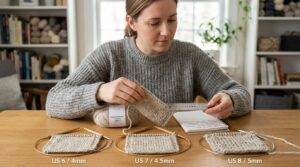
When starting a new project, always make a gauge swatch. This is particularly important with yarns that have less elasticity or different drape characteristics, ensuring your finished item will be the correct size and shape. You can find tips on All You Need to Know About Crochet Hooks in One Place to help you get started.
Caring for Your Summer Crochet Projects
Proper care ensures your beautiful summer crochet creations last for many seasons. Each fiber has specific care requirements, so always refer to the yarn label first. However, here are some general guidelines for common summer yarns:
- Cotton: Most cotton items can be machine washed on a gentle cycle with cold water and tumble dried on low or laid flat to dry. Avoid high heat, which can cause shrinkage.
- Linen & Hemp: These fibers are very durable and can usually be machine washed on a gentle cycle. They often benefit from air drying or a very low tumble dry setting to prevent excessive wrinkling. They soften beautifully with washing.
- Bamboo & Tencel: Due to their delicate nature and drape, hand washing in cool water and laying flat to dry is often recommended to maintain their shape and sheen. Avoid harsh squeezing or twisting.
- Blends: Always follow the care instructions for the most delicate fiber in the blend. For instance, a cotton-bamboo blend might require hand washing if the bamboo content is high.
Storing your summer items properly during the off-season also helps prolong their life. Keep them in a cool, dry place away from direct sunlight. This prevents damage and ensures your best yarns for summer crochet projects remain vibrant for years to come.
Where to Find the Best Yarns for Summer Crochet
Finding the right yarn is part of the fun! Here are some places where you can source excellent summer fibers:
- Local Yarn Stores (LYS): Your local yarn shop is an invaluable resource. Staff can offer personalized recommendations, allow you to feel the yarns, and provide expert advice on the best yarns for summer crochet.
- Online Retailers: Websites like Yarn.com or LoveCrafts offer vast selections from various brands, often with customer reviews that can guide your choice.
- Craft Stores: Larger craft chains often carry a good selection of cotton and cotton blend yarns, especially during spring and summer months.
- Indie Dyers: For unique colors and artisan blends, explore indie dyers online or at fiber festivals. They often experiment with natural fibers.
Before purchasing, consider buying a single skein to make a swatch and test how the yarn behaves with your chosen hook and stitch pattern. This small investment can save you from frustration later on. Moreover, it helps you confirm if it truly is one of the best yarns for summer crochet for your specific project.
Conclusion
Embracing summer crochet means adapting your yarn choices to the warmer climate. By opting for breathable, lightweight, and comfortable fibers like cotton, linen, hemp, bamboo, and Tencel, you can continue to enjoy your craft all season long. Whether you’re making a breezy top, a sturdy market bag, or delicate home decor, the right yarn will enhance both your crafting experience and the beauty of your finished project. We hope this guide helps you discover your favorite best yarns for summer crochet and inspires countless warm-weather creations. Happy hooking!
FAQ
What are the most breathable fibers for warm weather crocheting?
The most breathable fibers for warm weather crocheting are natural plant-based options like cotton, linen, and hemp. Regenerated cellulosic fibers such as bamboo and Tencel also offer excellent breathability and a cooling sensation.
Can I use wool for summer crochet projects?
While some superwash merino wools can be lighter, traditional wool is generally not recommended for summer crochet projects due to its insulating properties. It tends to trap heat, making both crafting and wearing uncomfortable in warm temperatures. Stick to fibers designed for warmth.
What yarn is best for a summer market bag?
For a summer market bag, sturdy and durable options like cotton, hemp, or a cotton-linen blend are ideal. These fibers are strong enough to hold groceries, offer good stitch definition, and can withstand frequent washing.
How do I care for my bamboo crochet items?
Bamboo crochet items are best cared for by hand washing in cool water with a mild detergent. Lay them flat to dry, reshaping gently. Avoid machine washing and drying, as this can stretch or damage the delicate fibers and alter the drape.
Are there any synthetic yarns suitable for summer?
While most synthetics like acrylic tend to be less breathable, some blends incorporating natural fibers (e.g., cotton-acrylic) can be suitable. Additionally, certain specialized performance synthetics designed for moisture-wicking in activewear might exist, but they are less common in traditional craft yarns. Focus on natural fibers for optimal summer comfort.