Embarking on a new knitting or crochet project is an exciting prospect, full of creative potential and the promise of a beautiful finished piece. But before you cast on or hook up, one of the most crucial steps is to choose knitting crochet patterns that truly resonate with your crafting journey and bring your creative visions to life. With an endless library of designs available, from simple scarves to intricate garments, finding the perfect pattern can sometimes feel overwhelming. This guide will help you navigate the options, ensuring your next project is not only enjoyable but also perfectly suited to your skills, time, and desires.
Understanding Your Skill Level: A Foundation for Success
The first step in selecting knitting crochet patterns is an honest assessment of your current skill level. Are you a complete beginner, comfortable with basic stitches like knit, purl, single crochet, and double crochet? Or are you an intermediate crafter, ready to tackle cables, lace, colorwork, or more complex shaping? Perhaps you’re an advanced artisan, eager for intricate techniques and challenging construction.
- Beginner Patterns: Look for patterns labeled ‘beginner’ or ‘easy’. These often feature repetitive stitches, simple shapes (like rectangles for blankets or scarves), and clear, concise instructions. They are excellent for building confidence and mastering fundamentals. For more on basic stitches, consider exploring Knitting Stitches for Beginners or A Quick Guide to Crochet Stitches and Techniques.
- Intermediate Patterns: These patterns might introduce new stitches, shaping techniques, or basic color changes. Think hats with simple cables, sweaters with minimal seaming, or small amigurumi figures.
- Advanced Patterns: Expect complex stitch patterns, intricate shaping, multiple colors, or advanced construction methods. Lace shawls, fitted garments, and detailed amigurumi often fall into this category.
Choosing a pattern slightly above your current comfort zone can be a rewarding way to expand your abilities. However, avoid jumping into something far too difficult, which can lead to frustration. Many patterns clearly state the required skill level, so pay close attention to these labels. Therefore, selecting an appropriate challenge is key to a satisfying experience.
Matching Patterns to Project Type and Purpose
What kind of item do you want to create? The purpose of your finished piece will significantly influence your choice of pattern. Are you making a cozy garment for yourself, a thoughtful gift, or a decorative item for your home?
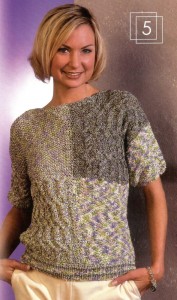
- Wearables (Sweaters, Cardigans, Shawls): Consider fit, drape, and the required yarn. Patterns for wearables often involve more shaping and sizing considerations. A seamless top-down sweater pattern might be perfect if you dislike seaming, while a modular cardigan offers a different construction challenge.
- Accessories (Hats, Scarves, Mittens): These are often quicker projects, great for trying out new stitches or techniques without a huge commitment. They also make excellent gifts.
- Home Decor (Blankets, Pillows, Coasters): These items allow for more experimental stitches and textures. Furthermore, they can be a wonderful way to add a handmade touch to your living space.
- Toys (Amigurumi): These projects often involve intricate shaping and joining small pieces. They are incredibly popular for gifts and can be quite charming.
Ultimately, knowing the end goal helps streamline your pattern search. For example, if you need a quick gift, a complex lace shawl might not be the best option. Instead, a simple hat or scarf could be ideal.
Considering Yarn Weight and Fiber Type
The yarn you choose plays a significant role in the final look and feel of your project. Consequently, patterns are typically designed for specific yarn weights and fiber types. Ignoring these recommendations can lead to a finished item that doesn’t match the pattern’s gauge or appearance.
- Yarn Weight: From lace weight to super bulky, yarn weight dictates the size of your stitches and the overall density of the fabric. Bulky yarns work up quickly, making them suitable for fast projects like chunky blankets or scarves. Fine yarns, however, are perfect for delicate lace or intricate garments.
- Fiber Type: Wool offers warmth and elasticity, while cotton is breathable and durable. Acrylic is often affordable and easy to care for, making it a good choice for beginner projects or items that need frequent washing. Silk and alpaca provide luxurious drape and softness. Always check the pattern’s suggested yarn and consider how different fibers will impact your finished item. For example, a crisp cotton will behave very differently from a soft merino wool.
Many patterns provide guidance on gauge, which is the number of stitches and rows per inch. Matching the gauge is crucial for ensuring your project turns out the correct size. Therefore, always make a swatch before starting your main project, especially for garments.
Reading and Understanding Pattern Language
Knitting and crochet patterns use a specific language of abbreviations and symbols. Familiarizing yourself with these conventions is essential for successfully following instructions. Otherwise, you might find yourself confused by terms like