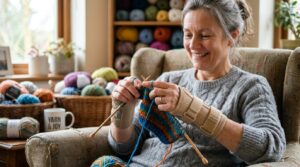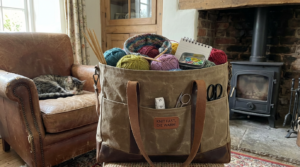
In a world that often feels fast-paced and demanding, finding moments of peace is crucial. For many, the rhythmic motion of knitting and crochet offers a powerful antidote to stress and anxiety. But did you know that embracing sustainable knitting and crochet practices can amplify these mental wellness benefits? At Knit n Style, we believe that crafting with intention—choosing eco-friendly materials and mindful processes—deepens the therapeutic impact of every stitch.
The Proven Power of Crafting for Mental Health
The therapeutic benefits of crafting are widely recognized. Over 70% of crafters report that their hobby helps them relax and provides a creative outlet. The repetitive movements are often likened to meditation, stimulating dopamine production and improving mood and self-esteem. Studies even show that 81% of respondents with depression felt happier after knitting. Crafting provides a tangible sense of accomplishment, a break from digital screens, and a connection to a creative community. Moreover, engaging in these tactile hobbies can reduce cortisol levels, the body’s primary stress hormone, leading to a calmer state of mind. Consequently, many find a sense of purpose and focus that is often missing in daily life.
Furthermore, the act of creating something with your hands offers a unique form of self-expression. This can be particularly beneficial for those who struggle to articulate their feelings verbally. The tangible outcome of a handmade scarf or blanket serves as a constant reminder of one’s capabilities and perseverance. In addition, joining knitting or crochet groups fosters social connection, which is another vital component of good mental health. These communities provide support, shared learning, and a sense of belonging, enriching the crafting experience even further.
How Eco-Conscious Crafting Enhances Your Well-being
Integrating sustainability into your crafting journey adds another layer of mental and emotional benefits. By making thoughtful decisions about your materials and processes, you not only contribute positively to the planet but also deepen your personal connection to your craft. This intentional approach transforms a hobby into a holistic practice that nurtures both you and the environment.
1. Reducing Eco-Anxiety with Conscious Choices
Many individuals feel a sense of anxiety or helplessness regarding environmental issues. By actively choosing eco-conscious yarns like organic cotton, recycled fibers, or sustainably sourced alpaca, crafters can feel a tangible sense of purpose and contribution. Knowing your project is kind to the planet can reduce eco-anxiety and foster a sense of empowerment. For example, selecting yarns made from recycled plastic bottles directly addresses waste reduction. Consequently, this small but significant action can instill a sense of hope and agency, counteracting feelings of powerlessness.
Furthermore, researching and understanding the origins of your materials connects you more deeply to the global supply chain. This awareness can inspire further sustainable practices in other areas of your life, creating a ripple effect of positive change. Ultimately, making responsible choices in your crafting helps align your values with your actions, leading to greater peace of mind.
2. Deeper Connection to Materials and Process
When you select sustainable materials, you often engage with the story behind the yarn. Understanding how organic cotton is grown without pesticides or how recycled PET polyester diverts waste from landfills creates a deeper appreciation for your materials. This mindful connection to the origin and impact of your supplies can make the crafting process more enriching and grounding. Similarly, choosing naturally dyed fibers introduces you to traditional crafting techniques and the beauty of plant-based colors.
This deeper engagement encourages a more thoughtful approach to your projects. You might find yourself savoring each stitch, knowing the effort and care that went into producing the yarn. This heightened awareness transforms the act of making into a more meditative and meaningful experience. In fact, this connection can help you slow down and be more present, a key aspect of mindfulness. When you choose materials thoughtfully, you also tend to care for them more, leading to longer-lasting creations.
3. Fostering Mindfulness and Intentionality through Sustainable Knitting and Crochet
Embracing sustainable crafting encourages a slower, more deliberate approach. Instead of chasing fast fashion trends, crafters focus on creating timeless pieces from durable, high-quality materials. This intentionality extends beyond material choice to the very act of making—each stitch becomes a conscious choice, a meditative moment, and a step towards a cherished, long-lasting item. This focus helps quiet the mind and reduce mental clutter. Moreover, the process of planning a project with sustainable materials often involves more research and consideration, which in itself can be a mindful activity.
The deliberate nature of this kind of crafting stands in stark contrast to the instant gratification often sought in modern life. As a result, it cultivates patience and perseverance. Furthermore, when you invest time and thought into selecting eco-friendly options, the finished product carries a greater personal significance. This dedication to thoughtful creation reinforces a sense of purpose and accomplishment. The practice of sustainable knitting and crochet inherently teaches us to value quality over quantity, and longevity over fleeting trends.
4. The Joy of Creating Long-Lasting, Meaningful Items
In an era of disposable goods, creating something durable and meaningful is incredibly satisfying. Sustainable yarns are often chosen for their longevity and quality, ensuring your handmade items will be treasured for years. This sense of creating lasting value contributes significantly to self-esteem and fulfillment. The increasing interest in mending and repairing handmade items further extends their lifespan, reducing waste and fostering a deeper connection to our possessions.
When you craft with the intention of creating something that will endure, you are not just making an object; you are creating a legacy. This can be particularly true for gifts, where a handmade item from sustainable materials carries an even greater emotional weight. For example, a blanket knitted with organic wool can become a family heirloom, passed down through generations. This longevity provides a profound sense of pride and a tangible connection to the past, present, and future.
Exploring Eco-Friendly Yarn Options for Your Projects
Choosing the right materials is fundamental to practicing sustainable knitting and crochet. Fortunately, the market for eco-friendly yarns has expanded significantly, offering a wide array of choices for every type of project. Understanding these options empowers you to make informed decisions that benefit both your craft and the planet.
Natural Fibers with Sustainable Practices
- Organic Cotton: Grown without harmful pesticides or synthetic fertilizers, organic cotton is soft, breathable, and excellent for sensitive skin. It requires less water than conventional cotton and supports healthier ecosystems.
- Hemp: A remarkably strong and durable fiber, hemp grows quickly with minimal water and no pesticides. It softens with use and is naturally antimicrobial.
- Linen (Flax): Made from the flax plant, linen is another highly sustainable fiber. It’s strong, absorbent, and becomes softer and more lustrous over time. Flax cultivation requires little water and few chemicals.
- Bamboo: While processing can be chemical-intensive for some bamboo fibers, mechanically processed bamboo (bamboo linen) is a very sustainable option. It’s incredibly soft and drapes beautifully.
Recycled and Upcycled Yarns
- Recycled Cotton: Made from pre-consumer (factory scraps) and post-consumer (used garments) textile waste, recycled cotton reduces landfill burden and conserves resources.
- Recycled PET Polyester: This innovative yarn is made from recycled plastic bottles, diverting waste from oceans and landfills. It’s durable, colorfast, and surprisingly soft.
- Upcycled Sari Silk: Crafted from discarded silk saris, this vibrant yarn offers unique textures and colors, giving new life to beautiful fabrics.
Animal Fibers with Ethical Sourcing
- Sustainably Sourced Wool: Look for certifications like RWS (Responsible Wool Standard) which ensure animal welfare and land management practices. Merino, Shetland, and Corriedale wools can be excellent choices.
- Alpaca: Alpacas have a lighter environmental footprint than sheep, and their fleece is incredibly soft, warm, and hypoallergenic. Seek out yarns from farms committed to ethical animal husbandry.
- Peace Silk (Ahimsa Silk): This silk is harvested after the silkworms have emerged from their cocoons naturally, ensuring no harm to the insects.
When selecting your yarn, always check labels and research brands to ensure their sustainability claims are genuine. This mindful approach to sourcing is a core tenet of sustainable knitting and crochet.
Building a Mindful Crafting Practice
Beyond material choices, developing a mindful crafting practice involves several elements that enhance mental wellness. This holistic approach integrates conscious decision-making into every stage of your project, from conception to completion.
Embracing Slow Crafting
Slow crafting is a philosophy that prioritizes quality, intention, and the process itself over speed and quantity. It encourages you to savor each stitch, appreciate the texture of your yarn, and enjoy the journey of creation. This deliberate pace can be incredibly calming, allowing your mind to focus and quiet external distractions. For example, instead of rushing to finish a project, allow yourself to enjoy the repetitive rhythm of knitting stitches or the flow of a crochet stitch. This unhurried approach transforms crafting into a form of active meditation.
Furthermore, slow crafting often involves learning new techniques or refining existing ones. This continuous learning stimulates the brain and provides a sense of accomplishment. You might explore intricate knitting patterns or delve into the nuances of crochet patterns. This engagement with the craft at a deeper level fosters a greater appreciation for the skill involved and the beauty of handmade items. It’s about the journey, not just the destination.
Mindful Project Selection
Consider the purpose and longevity of your project. Instead of making something disposable or trendy, choose to create items that will be cherished and used for a long time. This could be a sturdy market bag, a warm blanket, or a classic garment. When you put your time and effort into creating something meaningful, the satisfaction derived is far greater. This thoughtful selection process is another way to practice sustainable knitting and crochet.
Moreover, selecting projects that align with your values can be deeply fulfilling. Perhaps you want to make gifts for loved ones, items for charity, or pieces that reflect your personal style. Whatever your motivation, ensuring your project has a lasting purpose enhances its value, both to you and to others. This intentionality in project choice strengthens your connection to the craft and its positive impact.
Caring for Your Tools and Creations
Treating your crafting tools with respect, whether they are your favorite knitting needles or a beloved crochet hook, reinforces a mindful approach. Proper care ensures their longevity, reducing the need for replacements and minimizing waste. Similarly, learning how to properly care for your finished handmade items, such as washing and storing them correctly, extends their life. This care is an extension of the sustainable mindset, valuing and preserving what you create.
Mending and repairing your handmade items instead of discarding them is also a powerful act of sustainability and mindfulness. It teaches patience, resourcefulness, and a deeper appreciation for the effort that went into making the item. This practice stands in direct opposition to a throwaway culture and reinforces the value of craftsmanship. Ultimately, this holistic approach to crafting fosters a sense of responsibility and connection that benefits mental well-being.
The Broader Impact of Sustainable Knitting and Crochet
The benefits of embracing eco-friendly crafting extend beyond individual mental wellness. When more crafters choose sustainable options, it creates a significant collective impact, influencing the industry and promoting a healthier planet.
Supporting Ethical Production
By purchasing sustainably sourced yarns, you directly support companies and farmers who prioritize ethical labor practices, fair wages, and environmentally responsible production methods. This conscious consumerism helps drive demand for better industry standards. Consequently, it encourages more businesses to adopt sustainable practices, creating a positive feedback loop. Your choices, therefore, have a tangible impact on the lives of workers and the health of communities involved in yarn production.
Reducing Environmental Footprint
Every choice of organic, recycled, or ethically produced material contributes to reducing the overall environmental footprint of the textile industry. This means less pollution from pesticides, reduced water consumption, and less waste going to landfills. For example, opting for yarns from brands like Red Heart that are increasingly offering eco-conscious lines can make a difference. This collective effort, stitch by stitch, helps protect our planet for future generations.
Inspiring Community and Education
When you share your knowledge and passion for sustainable crafting, you inspire others. This can lead to broader discussions about environmental responsibility within crafting communities, fostering a culture of conscious making. Online forums, local groups, and workshops become platforms for educating and empowering fellow crafters. This sharing of information and best practices creates a supportive network dedicated to making a positive impact. Furthermore, this community engagement itself contributes to mental wellness by fostering connection and shared purpose.
In conclusion, the act of knitting and crochet is inherently therapeutic, offering a refuge from the demands of modern life. However, by intentionally choosing sustainable knitting and crochet practices, you elevate this beloved hobby into a powerful tool for enhanced mental well-being and environmental stewardship. At Knit n Style, we encourage you to explore the rich world of eco-friendly materials and mindful techniques. Embrace the calm, connection, and profound satisfaction that comes from crafting with a purpose. Each stitch becomes a testament to your values, a contribution to a healthier planet, and a step towards a more peaceful you. Let your needles and hooks be instruments of change, one beautiful, sustainable project at a time. For more information on various crafting techniques, consider exploring resources on the therapeutic benefits of creative arts or learning about sustainable textile initiatives.
Frequently Asked Questions About Eco-Friendly Crafting
What are the main benefits of eco-conscious crafting for mental health?
Eco-conscious crafting can significantly boost mental wellness by reducing eco-anxiety, fostering a deeper connection to materials, promoting mindfulness and intentionality, and providing the joy of creating long-lasting, meaningful items. It helps align your actions with your values, leading to greater peace of mind and a sense of purpose.
How can I ensure my knitting and crochet projects are more environmentally friendly?
To make your projects more environmentally friendly, choose yarns made from organic, recycled, or ethically sourced natural fibers. Look for certifications that guarantee sustainable production and ethical labor practices. Additionally, embrace slow crafting, select durable projects, and mend or care for your finished items to extend their lifespan.
Are sustainable yarns more expensive than conventional yarns?
Sustainable yarns can sometimes have a higher upfront cost due to ethical production methods, specialized farming, and certifications. However, considering their longevity, quality, and the positive impact on the environment and mental well-being, many crafters find them to be a worthwhile investment. The focus shifts from quantity to quality and durability.
Where can I find resources for learning about sustainable crafting materials?
Many independent yarn stores, online retailers specializing in eco-friendly products, and crafting blogs dedicated to sustainability are excellent resources. Look for brands that are transparent about their supply chains and certifications. Websites like Textile Exchange also provide valuable information on sustainable textile initiatives.
Can crafting with eco-friendly materials really make a difference?
Absolutely. Every choice to use eco-friendly materials contributes to a larger movement. Collectively, these choices reduce demand for less sustainable products, encourage ethical manufacturing, and lessen environmental impact. Your individual actions, combined with those of other crafters, create a significant positive ripple effect on the industry and the planet.